

When Should You Bring Your Senior Pet to the Vet?
As our pets grow older, their needs begin to change — sometimes subtly, sometimes quickly. Just like people, senior pets require a little extra attention to stay comfortable, healthy, and happy in their golden years. But how do you know when it’s time for a vet visit? Here’s what every pet owner should know about caring for a senior dog or cat.
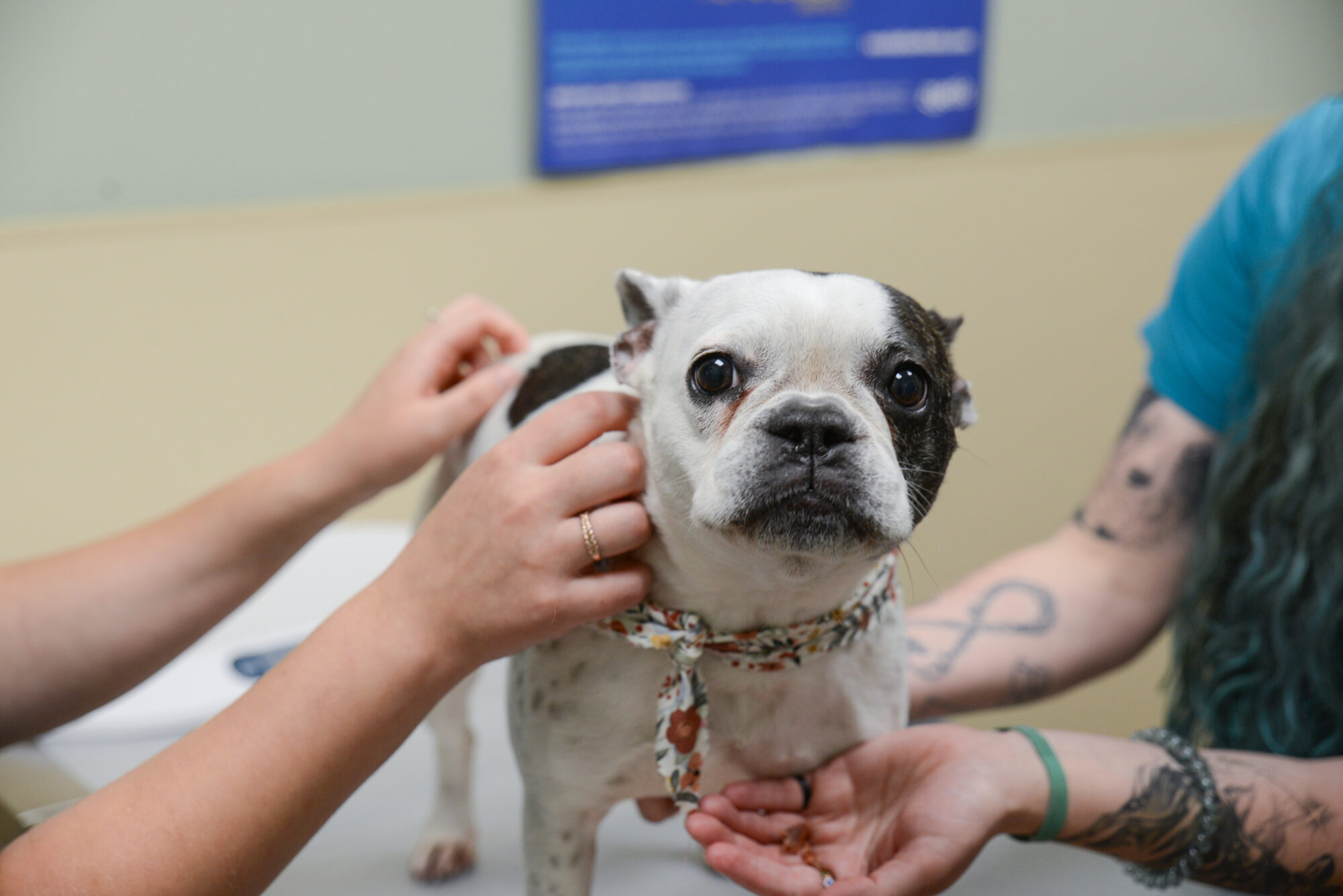
When Is a Pet Considered “Senior”?
Dogs: Around 7 years old (large breeds may be considered senior as early as 5–6).
Cats: Around 7 years old.
Even if your pet seems perfectly healthy, aging happens faster in pets than in humans. That’s why routine veterinary care becomes even more important during this stage of life.
How Often Should Senior Pets See the Vet?
For senior pets, we recommend twice-yearly physical exams. Seeing them every 6 months allows your veterinarian to detect subtle changes early — when treatment is often easier, mor effective, and less costly. These visits may include;
- Comprehensive physical exams
- Bloodwork, urinalysis
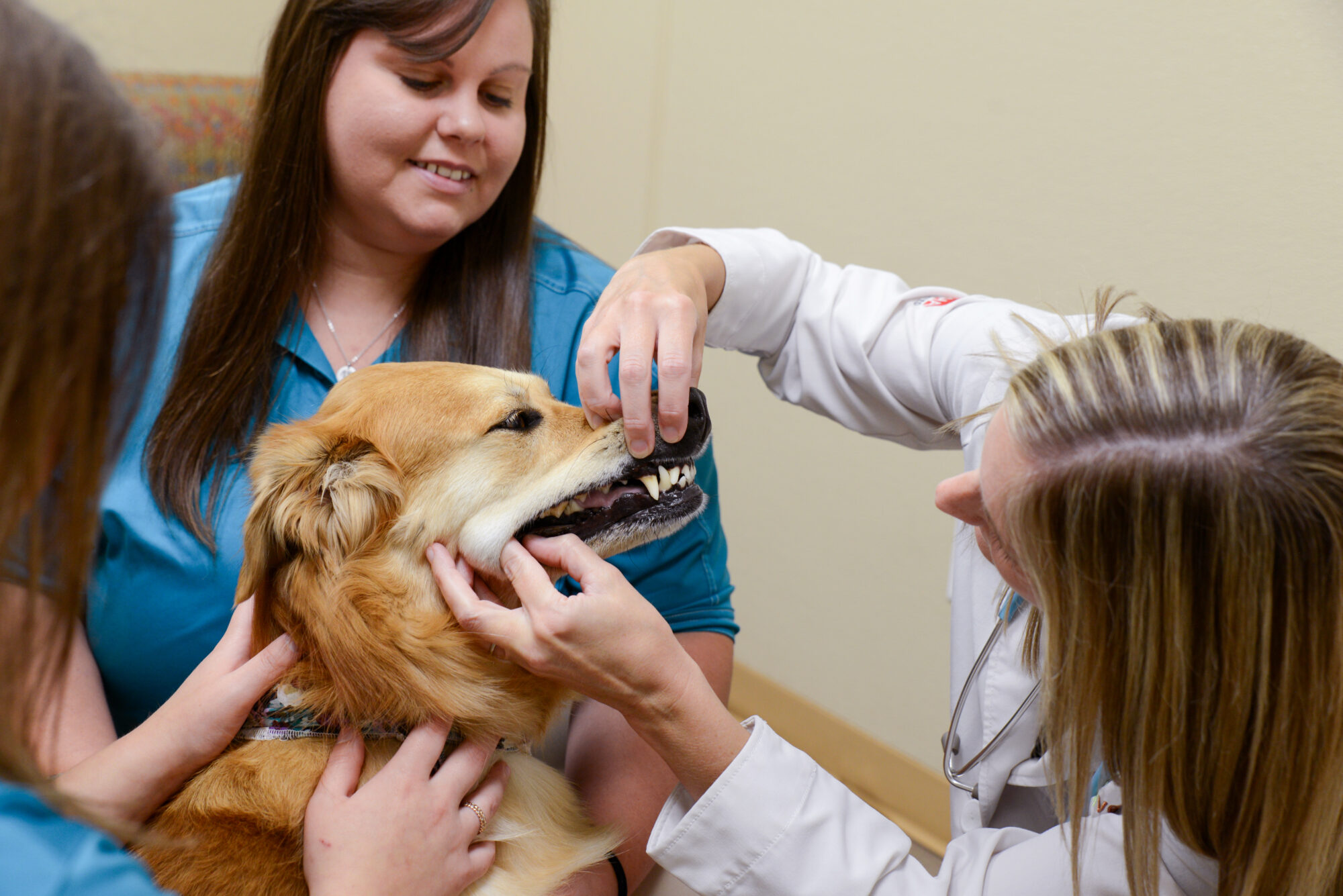
- Dental evaluation
- Weight and mobility assessments
- Discussion of behavior or lifestyle changes.
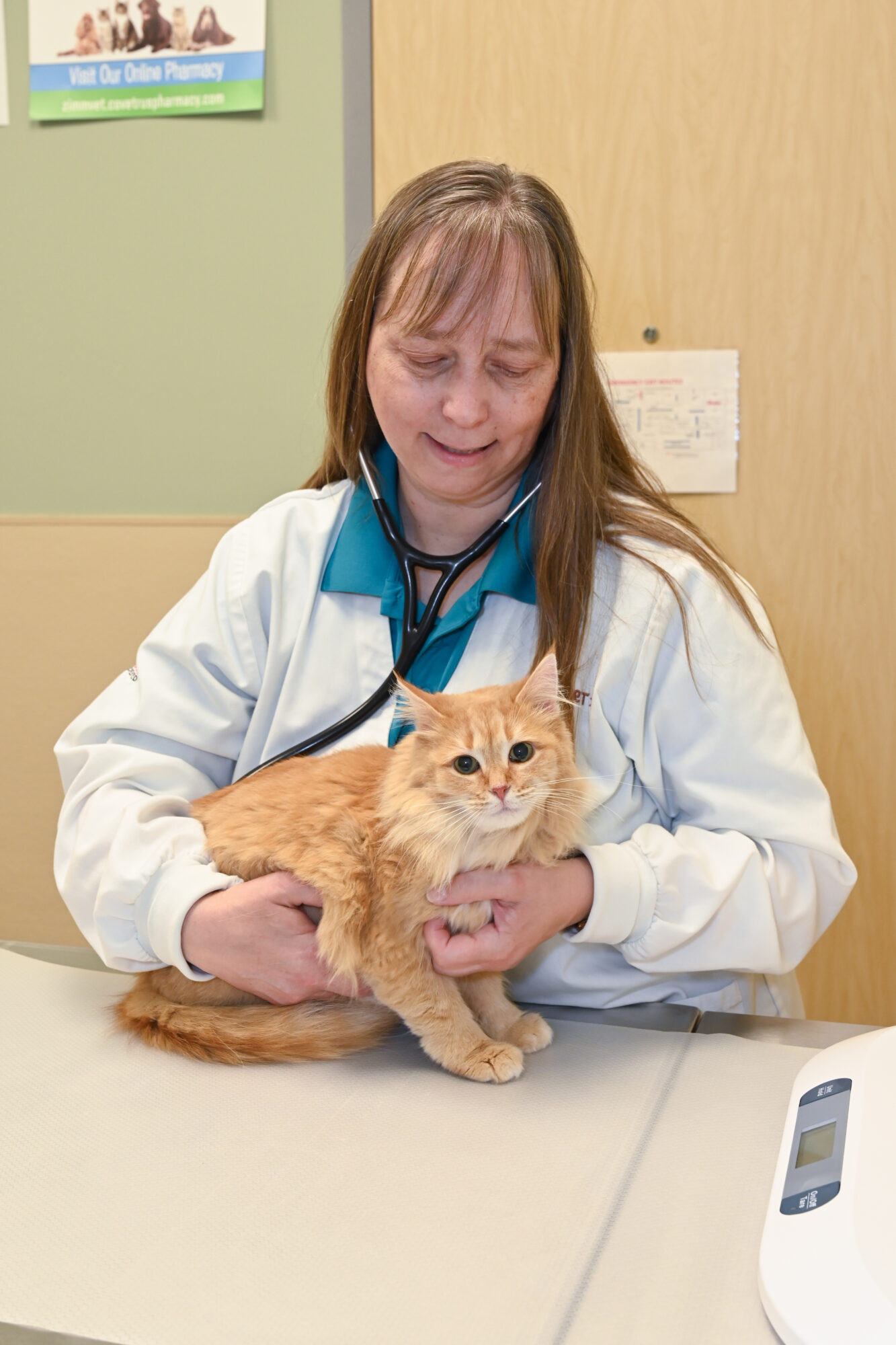
Signs Your Senior Pet Should Be Seen Sooner
- Changes in appetite or drinking
- Weight loss or gain
- Difficulty getting up, limping, or stiffness
- Behavior changes or confusion
- New lumps or bumps
- Bad breath or drooling
These changes may signal arthritis, kidney disease, diabetes, dental disease, thyroid conditions or other conditions.
Common Health Conditions in Senior Pets
Growths and masses, arthritis, kidney disease, diabetes, thyroid disease, heart disease, dental disease, and cancer are most common in senior pets. Early detection gives us more options to support your pet’s quality of life
The Goal: Quality of Life
Senior care isn’t just about adding years to your pet’s life — it’s about adding life to their years.
With regular monitoring, pain management, nutritional adjustments, and early intervention, many senior pets continue to thrive well into their golden years.
When in Doubt, Call
You know your pet best. If something feels “off,” trust your instincts. Subtle changes are often the first signs that something needs attention. At ZimmVet, we’re here to partner with you through every stage of your pet’s life — especially the senior years. If your pet is entering their golden years, now is the perfect time to schedule a physical exam and create a proactive care plan.
