

Posts in Category: Pet Dental Care
What to Expect When You Drop Your Pet Off for Surgery at ZimmVet
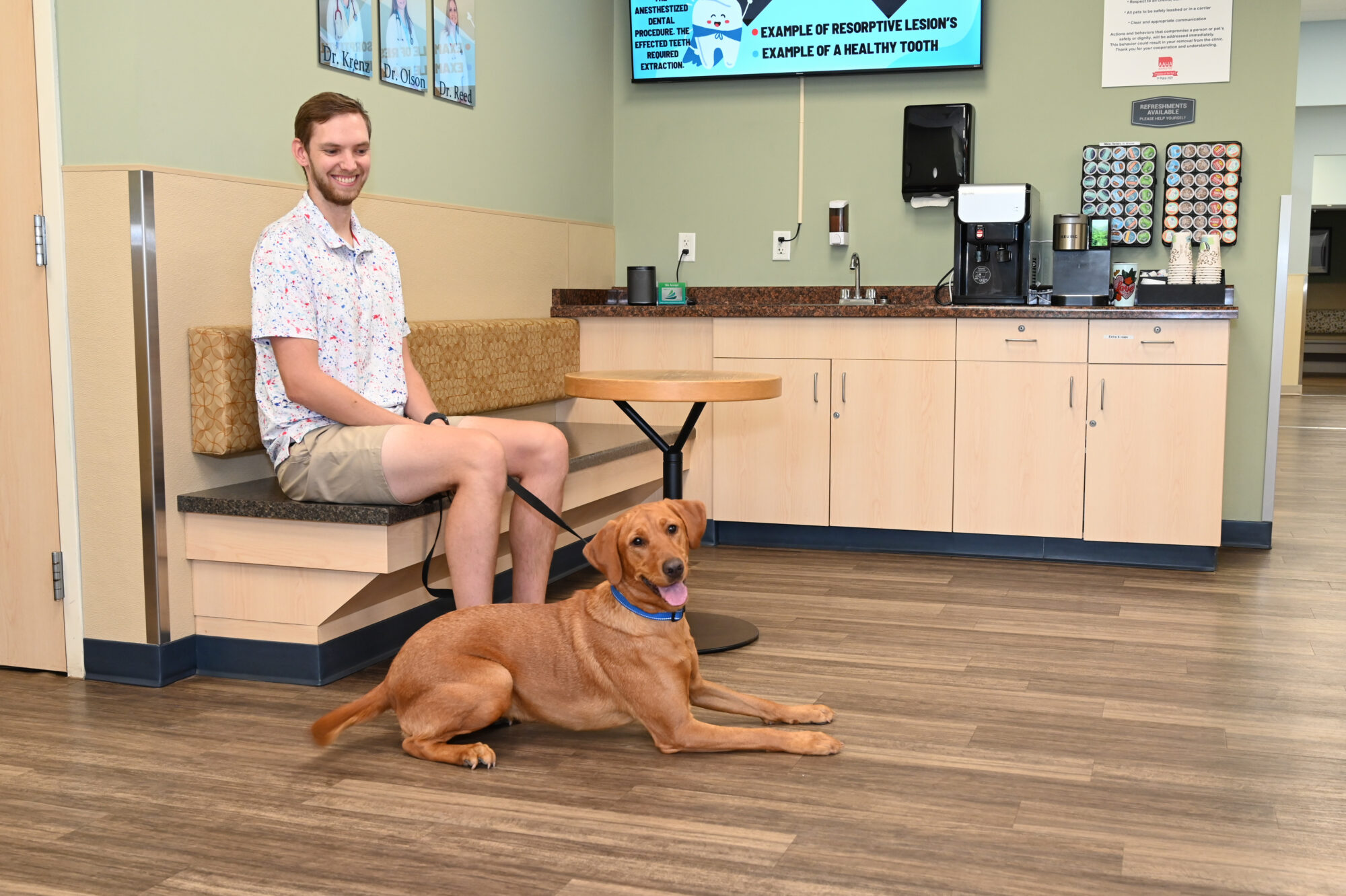
Once we complete the check-in process with you, your pet is brought into our treatment area where their surgical day begins.
Pre-Surgical Assessment
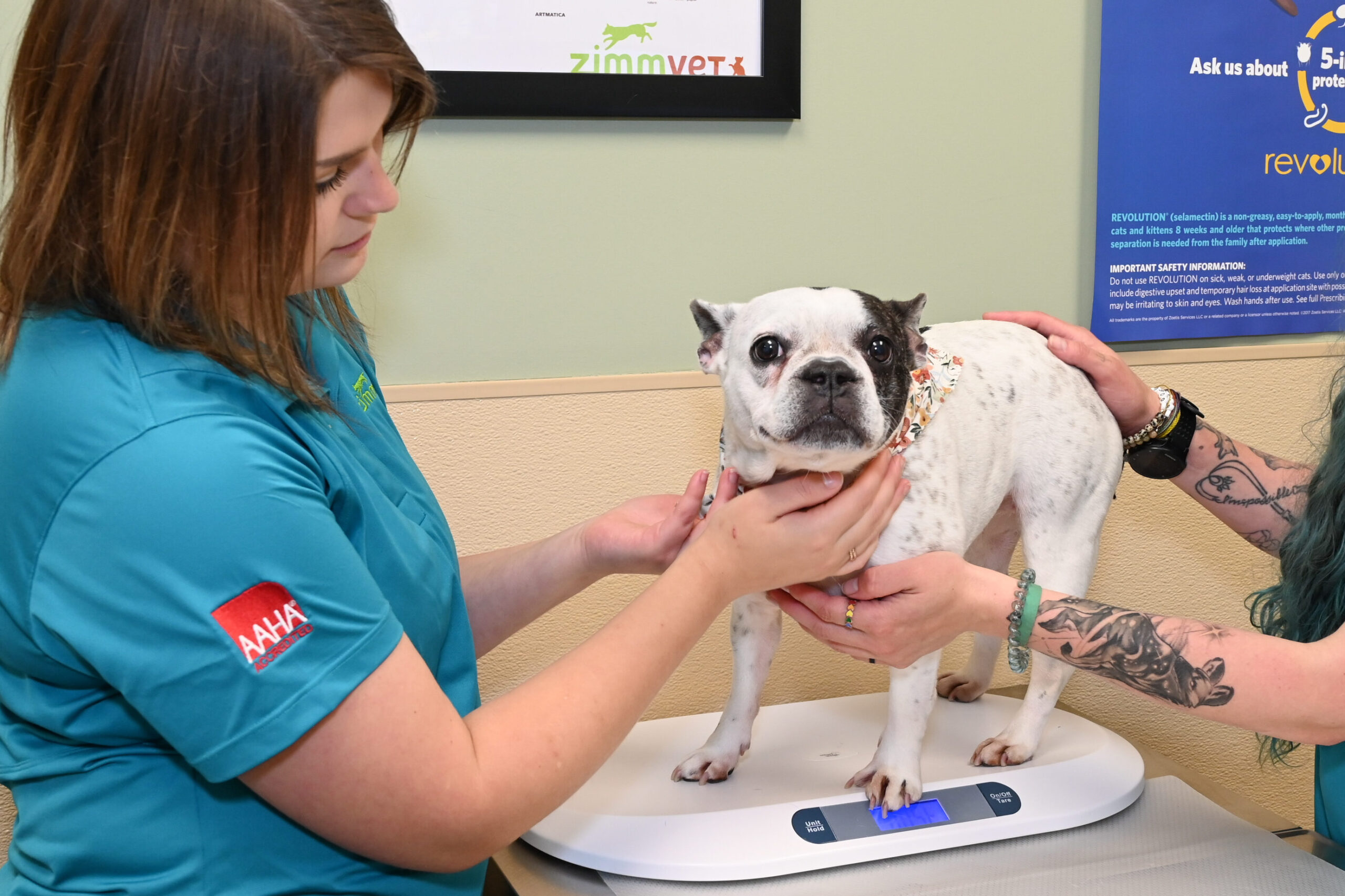
Our surgery technician starts by gathering your pet’s pre-surgical vitals, including weight, heart rate, respiratory rate, and temperature. One of our veterinarians then performs a thorough pre-surgical physical exam, which includes listening to the heart and lungs, checking lymph nodes, assessing gum color, and examining the eyes and ears. This step helps ensure your pet is healthy and ready for anesthesia.
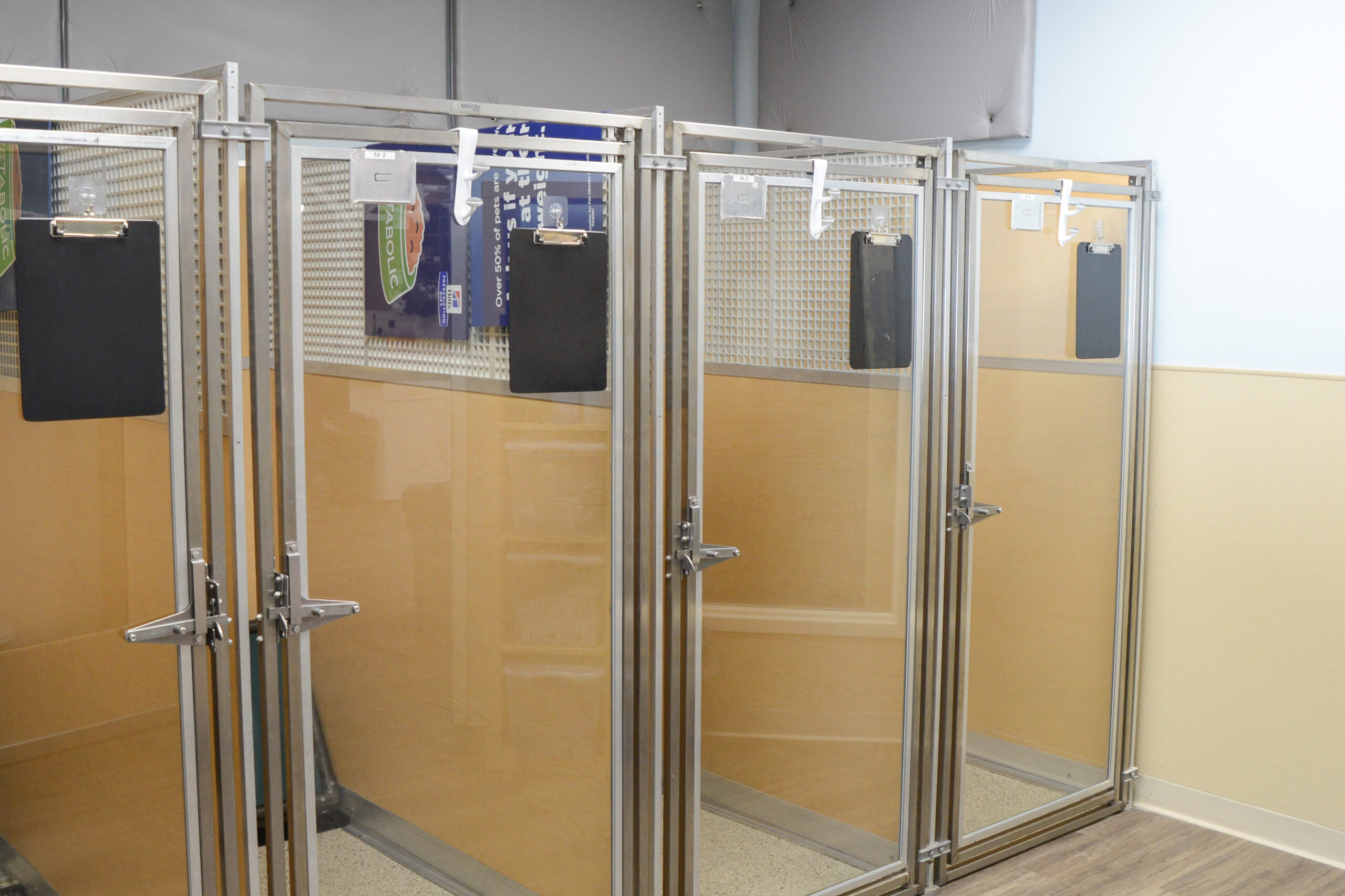
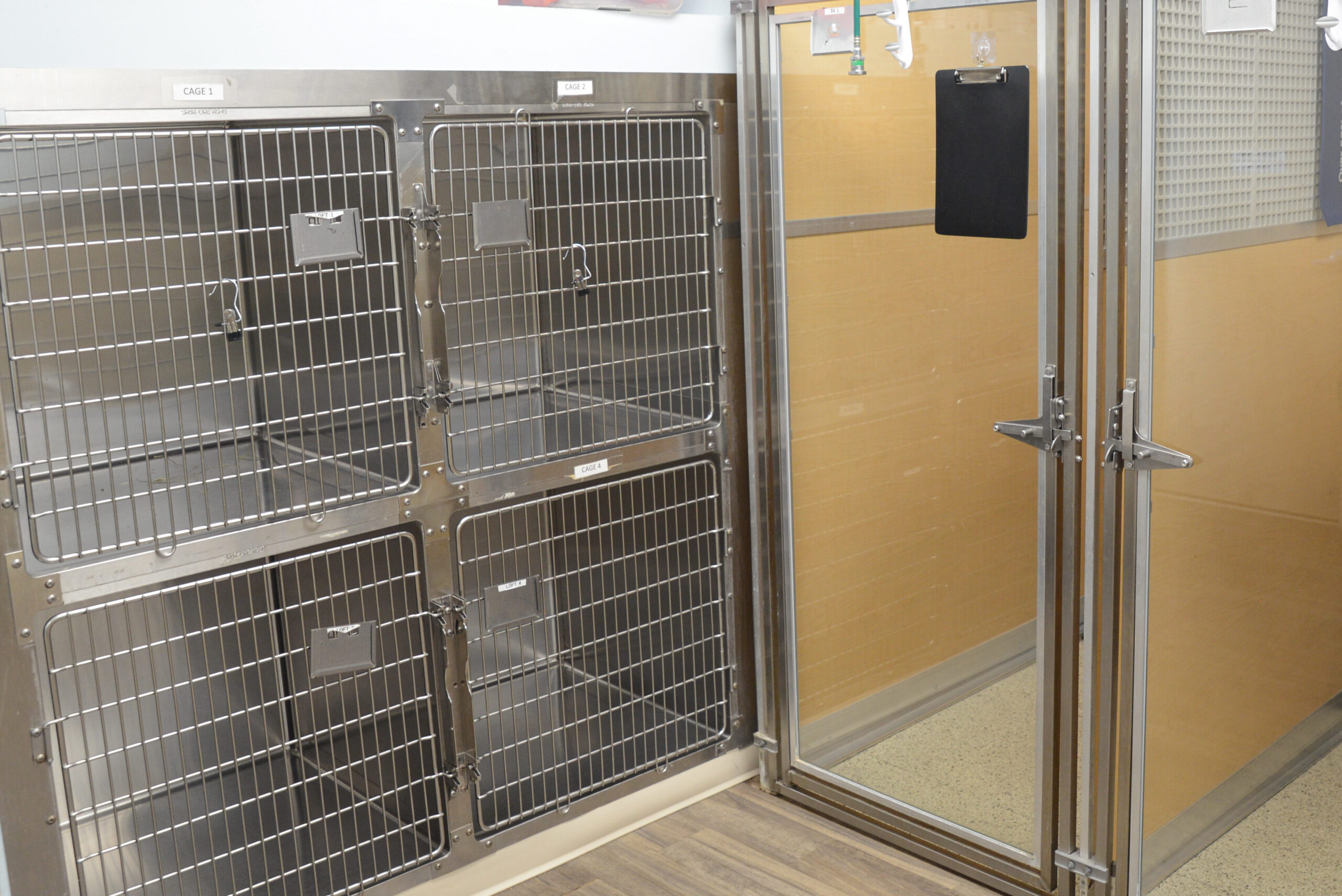
After their exam is complete, your pet is settled into a secure kennel or kennel run to relax before surgery.
Comfort & Preparation
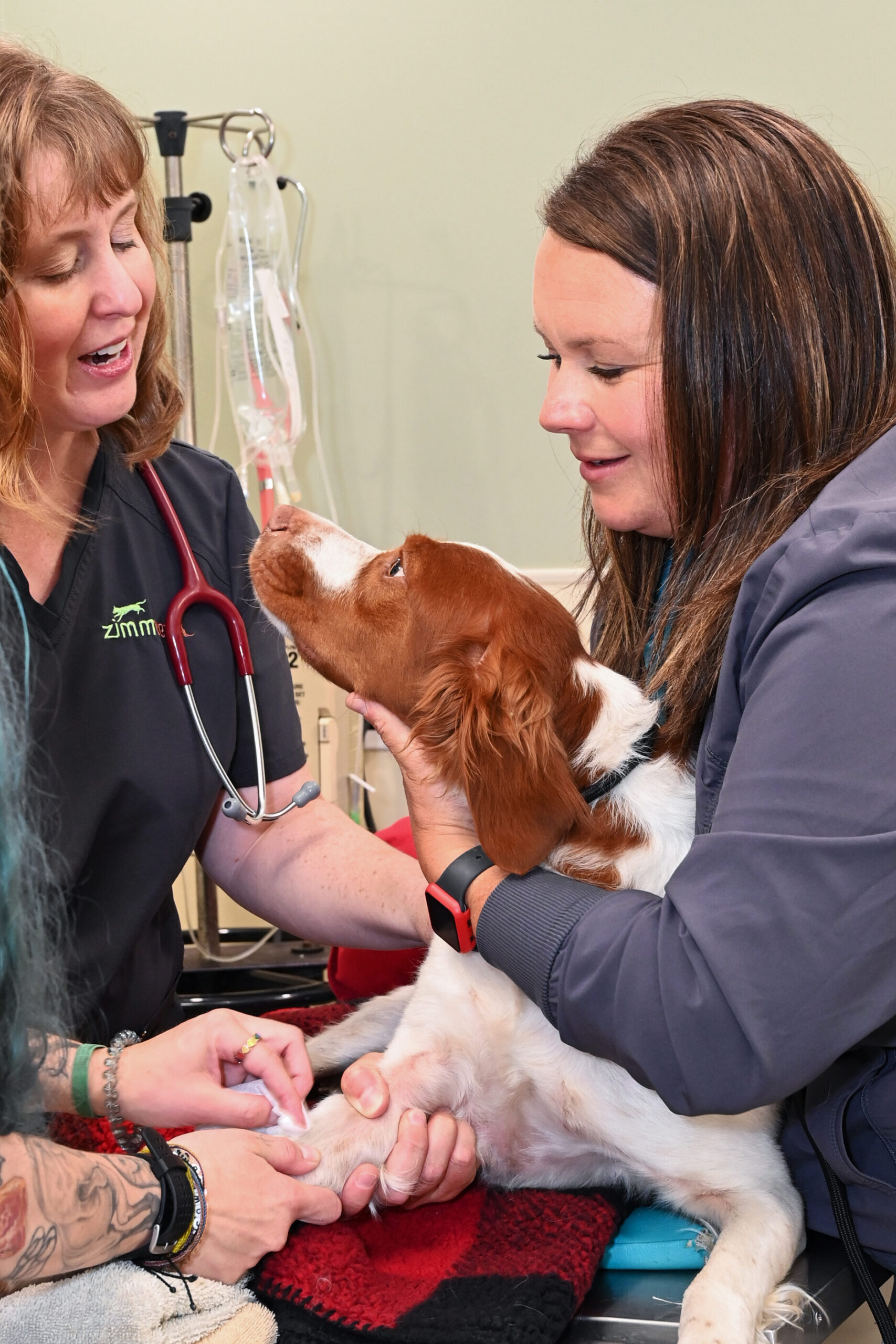
Your pet’s comfort is a top priority. Their space is outfitted with soft, cozy blankets and warming devices as needed to help maintain body temperature. When it’s time to prepare for surgery, we place an IV catheter to allow safe administration of fluids and medications. Your pet is then given IV sedation, followed by placement of an endotracheal tube to keep their airway open and provide oxygen throughout the procedure.
The surgical area is carefully shaved and thoroughly disinfected using surgical-grade scrub solutions. A localized numbing anesthetic is also applied to the incision site to support pain control.
During Surgery
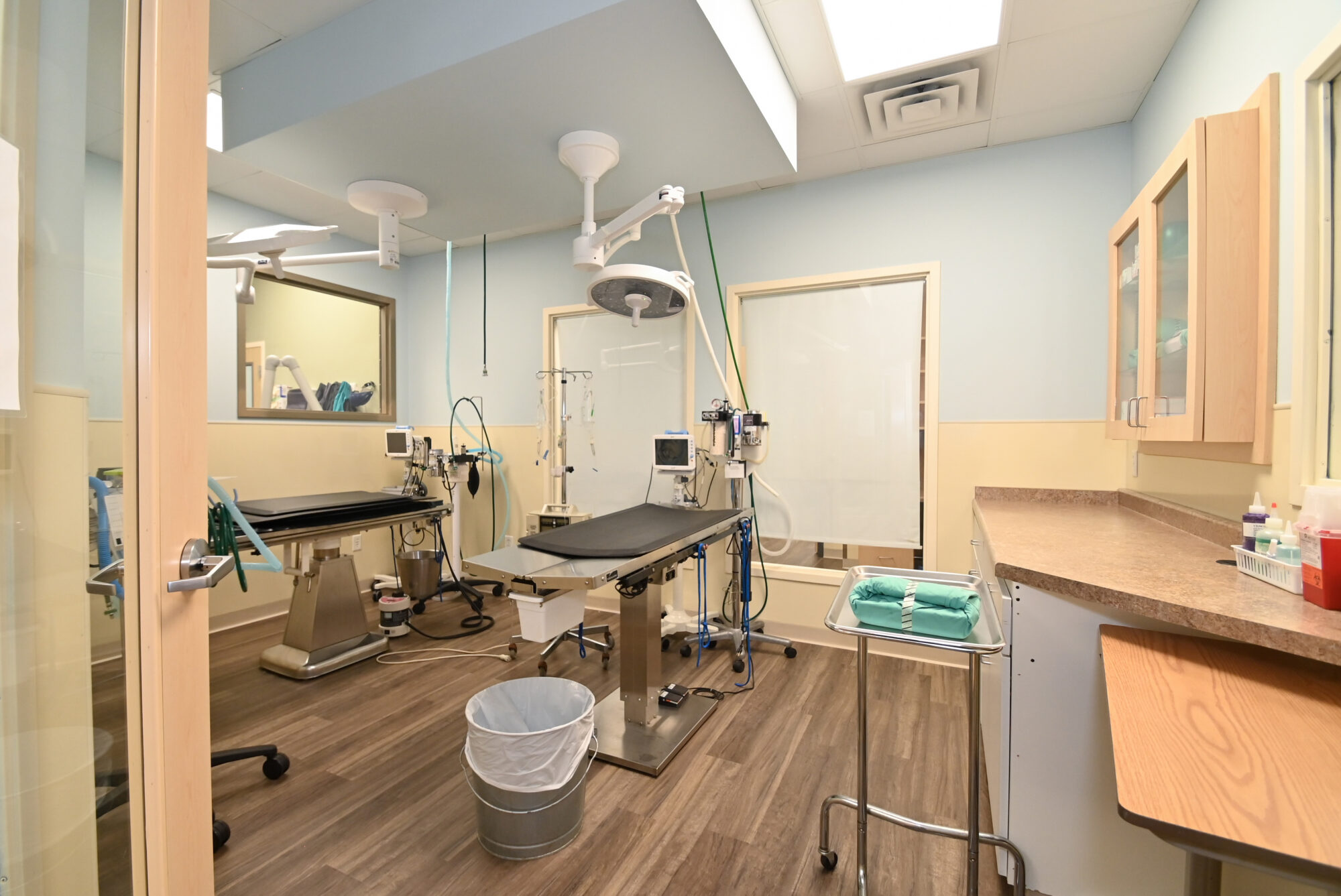
Your pet is moved into our sterile surgical suite and connected to advanced monitoring equipment. Throughout the procedure, we continuously monitor heart rate, temperature, blood pressure, oxygen saturation (SpO₂), and respiratory rate. Once final sterile preparation is complete, the veterinarian performs the surgery with patient safety and precision at the forefront.
Recovery & Monitoring
After surgery, your pet is returned to their kennel or kennel run for recovery. They are kept warm with heating devices if needed and snuggled into plenty of soft blankets while being closely monitored. Our surgery recovery suite features dimmable lighting and calming pet music to create a peaceful, low-stress environment as they wake up from anesthesia.
Heading Home
Once your pet is fully awake, we take them outside for a potty break, offer fresh water, and provide a light snack if appropriate. When they’re alert, comfortable, and acting like themselves again, they’re ready to head home.
At discharge, your pet will go home with their e-collar (if needed), post-operative pain medications, and detailed home-care instructions. Throughout their entire stay, your pet is treated like royalty — with frequent outside breaks, fresh water and food, cozy bedding, and an endless amount of love from our team.
Dental Facts: Oral Health for Life
By Katie Meneses, HR Manager

Dental health is important to maintain for humans, but it is just as important for your pets! February Pet Dental Health Month, and it’s for good reason! Dental health directly impacts our pets health and quality of life. Here are just a few dental facts about dental health in our furry companions.
Dental Fact #1 – Dental Disease Causes Chronic Pain in Pets
Dental disease can start very early in your pets life. By age three, most cats and dogs have dental disease to some degree. This illness causes significant levels of inflammation and diseased teeth, meaning your pet is experiencing significant, chronic, life-changing pain. Animals are great at hiding their pain, so you may not even notice it until your veterinarian gives you a diagnosis. Common signs of dental disease includes bad breath, yellow tartar buildup on the teeth, and red, swollen gums. Many pet owners see a “whole new pet” after a dental procedure to treat this disease.
Dental Fact #2 – Homecare is Essential
Brushing your cat or dog’s teeth daily is important to promote good oral health and prevent expensive surgeries later on. There are plenty of tasty pet toothpaste flavors to make it easier to brush your pets teeth too, including flavors like beef, chicken, fish, and even peanut butter! You can also use pet foods specially designed to be dental diets, helping to preserve oral health.
Dental Fact # 3 – X-rays Help with Diagnosis
Sometimes, your pets dental concerns aren’t visible just by examining their teeth. That is why your veterinarian will recommend X-rays. X-rays allow us to see below the gumline of the teeth, all the way to the root of the teeth. This allows us to see exactly what is causing a problem for your pet, and could even help identify problems that weren’t visible by the naked eye alone.
Dental Fact #4 – Dental Illness Can Lead to Other Health Problems
Dental health is important, not just for your pets oral health, but for their entire body. Bacteria from dental disease can get into the bloodstream, affecting organs like the heart, liver, and kidneys. This bacteria is commonly associated with heart disease in dogs. It can also cause infections in the liver and kidneys, leading to fever, weight loss, and decreased appetite, making your pack sicker still.
Overall, ZimmVet knows how important dental health is to your pet’s overall health. That is why we offers the Oral Health for Life Program, which offers a 10% discount on dental cleanings within 18-months of your last dental cleaning with us. Talk to our staff to learn more, or go here to read up about dental health on our website.
For more dental facts, you can also visit the American Animal Hospital Association fact-page!
Disclaimer: This written content is meant to be educational and is not medical advice. Always consult a veterinarian about medical advice for your pet.
