

Posts in Category: Senior Pet Care
When Should You Bring Your Senior Pet to the Vet?
As our pets grow older, their needs begin to change — sometimes subtly, sometimes quickly. Just like people, senior pets require a little extra attention to stay comfortable, healthy, and happy in their golden years. But how do you know when it’s time for a vet visit? Here’s what every pet owner should know about caring for a senior dog or cat.
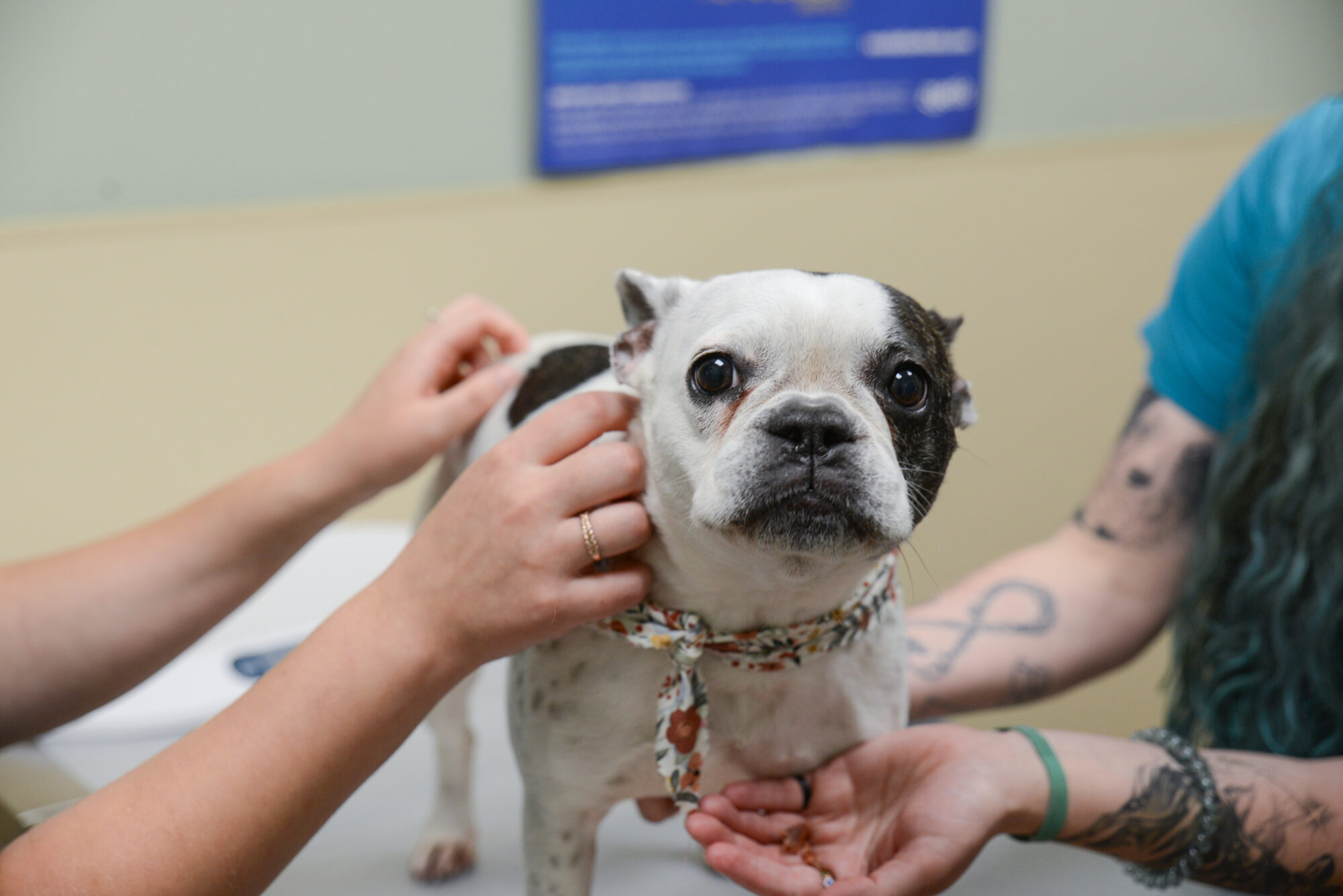
When Is a Pet Considered “Senior”?
Dogs: Around 7 years old (large breeds may be considered senior as early as 5–6).
Cats: Around 7 years old.
Even if your pet seems perfectly healthy, aging happens faster in pets than in humans. That’s why routine veterinary care becomes even more important during this stage of life.
How Often Should Senior Pets See the Vet?
For senior pets, we recommend twice-yearly physical exams. Seeing them every 6 months allows your veterinarian to detect subtle changes early — when treatment is often easier, mor effective, and less costly. These visits may include;
- Comprehensive physical exams
- Bloodwork, urinalysis
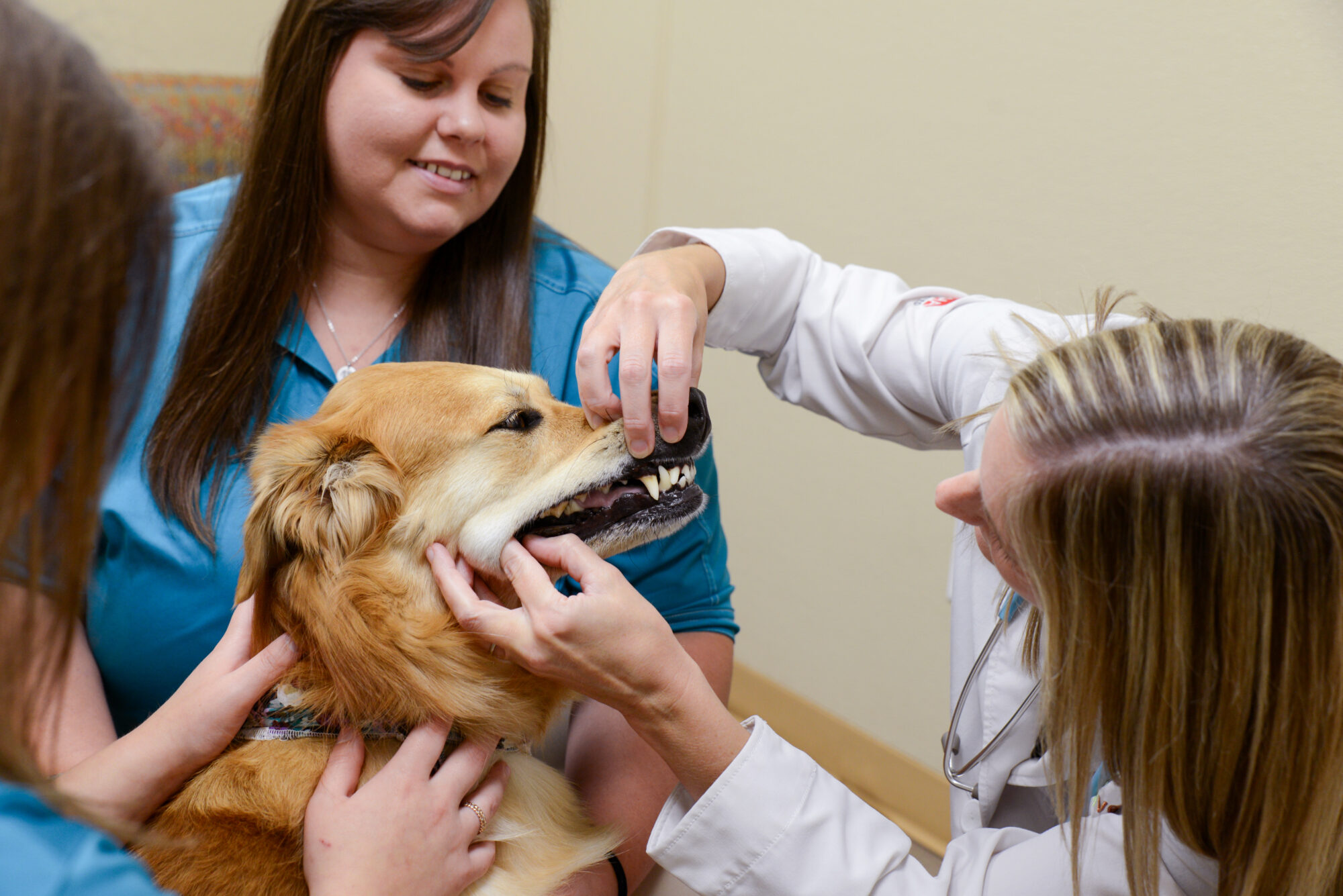
- Dental evaluation
- Weight and mobility assessments
- Discussion of behavior or lifestyle changes.
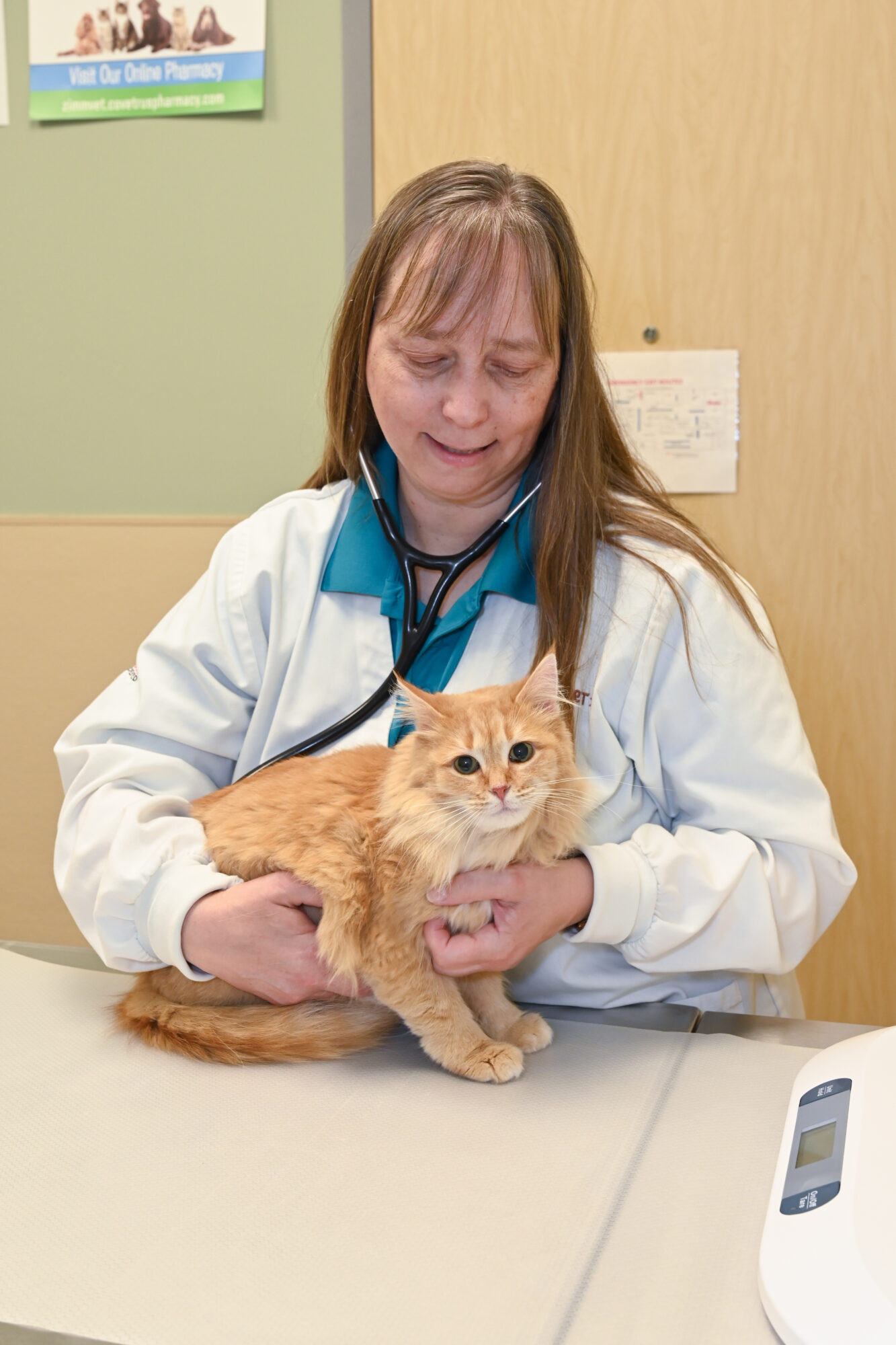
Signs Your Senior Pet Should Be Seen Sooner
- Changes in appetite or drinking
- Weight loss or gain
- Difficulty getting up, limping, or stiffness
- Behavior changes or confusion
- New lumps or bumps
- Bad breath or drooling
These changes may signal arthritis, kidney disease, diabetes, dental disease, thyroid conditions or other conditions.
Common Health Conditions in Senior Pets
Growths and masses, arthritis, kidney disease, diabetes, thyroid disease, heart disease, dental disease, and cancer are most common in senior pets. Early detection gives us more options to support your pet’s quality of life
The Goal: Quality of Life
Senior care isn’t just about adding years to your pet’s life — it’s about adding life to their years.
With regular monitoring, pain management, nutritional adjustments, and early intervention, many senior pets continue to thrive well into their golden years.
When in Doubt, Call
You know your pet best. If something feels “off,” trust your instincts. Subtle changes are often the first signs that something needs attention. At ZimmVet, we’re here to partner with you through every stage of your pet’s life — especially the senior years. If your pet is entering their golden years, now is the perfect time to schedule a physical exam and create a proactive care plan.
Pet Arthritis is Common and Treatable

By Dr. Maria Krenz, DVM – ZimmVet-763-856-4848
Pet arthritis can affect any age, sex, or breed of dog and cat. Research shows that arthritis is diagnosed in 25 percent of dogs in their lifetime, and x-ray evidence shows arthritis in 60 percent of dogs. In one study, 90 percent of cats over 12 years of age had x-ray signs of osteoarthritis. As your pet ages, wear and tear on their joins can lead to primary arthritis. Secondary arthritis is the result of an injury that once damaged the joint cartilage. Some pets can be born with poor joint that don’t line up properly, making them more likely to develop arthritis, such as elbow dysplasia, hip dysplasia, osteochondrosis, and more.
Diagnosis of Pet Arthritis
Veterinarians make a diagnosis of arthritis based on what they find during a physical exam, as well as tests like x-rays, and symptoms at home.
Exam Findings in Dogs
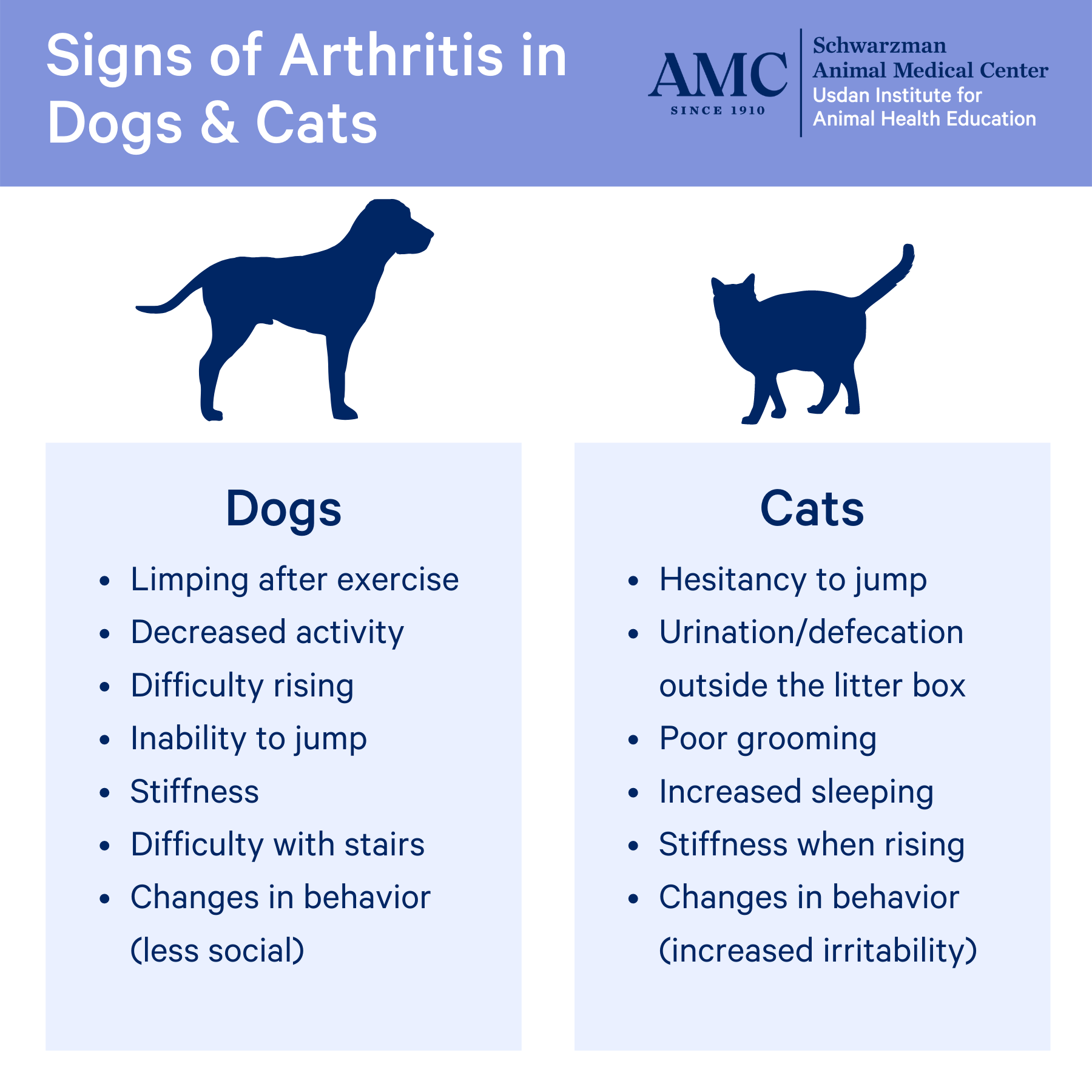
Limping is the most common sign in dogs. It may happen occasionally, progressively (gets worse over time), or be ongoing. Stiffness is common sign after periods of rest. Stiffness and lameness may decrease when the dog warms up a bit with some activity. A dogs limping may become worse after it has played or gone on a walk.
Exam Findings in Cats
As opposed to the limping seen in dogs, many cats become less active, begin to hide, or develop behavioral changes. They may become more irritable, have decreased grooming, or difficulty getting into position in the litterbox. A veterinarian may move the cats join, but it is possible that there will not be any outward signs of pain.
Treatment of Pet Arthritis
The goals with pet arthritis management are to decrease your pet’s discomfort and to slow down further changes to the joint. Multiple types of treatment are usually necessary to manage pain, stiffness, and discomfort. It is best to work together with your veterinarian to find what treatments would be best for your pet. Pets will need additional medications over time as the arthritis progresses. Many of the common treatments include weight loss in overweight pets, glucosamine and omega fatty acid supplements, laser therapy, alternative therapies such as chiropractic, and oral pain medications.
In cats there are less options for treatment due to organ sensitivity to drugs long term. Solensia is a new product on the market for cats. This medicine helps to stop the pain and progression of arthritis in cats with a monthly injection. Solensia has been used in Europe, and was recently released for use in the US.
Surgical Treatment
Some Joint conditions need surgery to treat them. Examples are cranial cruciate ligament rupture, elbow dysplasia, osteochondritis dissecans, joint incongruity, intra-articular fractures, and joint instability. If your pet has severe hip dysplasia, your veterinarian may suggest a total hip replacement or femoral head/neck ostectomy.
For information on how age and pet obesity play a roll in arthritis, check out some of our other blog posts, Living with a Senior Pet and Pet Obesity.
Disclaimer: This written content is meant to be educational and is not medical advice. Always consult a veterinarian about medical advice for your pet.
