
Winter Pet Safety: Keeping Your Pets Happy, Healthy, and Warm! ❄️🐾
Winter in Minnesota can be beautiful, but the freezing temperatures, snow, and ice can bring some unexpected dangers for our furry friends! While some pets can’t wait to jump into a fresh pile of snow, others would much rather stay curled up somewhere warm.
At ZimmVet, we want to help you keep your pets safe, comfortable, and healthy all winter long. Here are some important winter safety tips every pet owner should know!
🐾 1. Protect Those Paws!
Snow, ice, and freezing temperatures can be tough on your pet’s paws. Sidewalk salt and chemical deicers can also cause irritation, dryness, and even chemical burns.
How to keep their paws protected:
- Wipe your pet’s paws after every outdoor adventure to remove salt, ice, and chemicals.
- Consider using pet-safe paw balm to help prevent dryness and cracking.
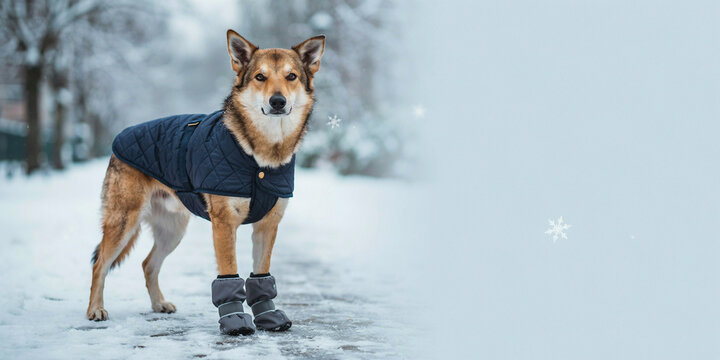
- Try protective booties for pets who tolerate them, especially during longer walks.
- Keep the fur between paw pads trimmed to help prevent painful ice buildup.
ZimmVet Tip: Even products labeled “pet-friendly” or “pet-safe” can cause irritation or stomach upset if ingested. Always wipe your pet’s paws after walking on treated surfaces!
🥶 2. Know When It’s Too Cold!
Just because your pet has a fur coat doesn’t mean they’re protected from extreme cold!
Pets can develop hypothermia and frostbite, especially when exposed to freezing temperatures for extended periods.
Every pet has a different tolerance for cold weather. Smaller dogs, short-haired breeds, puppies, senior pets, and pets with certain medical conditions may become cold much faster than others.
Watch for signs your pet is getting too cold:
- Shivering or trembling
- Lifting their paws off the ground
- Whining or appearing anxious
- Slowing down or refusing to walk
- Seeking shelter or trying to return indoors
If your pet is showing these signs, it’s time to head inside!
ZimmVet Tip: There isn’t one specific temperature that’s safe for every pet. Wind chill, moisture, coat type, age, and overall health all play a role. When temperatures become dangerously cold, keep outdoor potty breaks short and supervised.
🚗 3. Watch Out for Antifreeze!
Antifreeze is one of the most dangerous winter hazards for pets.
Many automotive antifreeze products contain ethylene glycol, a highly toxic chemical that can cause severe kidney damage and can be fatal, even in small amounts.
Unfortunately, pets may be attracted to antifreeze because of its taste.
Keep your pets safe by:
- Cleaning up spills immediately and thoroughly.
- Storing antifreeze and automotive chemicals securely out of reach.
- Checking garages and driveways for leaks.
- Keeping pets away from unknown puddles or automotive fluids.
Important: If you suspect your pet has ingested antifreeze, seek emergency veterinary care immediately. Do not wait for symptoms to appear!
🧥 4. Winter Clothing Isn’t Just for Fashion!
Those adorable little sweaters and jackets can actually serve an important purpose!
Small breeds, short-haired dogs, senior pets, and pets with limited body fat may benefit from an extra layer of warmth during winter outings.
Choose clothing that fits comfortably, allows normal movement, and doesn’t interfere with bathroom breaks.
Remember, a winter coat doesn’t make your pet immune to frostbite or hypothermia. Outdoor exposure should still be limited during extreme weather.
🏠 5. Create a Warm and Cozy Indoor Environment
When temperatures drop, it’s important to make sure your pet has a comfortable place to rest.
Provide warm bedding away from drafts and cold floors. Senior pets, especially those with arthritis, may appreciate an orthopedic bed or extra padding.
Space heaters, fireplaces, and heated blankets can also create burn and fire hazards. Always supervise pets around heating equipment and use pet-specific warming products according to the manufacturer’s instructions.
Don’t forget about outdoor cats! Cats may seek warmth under vehicles or inside engine compartments. Before starting your vehicle, check around and underneath it, tap on the hood, and give any hiding animals time to move away.
💧 6. Hydration Still Matters in Winter!
We often associate dehydration with hot summer weather, but pets still need plenty of fresh water during the winter months.
Indoor heating can contribute to dry air, and pets may not always drink as much as they should.
Make sure your pet has access to fresh, unfrozen water at all times. If your pet spends time outdoors, check water bowls frequently to prevent freezing.
Snow is not a reliable substitute for fresh drinking water!
🐕 7. Keep Up With Exercise and Mental Enrichment
When Minnesota temperatures drop below zero, long walks and outdoor playtime aren’t always realistic.
However, regular physical activity and mental stimulation are still important for your pet’s overall well-being!
Try these indoor activities:
- Puzzle feeders and treat-dispensing toys
- Indoor hide-and-seek with treats
- Short training sessions to practice new tricks
- Snuffle mats and scent games
- Interactive playtime with your pet’s favorite toys
Even a few short enrichment sessions throughout the day can help prevent boredom and keep your pet happy during those long winter months.
🩺 8. Don’t Forget About Preventative Care!
Cold weather doesn’t mean parasites disappear!
In Minnesota, ticks can become active during warmer winter days when temperatures rise above freezing. Fleas can also survive indoors throughout the year.
Heartworm prevention is important year-round, too!
At ZimmVet, we recommend year-round flea, tick, and heartworm prevention to help keep your pets protected regardless of the season.
Winter is also a great time to stay on top of routine wellness exams, vaccinations, and recommended labwork. This is especially important for senior pets and those managing chronic medical conditions.
A Safe Winter Is a Happy Winter!
Minnesota winters can be unpredictable, but with a little preparation, your pets can enjoy the season safely!
Whether your dog loves bounding through snowdrifts or your cat prefers watching the snowflakes from a cozy window, keeping their individual needs in mind is the best way to protect them from winter hazards.
At ZimmVet, we’re here to help keep your pets happy and healthy through every season!
Have questions about winter safety, preventative care, or your pet’s changing needs? Give our team a call. We’re always happy to help!
Stay warm, stay safe, and enjoy the winter season! ❄️🐾
Your friends at ZimmVet
