
Our Blog
Winter Pet Safety: Keeping Your Pets Happy, Healthy, and Warm! ❄️🐾
Winter in Minnesota can be beautiful, but the freezing temperatures, snow, and ice can bring some unexpected dangers for our furry friends! While some pets can’t wait to jump into a fresh pile of snow, others would much rather stay curled up somewhere warm.
At ZimmVet, we want to help you keep your pets safe, comfortable, and healthy all winter long. Here are some important winter safety tips every pet owner should know!
🐾 1. Protect Those Paws!
Snow, ice, and freezing temperatures can be tough on your pet’s paws. Sidewalk salt and chemical deicers can also cause irritation, dryness, and even chemical burns.
How to keep their paws protected:
- Wipe your pet’s paws after every outdoor adventure to remove salt, ice, and chemicals.
- Consider using pet-safe paw balm to help prevent dryness and cracking.
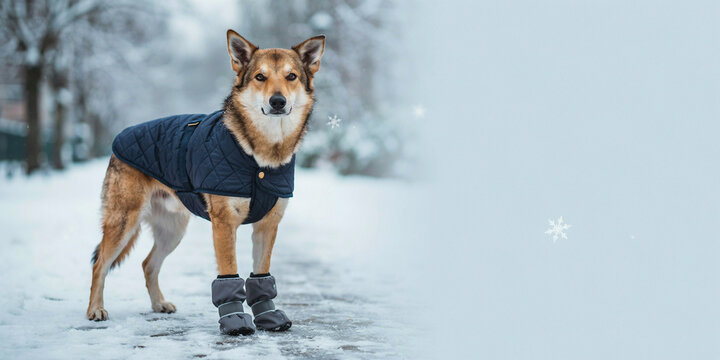
- Try protective booties for pets who tolerate them, especially during longer walks.
- Keep the fur between paw pads trimmed to help prevent painful ice buildup.
ZimmVet Tip: Even products labeled “pet-friendly” or “pet-safe” can cause irritation or stomach upset if ingested. Always wipe your pet’s paws after walking on treated surfaces!
🥶 2. Know When It’s Too Cold!
Just because your pet has a fur coat doesn’t mean they’re protected from extreme cold!
Pets can develop hypothermia and frostbite, especially when exposed to freezing temperatures for extended periods.
Every pet has a different tolerance for cold weather. Smaller dogs, short-haired breeds, puppies, senior pets, and pets with certain medical conditions may become cold much faster than others.
Watch for signs your pet is getting too cold:
- Shivering or trembling
- Lifting their paws off the ground
- Whining or appearing anxious
- Slowing down or refusing to walk
- Seeking shelter or trying to return indoors
If your pet is showing these signs, it’s time to head inside!
ZimmVet Tip: There isn’t one specific temperature that’s safe for every pet. Wind chill, moisture, coat type, age, and overall health all play a role. When temperatures become dangerously cold, keep outdoor potty breaks short and supervised.
🚗 3. Watch Out for Antifreeze!
Antifreeze is one of the most dangerous winter hazards for pets.
Many automotive antifreeze products contain ethylene glycol, a highly toxic chemical that can cause severe kidney damage and can be fatal, even in small amounts.
Unfortunately, pets may be attracted to antifreeze because of its taste.
Keep your pets safe by:
- Cleaning up spills immediately and thoroughly.
- Storing antifreeze and automotive chemicals securely out of reach.
- Checking garages and driveways for leaks.
- Keeping pets away from unknown puddles or automotive fluids.
Important: If you suspect your pet has ingested antifreeze, seek emergency veterinary care immediately. Do not wait for symptoms to appear!
🧥 4. Winter Clothing Isn’t Just for Fashion!
Those adorable little sweaters and jackets can actually serve an important purpose!
Small breeds, short-haired dogs, senior pets, and pets with limited body fat may benefit from an extra layer of warmth during winter outings.
Choose clothing that fits comfortably, allows normal movement, and doesn’t interfere with bathroom breaks.
Remember, a winter coat doesn’t make your pet immune to frostbite or hypothermia. Outdoor exposure should still be limited during extreme weather.
🏠 5. Create a Warm and Cozy Indoor Environment
When temperatures drop, it’s important to make sure your pet has a comfortable place to rest.
Provide warm bedding away from drafts and cold floors. Senior pets, especially those with arthritis, may appreciate an orthopedic bed or extra padding.
Space heaters, fireplaces, and heated blankets can also create burn and fire hazards. Always supervise pets around heating equipment and use pet-specific warming products according to the manufacturer’s instructions.
Don’t forget about outdoor cats! Cats may seek warmth under vehicles or inside engine compartments. Before starting your vehicle, check around and underneath it, tap on the hood, and give any hiding animals time to move away.
💧 6. Hydration Still Matters in Winter!
We often associate dehydration with hot summer weather, but pets still need plenty of fresh water during the winter months.
Indoor heating can contribute to dry air, and pets may not always drink as much as they should.
Make sure your pet has access to fresh, unfrozen water at all times. If your pet spends time outdoors, check water bowls frequently to prevent freezing.
Snow is not a reliable substitute for fresh drinking water!
🐕 7. Keep Up With Exercise and Mental Enrichment
When Minnesota temperatures drop below zero, long walks and outdoor playtime aren’t always realistic.
However, regular physical activity and mental stimulation are still important for your pet’s overall well-being!
Try these indoor activities:
- Puzzle feeders and treat-dispensing toys
- Indoor hide-and-seek with treats
- Short training sessions to practice new tricks
- Snuffle mats and scent games
- Interactive playtime with your pet’s favorite toys
Even a few short enrichment sessions throughout the day can help prevent boredom and keep your pet happy during those long winter months.
🩺 8. Don’t Forget About Preventative Care!
Cold weather doesn’t mean parasites disappear!
In Minnesota, ticks can become active during warmer winter days when temperatures rise above freezing. Fleas can also survive indoors throughout the year.
Heartworm prevention is important year-round, too!
At ZimmVet, we recommend year-round flea, tick, and heartworm prevention to help keep your pets protected regardless of the season.
Winter is also a great time to stay on top of routine wellness exams, vaccinations, and recommended labwork. This is especially important for senior pets and those managing chronic medical conditions.
A Safe Winter Is a Happy Winter!
Minnesota winters can be unpredictable, but with a little preparation, your pets can enjoy the season safely!
Whether your dog loves bounding through snowdrifts or your cat prefers watching the snowflakes from a cozy window, keeping their individual needs in mind is the best way to protect them from winter hazards.
At ZimmVet, we’re here to help keep your pets happy and healthy through every season!
Have questions about winter safety, preventative care, or your pet’s changing needs? Give our team a call. We’re always happy to help!
Stay warm, stay safe, and enjoy the winter season! ❄️🐾
Your friends at ZimmVet
Healthy on the Outside, But What About the Inside? Why Routine Labwork Matters for Your Pet
Your pet may look healthy, act normally, and have plenty of energy, but what is happening on the inside?
As pet owners, we do everything we can to keep our furry family members happy and healthy. We provide nutritious food, exercise, preventative medications, and plenty of love. But one important part of preventative healthcare is often overlooked: routine laboratory testing.
At ZimmVet, we recommend annual labwork for pets under 7 years of age and labwork every 6 months for our senior pets, ages 7 and older.
Why? Because our pets can’t tell us when something feels wrong, and many medical conditions can develop long before noticeable symptoms appear.
Why Is Routine Labwork So Important?
Think of routine labwork as a peek inside your pet’s body. While a physical examination tells us a lot about your pet’s overall health, laboratory testing provides valuable information that we simply cannot see or feel during an exam.
Routine bloodwork can help us evaluate:
- Kidney function: Identifying changes that may indicate kidney disease or other concerns.
- Liver health: Monitoring liver enzymes and other values that may indicate changes in liver function.
- Blood sugar: Screening for abnormalities that may be associated with conditions such as diabetes.
- Red and white blood cells: Looking for signs of anemia, inflammation, infection, and other abnormalities.
- Electrolytes and proteins: Evaluating important values that help us understand hydration, organ function, and overall health.
Depending on your pet’s age, medical history, and individual needs, your veterinarian may also recommend urine testing, thyroid testing, or other diagnostics.
The goal isn’t just to find illness. It’s to establish what is normal for YOUR pet so we can recognize changes early.
Pets Under 7: Why Test Every Year?
It’s easy to assume that a young, energetic pet doesn’t need bloodwork. After all, if they’re eating, playing, and acting normally, everything must be fine, right?
Not necessarily!
Even young and middle-aged pets can develop medical conditions without showing obvious symptoms.
Annual labwork allows our veterinary team to establish baseline values for your pet. These results give us a reference point to compare against future testing.
For example, your pet’s kidney values may fall within the normal reference range, but gradually increase from year to year. By monitoring these trends, we may recognize a developing concern before those values become abnormal.
Annual testing also provides an opportunity to identify unexpected changes, monitor overall health, and make more informed decisions about medications or additional diagnostics.
Preventative care isn’t just about treating problems. It’s about looking for them before they become bigger problems.
Senior Pets (7+): Why Every 6 Months?
Our pets age much faster than we do, and as they get older, their healthcare needs change.
At ZimmVet, we consider pets ages 7 and older to be seniors. While the aging process varies by species, breed, and size, this is when we recommend transitioning to more frequent laboratory monitoring.
As pets age, they become more susceptible to conditions such as:
- Chronic kidney disease
- Liver disease
- Diabetes
- Thyroid disorders
- Anemia and other blood cell abnormalities
- Other age-related health concerns
Many of these conditions can develop gradually, and the earliest signs may be subtle or easy to mistake for normal aging.
Changes such as sleeping more, drinking additional water, losing weight, or slowing down may seem like typical signs of getting older. However, they can also indicate an underlying medical concern.
Why not just wait until next year?
A lot can change in six months, especially for a senior pet.
By checking labwork twice a year, we have more opportunities to identify changes, monitor existing conditions, and adjust treatment plans when necessary.
For pets already managing chronic illnesses or taking long-term medications, regular testing can be particularly valuable in evaluating how their bodies are responding.
Age itself isn’t a disease, but aging can increase the risk of developing one.
Our goal is to help your senior pet stay comfortable, active, and healthy for as long as possible.
But My Pet Seems Perfectly Healthy!
We hear this all the time, and we LOVE hearing that your pet is doing well!
However, one of the biggest challenges in veterinary medicine is that animals are incredibly good at hiding illness.
In the early stages of certain diseases, pets may continue eating, drinking, playing, and behaving just as they normally would.
By the time noticeable symptoms develop, some conditions may have already progressed.
Routine labwork gives us an opportunity to investigate potential concerns earlier, when there may be more options for monitoring, management, or treatment.
And when everything comes back normal? That’s great news, too!
Normal results provide reassurance and valuable information for future comparisons.
What Happens If We Find Something Abnormal?
An abnormal lab result doesn’t automatically mean your pet has a serious illness.
Laboratory values can be influenced by many factors, including hydration, medications, stress, and individual variation.
If we identify something outside the expected range, our veterinarians will evaluate those findings alongside your pet’s physical examination, medical history, and previous results.
Depending on the findings, we may recommend monitoring, repeating a test, additional diagnostics, or discussing treatment options.
Our goal is always to make informed, individualized recommendations that support your pet’s long-term health.
A Small Step Toward a Healthier Future
We know that veterinary care is an investment, and it can be tempting to skip laboratory testing when your pet seems healthy.
But routine labwork is one of the most valuable tools we have for understanding what’s happening inside your pet’s body.
At ZimmVet, we recommend:
- Pets under 7 years old: Routine labwork every 12 months.
- Senior pets, ages 7 and older: Routine labwork every 6 months.
- Pets with ongoing medical conditions: Testing as recommended by their veterinarian, which may be more frequent.
These are general recommendations, and your veterinarian may adjust the testing schedule based on your pet’s individual needs.
Because They Deserve More Than Just Feeling Fine
Our pets give us so much throughout their lives. From puppy and kitten adventures to the slower, sweeter senior years, we want to help make every stage as healthy and comfortable as possible.
Routine labwork helps us do more than react to illness. It helps us be proactive about your pet’s health.
Is your pet due for their annual or senior wellness labwork?
Contact ZimmVet to schedule an appointment and give your pet the benefit of proactive, personalized veterinary care.
Is My Pet in Pain? Subtle Signs Pet Owners Often Miss
When we think of a pet in pain, we may picture an obvious limp, crying, or an injury. In reality, dogs and cats can be surprisingly good at hiding discomfort. Some of the earliest signs of pain are subtle changes that are easy to mistake for aging, stubbornness, or simply “slowing down.”
Knowing what to watch for at home can help you recognize discomfort sooner and give your pet the care they need.
Pain Doesn’t Always Look Like Pain
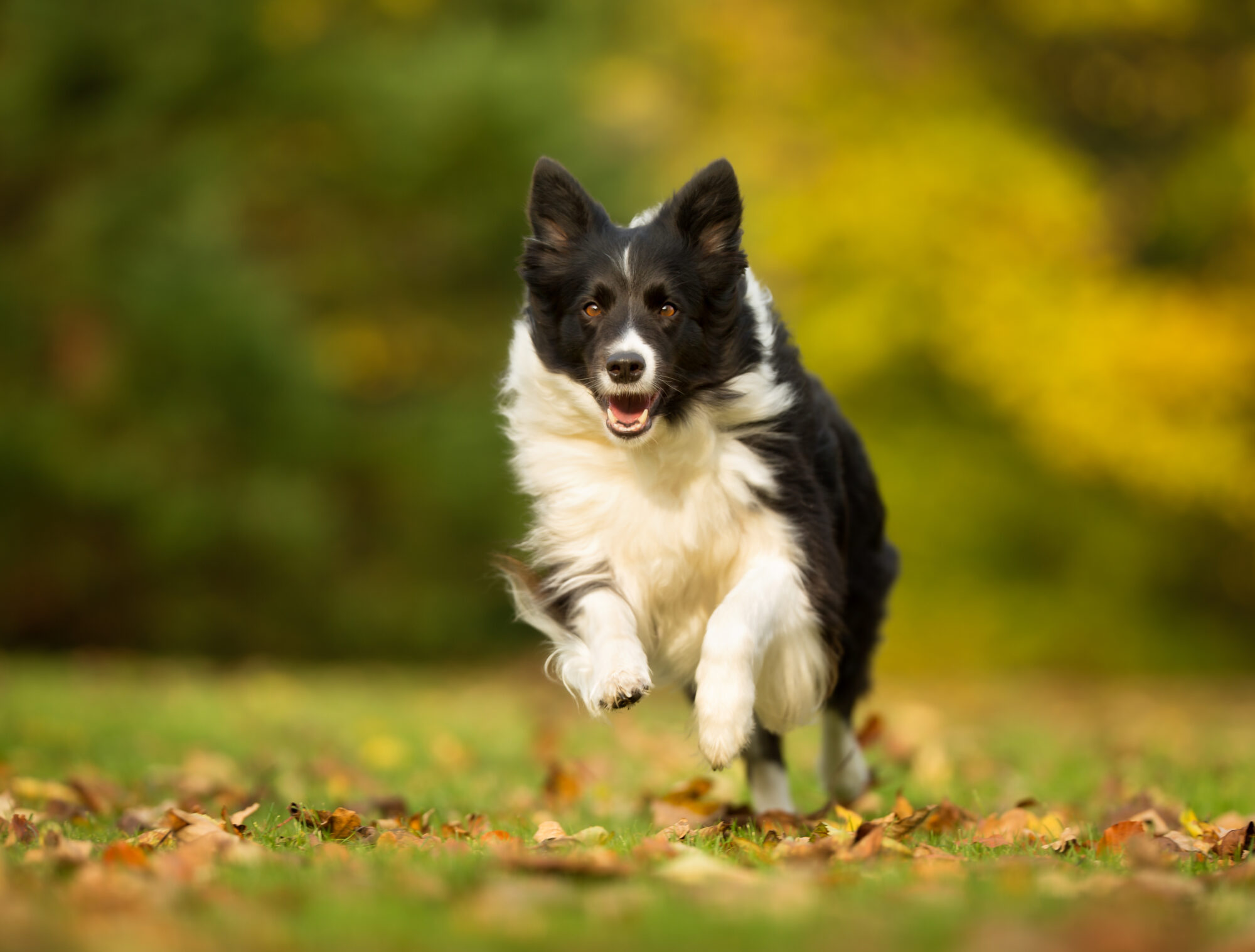
Pets can’t tell us where it hurts, and many won’t vocalize when they’re uncomfortable. Instead, pain may show up as a change in their normal routine or behavior.
Some signs to watch for include:
- Hesitating before jumping onto furniture or into the car
- Difficulty going up or down stairs
- Taking longer to stand after lying down
- Limping or favoring a leg
- Sleeping more than usual
- Becoming less interested in walks or play
- Restlessness or difficulty getting comfortable
- Changes in appetite
- Excessive licking or grooming of one area
- Decreased grooming, especially in cats
- Hiding or avoiding interaction
- Becoming unusually clingy
- Irritability when touched or picked up
- Changes in posture
- Having accidents in the house or difficulty getting into the litter box
One isolated behavior doesn’t necessarily mean your pet is painful. However, new, persistent, or worsening changes are worth paying attention to.
“They’re Just Getting Old”
Because these changes often happen gradually, they can be difficult to notice when you see your pet every day.
Think back six months or a year. Has your pet’s activity changed? Are they still doing the things they used to enjoy? Have you changed their routine to accommodate something they no longer want to do?
Those observations can provide your veterinary team with valuable information.
Cats Can Be Especially Tricky
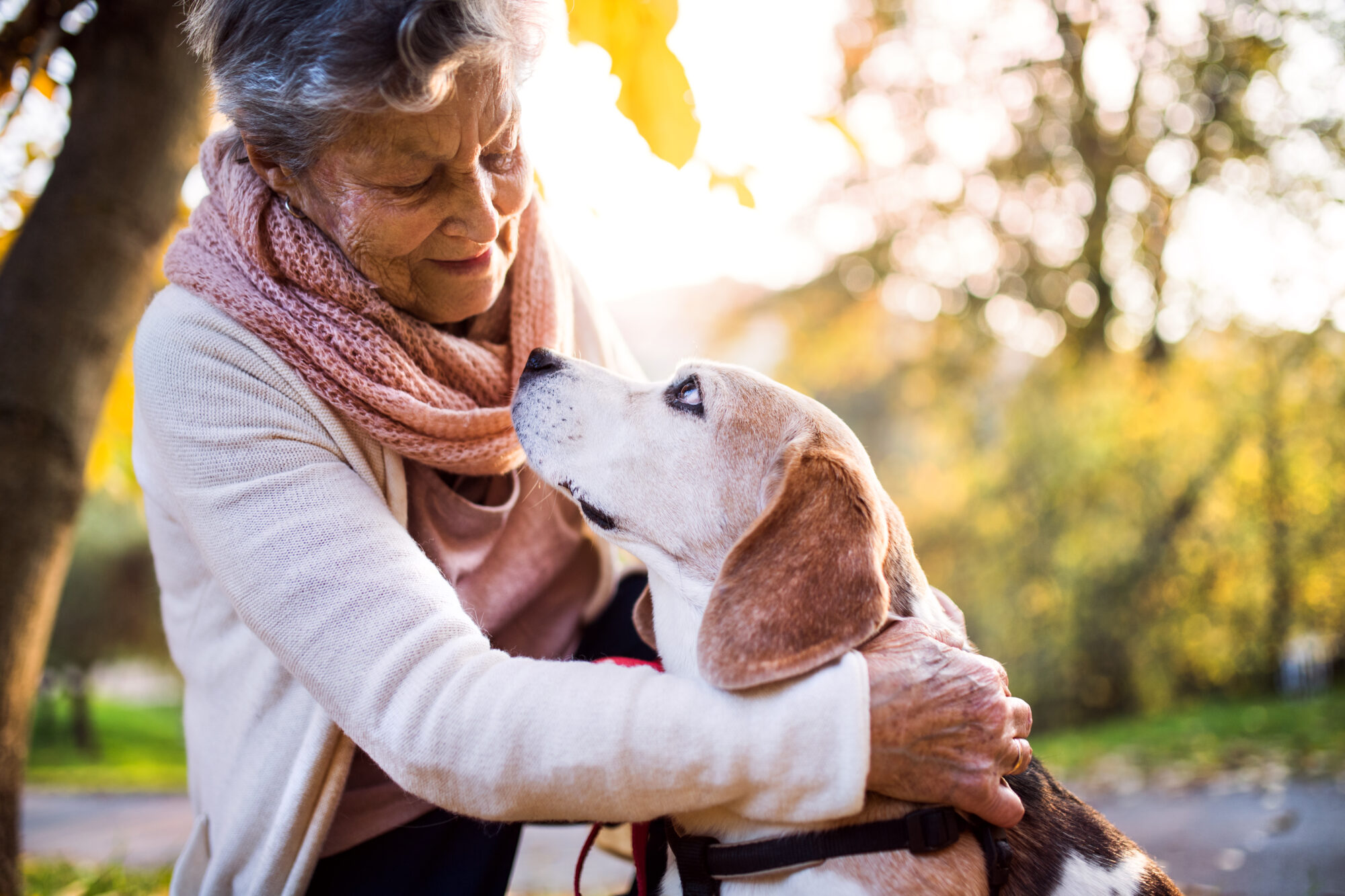
Cats are masters at hiding illness and discomfort.
Instead of limping, an arthritic cat may simply stop jumping onto a favorite windowsill. They might sleep downstairs instead of climbing upstairs, hesitate before entering a high-sided litter box, or become less tolerant of being picked up.
Changes in grooming can also be important. A painful cat may stop grooming difficult-to-reach areas, resulting in an unkempt or matted coat.
Small behavioral changes can sometimes be our first clue that something isn’t right.
How Can Your Veterinary Team Help?
If you’re noticing changes at home, a veterinary examination is a good place to start.
During an exam, your veterinarian can evaluate your pet’s joints, muscles, spine, mouth, abdomen, and overall health. Depending on what they find, additional diagnostics such as bloodwork or X-rays may be recommended.
There are also more options available for managing discomfort than many pet owners realize. Treatment will depend on the individual pet and the cause of their pain and may include medications, weight management, environmental modifications, rehabilitation, or other therapies.
Most importantly, don’t give your pet human pain medications unless specifically instructed by a veterinarian. Many common medications used by people can be dangerous or even life-threatening to pets.
You Know Your Pet Best
You see your pet every day, which means you’re often the first person who can recognize when something has changed.
If you’re thinking, “They just don’t seem like themselves,” that information matters.
Photos and videos from home can also be extremely helpful. If your pet walks strangely after getting up, hesitates on the stairs, or displays another behavior that disappears once they’re at the veterinary clinic, try recording it to show your veterinary team.
Our goal is not only to help pets live longer lives, but to help them remain comfortable and enjoy the things they love along the way.
If you’ve noticed a change in your pet’s mobility, activity level, behavior, or daily routine, give the ZimmVet team a call. We’d be happy to help determine whether discomfort could be playing a role.
Why Choosing an AAHA-Accredited Veterinary Hospital Matters
When it comes to your pet’s health, you want more than just good care—you want the highest standard of care. That’s exactly what the American Animal Hospital Association (AAHA) Accreditation represents.
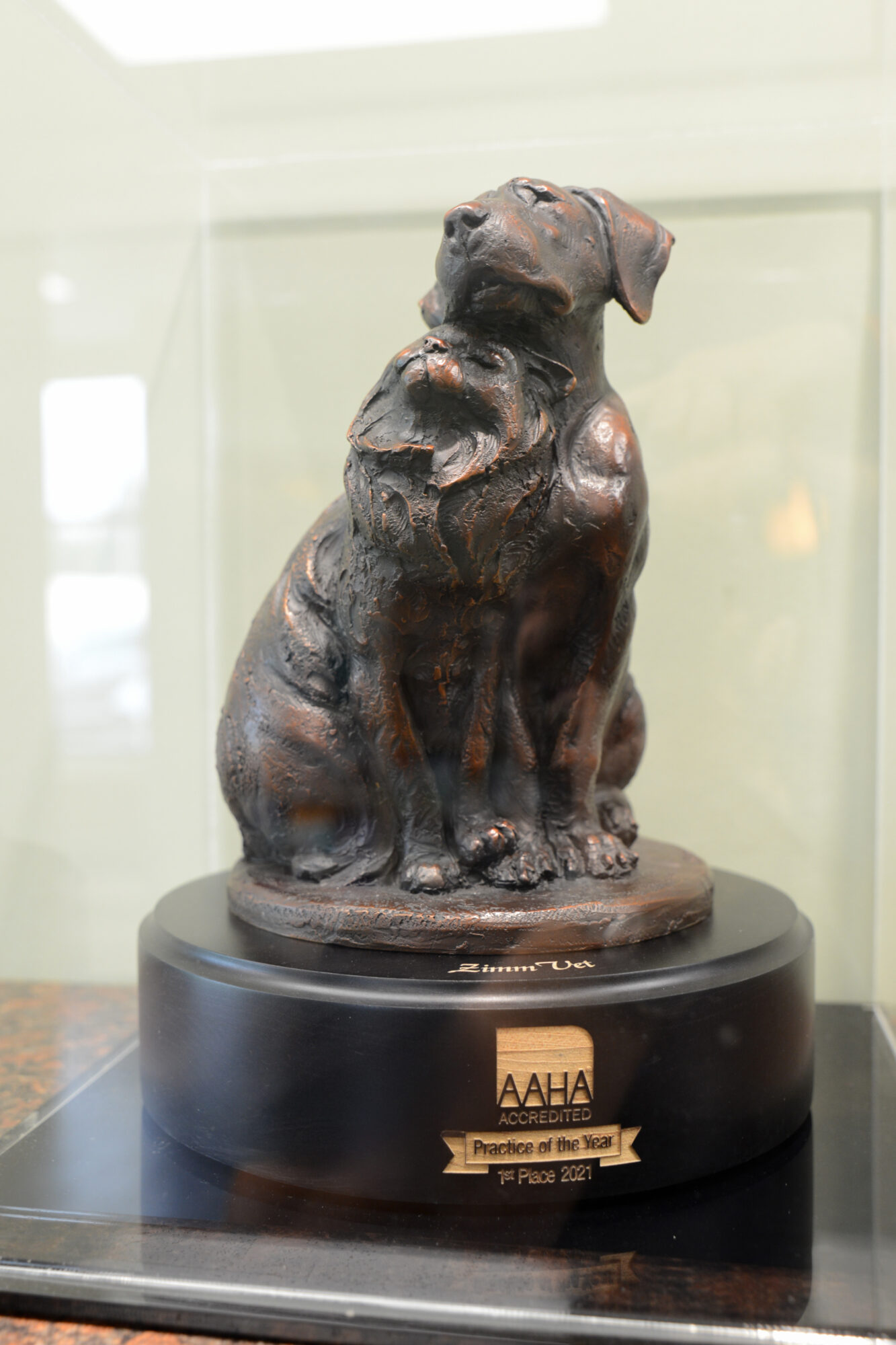
At ZimmVet, we are proud to be an AAHA-accredited veterinary hospital and even more honored to have been named the 2021 AAHA Veterinary Practice of the Year. This recognition reflects our ongoing commitment to providing exceptional medicine, compassionate care, and an outstanding experience for both our patients and their families.
But what does AAHA Accreditation actually mean, and why should it matter to you?
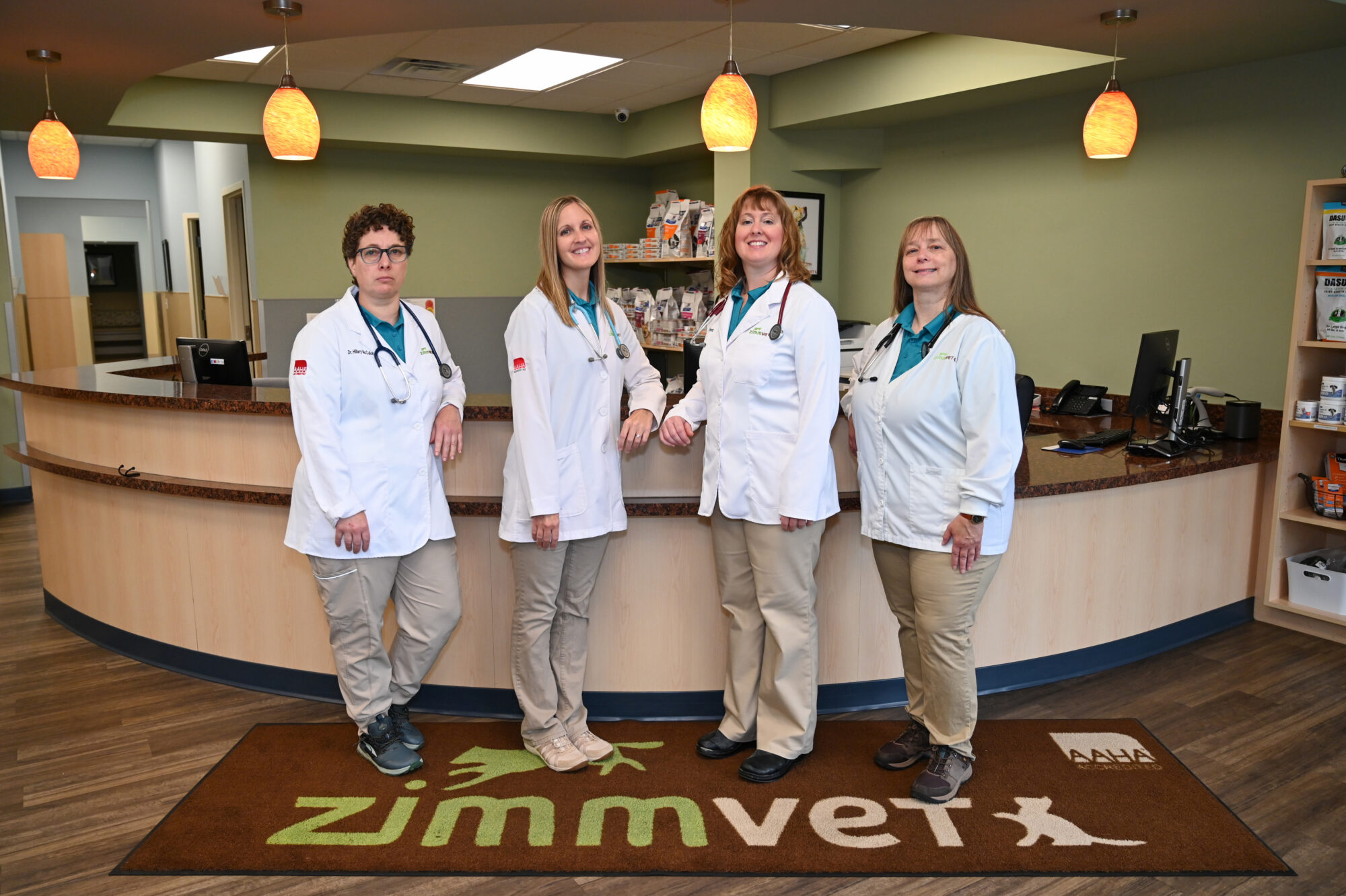
What Is AAHA?
The American Animal Hospital Association (AAHA) is the only organization in the United States and Canada that accredits companion animal veterinary hospitals.
Unlike human hospitals, veterinary clinics are not required to become accredited. Accreditation is entirely voluntary and requires a hospital to undergo a comprehensive evaluation by veterinary professionals.
Only a small percentage of veterinary hospitals achieve and maintain AAHA Accreditation, making it a meaningful distinction that demonstrates a commitment to excellence.
What Does Accreditation Mean?
AAHA-accredited hospitals are evaluated on hundreds of standards that cover nearly every aspect of veterinary medicine and hospital operations. These standards are regularly updated to reflect the latest advancements in veterinary medicine and best practices.
Areas evaluated include:
- Patient safety
- Anesthesia and pain management
- Surgery and surgical protocols
- Dental care
- Pharmacy procedures
- Diagnostic imaging
- Laboratory services
- Infection control
- Medical record keeping
- Continuing education
- Equipment maintenance
- Client communication
- Emergency preparedness
- Team training and hospital cleanliness
These aren’t just recommendations—they are measurable standards that hospitals must consistently meet to maintain accreditation.
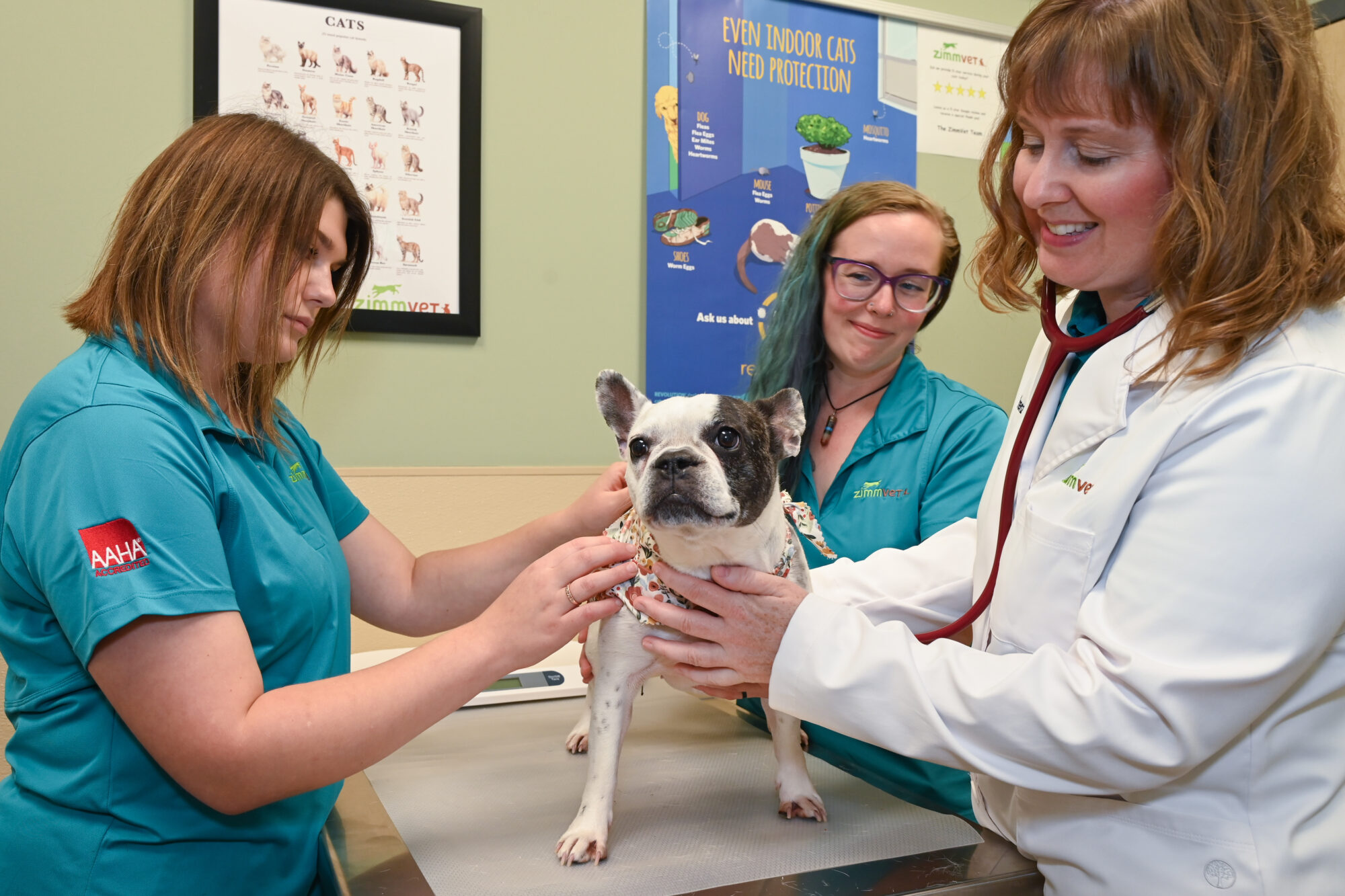
Why Does This Matter for Your Pet?
Your pet deserves the same level of attention to detail that you would expect in human healthcare.
When you visit an AAHA-accredited practice, you can feel confident knowing that your pet benefits from:
Consistent High Standards
Every member of the veterinary team follows established protocols designed to provide safe, consistent, and effective medical care.
Advanced Patient Safety
From anesthesia monitoring to sterilization procedures and medication handling, every step is carefully designed to minimize risk and maximize patient comfort.
Current Medical Practices
AAHA standards evolve alongside veterinary medicine, meaning accredited hospitals continually update their protocols based on the latest research and recommendations.
Ongoing Staff Education
Veterinary medicine changes rapidly. AAHA accreditation encourages continual learning so doctors and staff stay current on new treatments, technology, and best practices.
Quality You Can Trust
Accreditation isn’t something earned once and forgotten. Hospitals are regularly re-evaluated to ensure they continue meeting AAHA’s rigorous standards year after year.
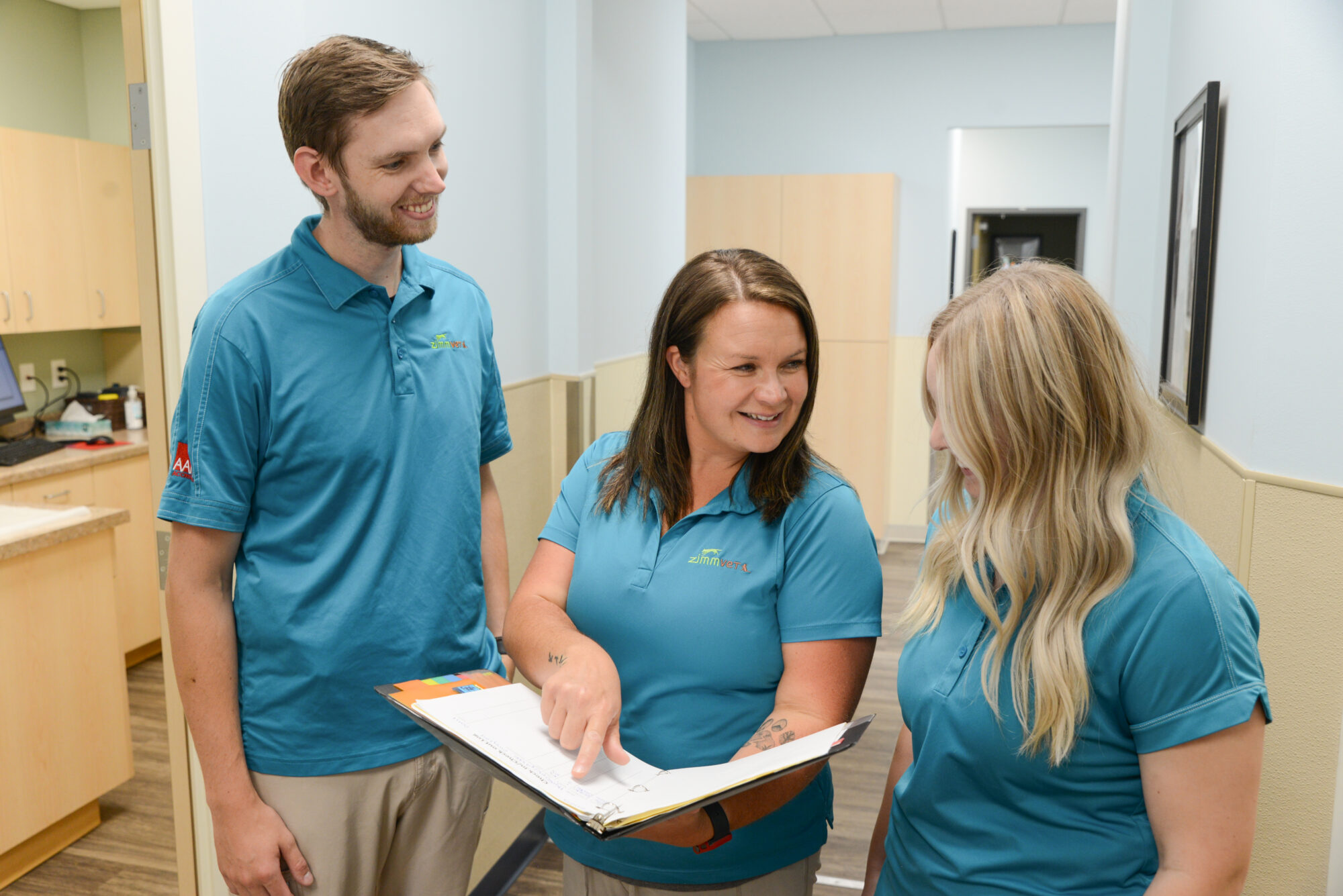
Going Above and Beyond
Choosing accreditation means choosing to hold ourselves to a higher standard—even when no one is watching.
Maintaining AAHA Accreditation requires significant investment in equipment, training, protocols, and continuing education. It takes dedication from every member of our team because we believe your pets deserve nothing less.
While many veterinary hospitals provide excellent care, AAHA Accreditation offers an additional level of confidence that your veterinary team has voluntarily committed to meeting nationally recognized standards of excellence.
The ZimmVet Difference
At ZimmVet, AAHA Accreditation isn’t simply a plaque on the wall—it’s part of how we practice medicine every single day.
Whether your pet is here for a routine wellness exam, surgery, dental procedure, diagnostic testing, or emergency care, our team follows carefully developed protocols designed to provide safe, compassionate, and high-quality care.
As a privately and locally owned practice, we’re proud to combine personalized service with the highest standards in veterinary medicine. Our accreditation reflects the dedication of every doctor, technician, assistant, customer service representative, and support staff member who works together to give your pets the care they deserve.
Trusting Your Pet’s Care
Your pets are family, and choosing a veterinary hospital is one of the most important decisions you’ll make for them.
When you choose an AAHA-accredited hospital, you’re choosing a practice that has voluntarily gone above and beyond to demonstrate its commitment to quality, safety, and excellence.
At ZimmVet, we’re honored to provide that level of care to our community every day. If you have questions about AAHA Accreditation or would like to schedule an appointment, we’d love to welcome you and your pet.
Because every pet deserves exceptional care—and every family deserves peace of mind.
Why Regular Veterinary Care Matters for Exotic Pets
When most people think of veterinary care, dogs and cats usually come to mind.
However, exotic pets including birds, rabbits, reptiles, snakes, ferrets, guinea pigs, hamsters, hedgehogs, and other pocket pets, require regular veterinary care just as much as their canine and feline counterparts. In fact, routine wellness exams can be even more important for exotic species because they are experts at hiding signs of illness.
At ZimmVet, we believe that preventive care is the key to helping all pets live longer, healthier lives.
Exotic Pets Hide Illness Well
In the wild, showing signs of weakness can make an animal vulnerable to predators. As a result, many exotic pets instinctively hide symptoms until they are seriously ill. By the time changes in appetite, activity level, or behavior become obvious, the condition may have progressed significantly.
Regular veterinary examinations allow us to identify subtle changes before they become major health concerns. Early detection often leads to more treatment options, better outcomes, and lower medical costs.
Proper Nutrition and Husbandry Are Essential
Many health issues seen in exotic pets stem from improper diet or environmental conditions. During wellness visits, our veterinary team evaluates factors such as:
- Diet and nutritional needs
- Habitat setup and enclosure size
- Temperature and humidity requirements
- UVB lighting for reptiles
- Enrichment and exercise opportunities
- Social and behavioral needs
Small adjustments to an exotic pet’s environment can have a significant impact on their overall health and quality of life.
Common Health Concerns We Monitor
Birds
Birds can develop nutritional deficiencies, respiratory disease, obesity, feather-picking behaviors, and reproductive issues. Annual exams help monitor weight, beak and nail health, and overall wellness.
Rabbits
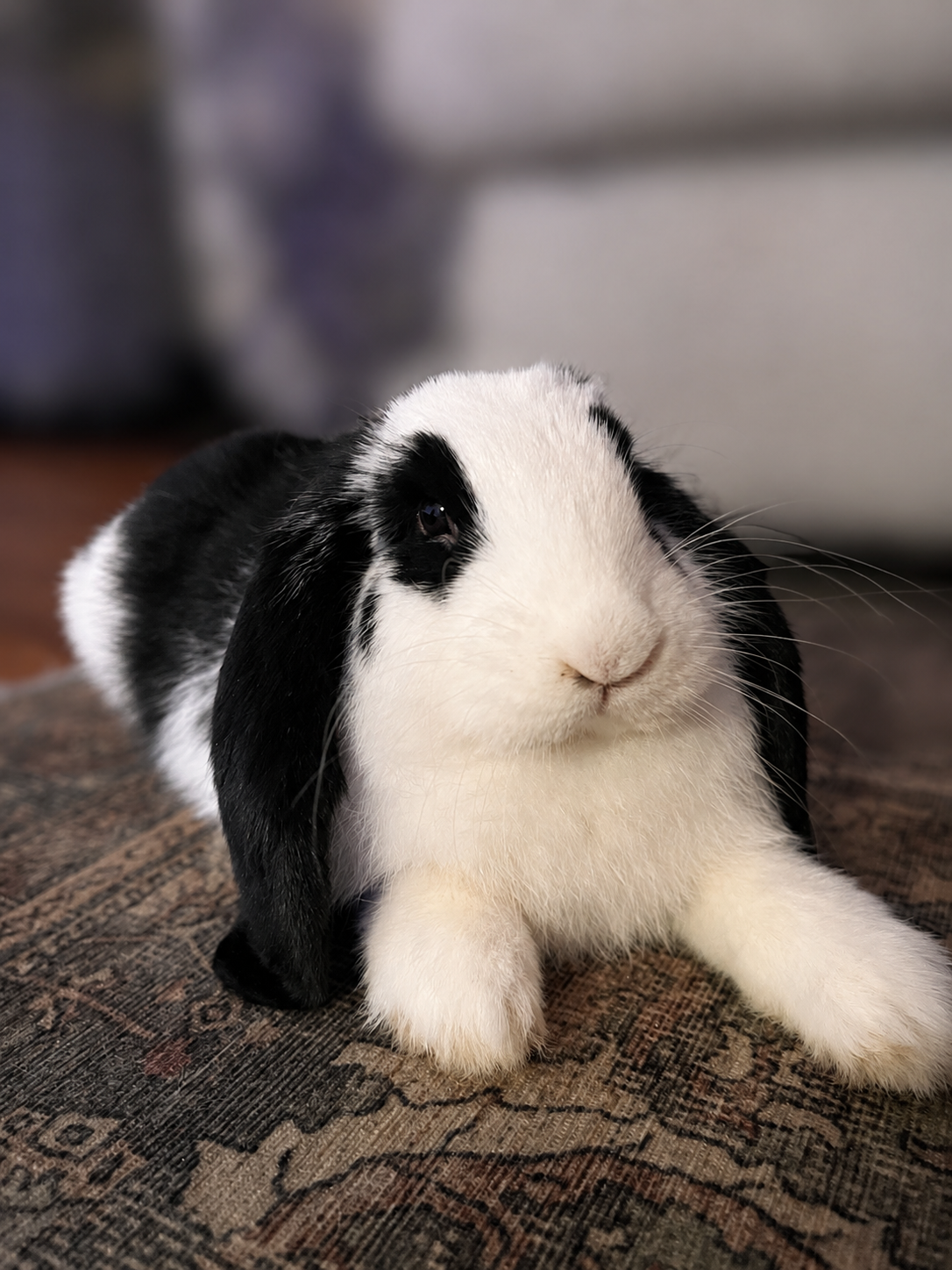
Rabbits are prone to dental disease, gastrointestinal problems, obesity, and arthritis. Routine exams allow veterinarians to evaluate tooth health, body condition, and mobility before problems become severe.
Reptiles and Snakes
Reptiles often suffer from husbandry-related conditions such as metabolic bone disease, respiratory infections, parasites, and shedding issues. Regular evaluations help ensure proper lighting, heating, and nutrition are supporting healthy growth and development.
Guinea Pigs, Hamsters, Gerbils, and Other Pocket Pets
Small mammals can experience dental disease, skin conditions, tumors, obesity, and nutritional deficiencies. Because these animals age quickly, routine exams are especially important for detecting changes early.
Hedgehogs and Ferrets
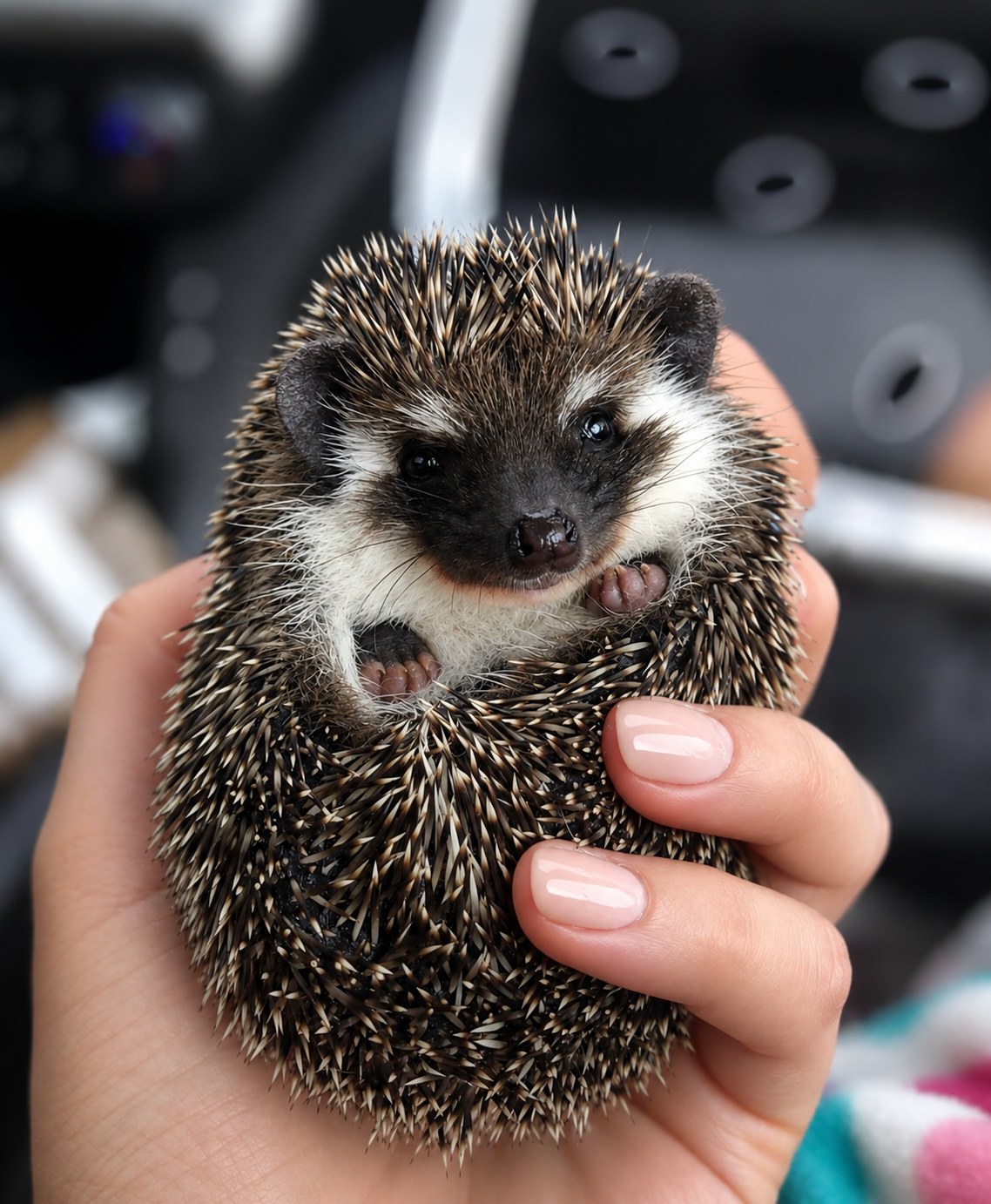
These unique pets are susceptible to a variety of health concerns, including dental disease, obesity, heart disease, and certain cancers. Preventive care helps identify concerns before they affect quality of life.
Wellness Testing Can Detect Hidden Problems
Depending on your pet’s species, age, and lifestyle, your veterinarian may recommend:
- Fecal testing for parasites
- Bloodwork to evaluate organ function
- Weight monitoring
- Dental evaluations
- Nutritional assessments
- Husbandry consultations
These screenings provide valuable information about your pet’s health, even when they appear perfectly normal.
Building a Health History
Routine visits allow your veterinarian to establish baseline health information for your pet. Tracking changes in weight, behavior, appetite, and physical exam findings over time can help identify emerging health issues much earlier than a single sick visit.
For senior exotic pets, these regular checkups become even more important as age-related conditions become more common.
When Should Exotic Pets Visit the Veterinarian?
Most healthy exotic pets should receive a wellness examination at least once per year. Senior pets, pets with chronic medical conditions, or species with shorter lifespans may benefit from more frequent evaluations.
Newly acquired exotic pets should also be examined shortly after joining the family to ensure they are healthy and to establish a preventive care plan.
Partnering for a Longer, Healthier Life
Exotic pets bring unique personalities, behaviors, and companionship into our lives. Whether you share your home with a rabbit, parrot, snake, bearded dragon, guinea pig, hedgehog, or another special companion, regular veterinary care is one of the best investments you can make in their health and well-being.
At ZimmVet, we’re proud to provide compassionate care for a wide variety of exotic species. Our team is here to help you navigate your pet’s unique needs and ensure they enjoy a happy, healthy life for years to come.
Have questions about your exotic pet’s health? Contact ZimmVet today to schedule a wellness examination and learn how preventive care can help your pet thrive.
Leptospirosis: A Risk to Pets and People
By Dr. Maria Krenz, DVM – ZimmVet
763-856-4848
Leptospirosis is a serious infectious disease that can affect dogs, other animals, and people. It is caused by spiral-shaped bacteria called Leptospira, which thrive in water and warm, wet soil. While leptospirosis has existed for many years, veterinarians are seeing an increase in cases across both rural and urban areas.
Because this disease can spread from animals to humans, prevention and awareness are very important.
How Pets Become Infected
Leptospirosis is spread through the urine of infected animals. The bacteria can survive in contaminated water or soil for weeks to months, especially in warm and moist environments.
Humans and animals can become infected through contact with:
- Contaminated water or soil
- Urine from infected animals
- Contaminated body fluids (excluding saliva)
The bacteria enter the body through the eyes, nose, mouth, or broken skin such as cuts or scratches. Drinking contaminated water can also cause infection.
Infected animals may continue shedding the bacteria into the environment for months or even years.
Pets are commonly exposed when they:
- Drink from puddles, ponds, or standing water
- Swim or walk through contaminated water
- Encounter infected wildlife such as raccoons, skunks, squirrels, opossums, or deer
As residential development expands into previously rural areas, pets are coming into closer contact with wildlife carriers of leptospirosis. Dogs can also spread the disease to other dogs and potentially to people.
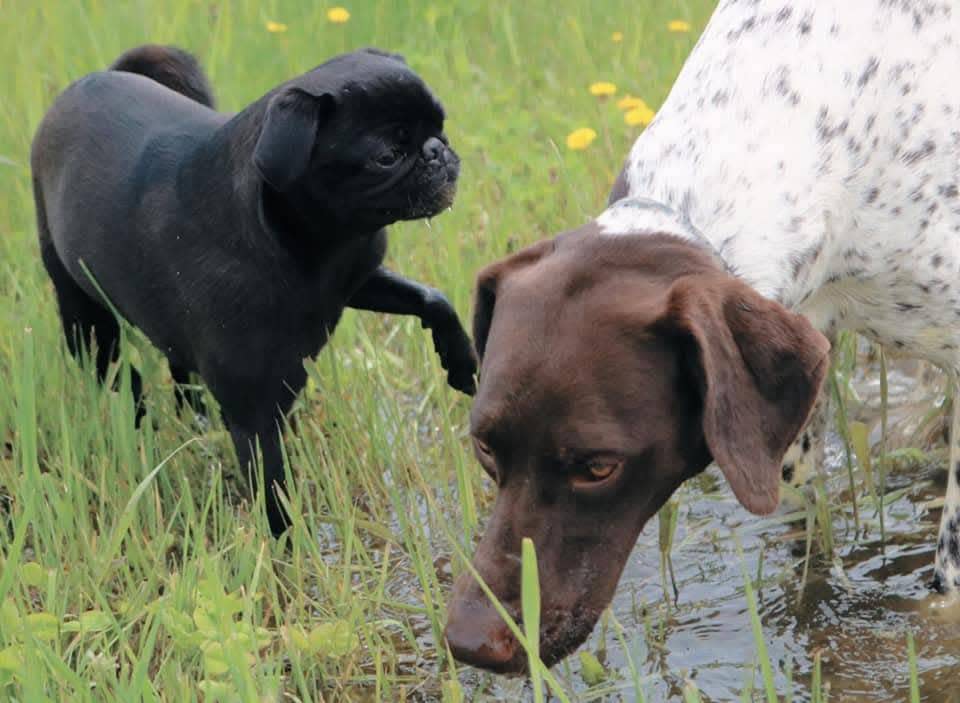
Signs of Leptospirosis in Dogs
The signs of leptospirosis can vary greatly and are often nonspecific, meaning they can resemble many other illnesses. Some infected pets may not show symptoms at all.
Common signs include:
- Fever
- Vomiting
- Diarrhea
- Abdominal pain
- Loss of appetite
- Severe weakness or depression
- Muscle pain or stiffness
- Difficulty walking
- Dehydration
- Kidney or liver failure
Leptospirosis can also affect reproduction and may cause pregnancy loss or infertility.
Younger dogs, especially those under one year of age, tend to develop more severe disease. Studies show that 87–100% of infected dogs experience some degree of kidney dysfunction.
Treatment
Leptospirosis is typically treated with antibiotics, most commonly doxycycline. Many pets also require supportive care such as:
- Intravenous fluids
- Medications for nausea or pain
- Hospitalization
- Monitoring of kidney and liver function
Unfortunately, severe infections can cause permanent damage to the kidneys or liver, and some pets may not survive despite treatment.
Early diagnosis and treatment greatly improve the chances of recovery.
Prevention
Vaccination is one of the best ways to protect dogs from leptospirosis.
In 2022, the American Animal Hospital Association (AAHA) updated its guidelines to recommend leptospirosis vaccination for all dogs, regardless of lifestyle or geographic location.
Previously, hunting and farm dogs were considered most at risk. We now know that any dog spending time outdoors may be exposed, including dogs living in suburban and urban environments.
The vaccine:
- Protects against four major strains (serovars) of leptospirosis
- Is often included with routine distemper combination vaccines
- Requires annual boosters for continued protection
Currently, there is no approved leptospirosis vaccine for cats.
Why This Matters
Leptospirosis is becoming increasingly common in the Zimmerman area and throughout Minnesota. Because the disease can spread to people, protecting your dog also helps protect your family.
If your dog spends time outdoors—even briefly—it may be at risk.
Talk with your veterinarian about whether leptospirosis vaccination is appropriate for your pet.
Learn More
CDC Fact Sheet on Leptospirosis:
https://www.cdc.gov/leptospirosis/pets/index.html
Disclaimer:
This article is intended for educational purposes only and should not be considered medical advice. Always consult your veterinarian regarding your pet’s health and medical care.
What is Pet Insurance and How does it Work?
By Dr. Maria Krenz, DVM – ZimmVet-763-856-4848
Pet insurance is becoming commonplace. The purchase of pet insurance has been growing about 20% each year. 2025 was another record year for pet insurance enrollment. Having pet insurance allows pet owners to provide the needed care for their furry friends, especially during times of unexpected illness or accidents. There are 20 major pet insurance companies in the United States. In this article, we will discuss the difference between insurance plans and items to be aware of.
Reimbursement plans
All pet insurance companies either use a percentage of the invoice or a benefit schedule to calculate reimbursement.
With pet insurance, the pet owner pays the veterinary clinic at the time of service. The pet owner then submits receipts and needed paperwork to the pet insurance company. The pet owner then is reimbursed from the insurance company.
- Percentage of the Invoice: The insurance company covers a percentage of the total bill. This is usually after a deductible is met. Some companies have a set percentage while others let you pick from a couple percentages (70%, 80%, 90%) based on your budget.
Example: You met your deductible, and your plan reimburses 80% for illnesses. Your pet has an ear infection, and your total bill is $250. You are reimbursed $200 from the insurance company.
Pets Best petsbest.com is an example of an insurance company that is a percentage of the invoice.
- Benefit Schedule: Reimbursement is capped at a set amount for each condition per year.
Example: Your pet has an ear infection, and your total bill is $250. Your insurance company allows up to $400 per year for skin/ear infections. You would get $250 reimbursed. If your pet has another ear infection that year you would be reimbursed $150 since the maximum per year is $400 total.
Nationwide petinsurance.com is a common insurance with a benefit schedule

Types of Coverage
There are different coverage options and different insurance companies have different terminology. It is important to read the details of what they include. Here are some common examples:
- Accident: This is usually a low-cost option that covers unforeseen accidents such as broken legs and trauma.
- Illness: This covers sickness such as ear infections, skin infections, urinary tract infections. It may not cover hereditary conditions or joint conditions such as hip dysplasia or a torn cruciate.
- Wellness: This covers wellness items such as exams, routine lab tests, vaccinations, heartworm, routine surgeries, and dental cleanings as well as flea and tick medication. It is usually something you can add on to a medical plan.
- Whole Pet: Many companies have combination plans that cover both Accident & Illness and may have options to cover hereditary or joint conditions. Often high-expense care such as cancer care may also be an added cost.
Items to be aware of
It is always best to get pet insurance as soon as possible, ideally as a puppy. Insurance companies will not cover pre-existing conditions. There may be a waiting period where conditions are not yet covered. An example of a condition that commonly has a waiting period of 6-12 months is a torn cruciate ligament. Some insurance companies will not cover a pet over a certain age, but others will cover any age pet. Some insurance companies have a deductible, in some cases you can choose the deductible amount based on your budget (example $500, $1000). It is very important that you read all the stipulations, so you are clear what is and what is not covered in your plan, deductibles, and reimbursement schedules.
Disclaimer: This written content is meant to be educational and is not medical advice. Always consult a veterinarian about medical advice for your pet.
When Should You Bring Your Senior Pet to the Vet?
As our pets grow older, their needs begin to change — sometimes subtly, sometimes quickly. Just like people, senior pets require a little extra attention to stay comfortable, healthy, and happy in their golden years. But how do you know when it’s time for a vet visit? Here’s what every pet owner should know about caring for a senior dog or cat.
When Is a Pet Considered “Senior”?
Dogs: Around 7 years old (large breeds may be considered senior as early as 5–6).
Cats: Around 7 years old.
Even if your pet seems perfectly healthy, aging happens faster in pets than in humans. That’s why routine veterinary care becomes even more important during this stage of life.
How Often Should Senior Pets See the Vet?
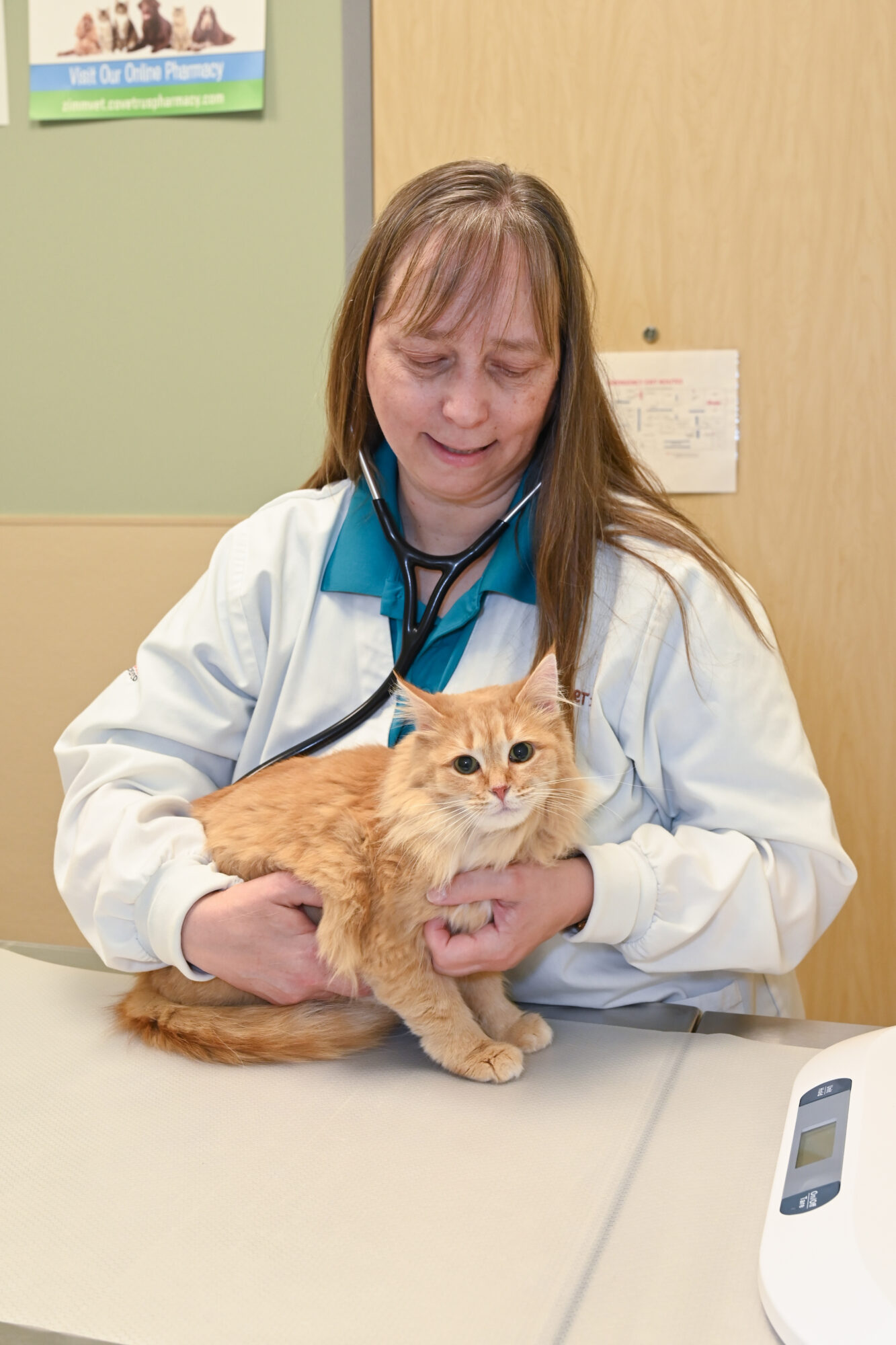
For senior pets, we recommend twice-yearly physical exams. Seeing them every 6 months allows your veterinarian to detect subtle changes early — when treatment is often easier, mor effective, and less costly. These visits may include;
- Comprehensive physical exams
- Bloodwork, urinalysis
- Dental evaluation
- Weight and mobility assessments
- Discussion of behavior or lifestyle changes.
Signs Your Senior Pet Should Be Seen Sooner
- Changes in appetite or drinking
- Weight loss or gain
- Difficulty getting up, limping, or stiffness
- Behavior changes or confusion
- New lumps or bumps
- Bad breath or drooling
These changes may signal arthritis, kidney disease, diabetes, dental disease, thyroid conditions or other conditions.
Common Health Conditions in Senior Pets
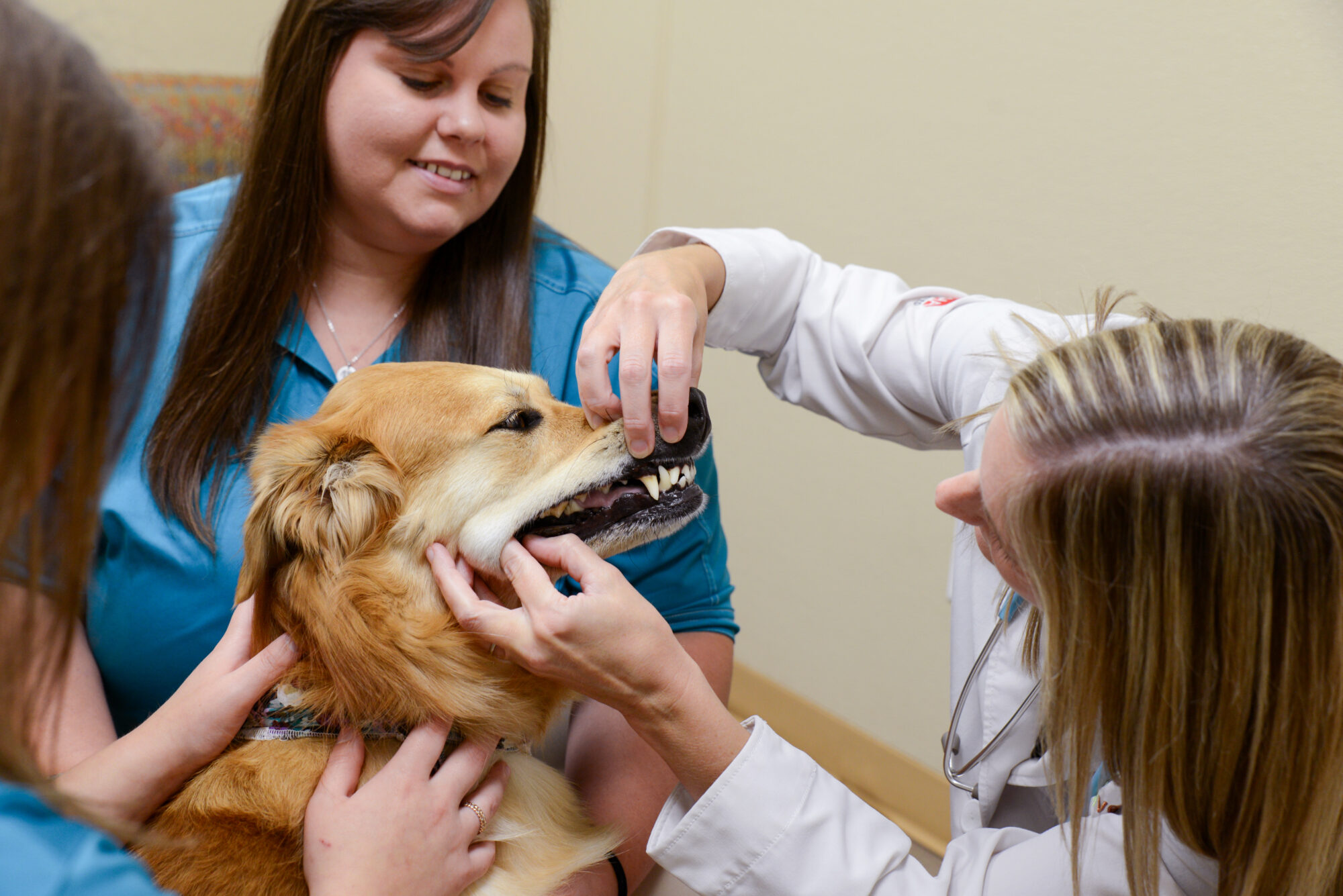
Growths and masses, arthritis, kidney disease, diabetes, thyroid disease, heart disease, dental disease, and cancer are most common in senior pets. Early detection gives us more options to support your pet’s quality of life
The Goal: Quality of Life
Senior care isn’t just about adding years to your pet’s life — it’s about adding life to their years.
With regular monitoring, pain management, nutritional adjustments, and early intervention, many senior pets continue to thrive well into their golden years.
When in Doubt, Call
You know your pet best. If something feels “off,” trust your instincts. Subtle changes are often the first signs that something needs attention. At ZimmVet, we’re here to partner with you through every stage of your pet’s life — especially the senior years. If your pet is entering their golden years, now is the perfect time to schedule a physical exam and create a proactive care plan.
What to Expect When You Drop Your Pet Off for Surgery at ZimmVet
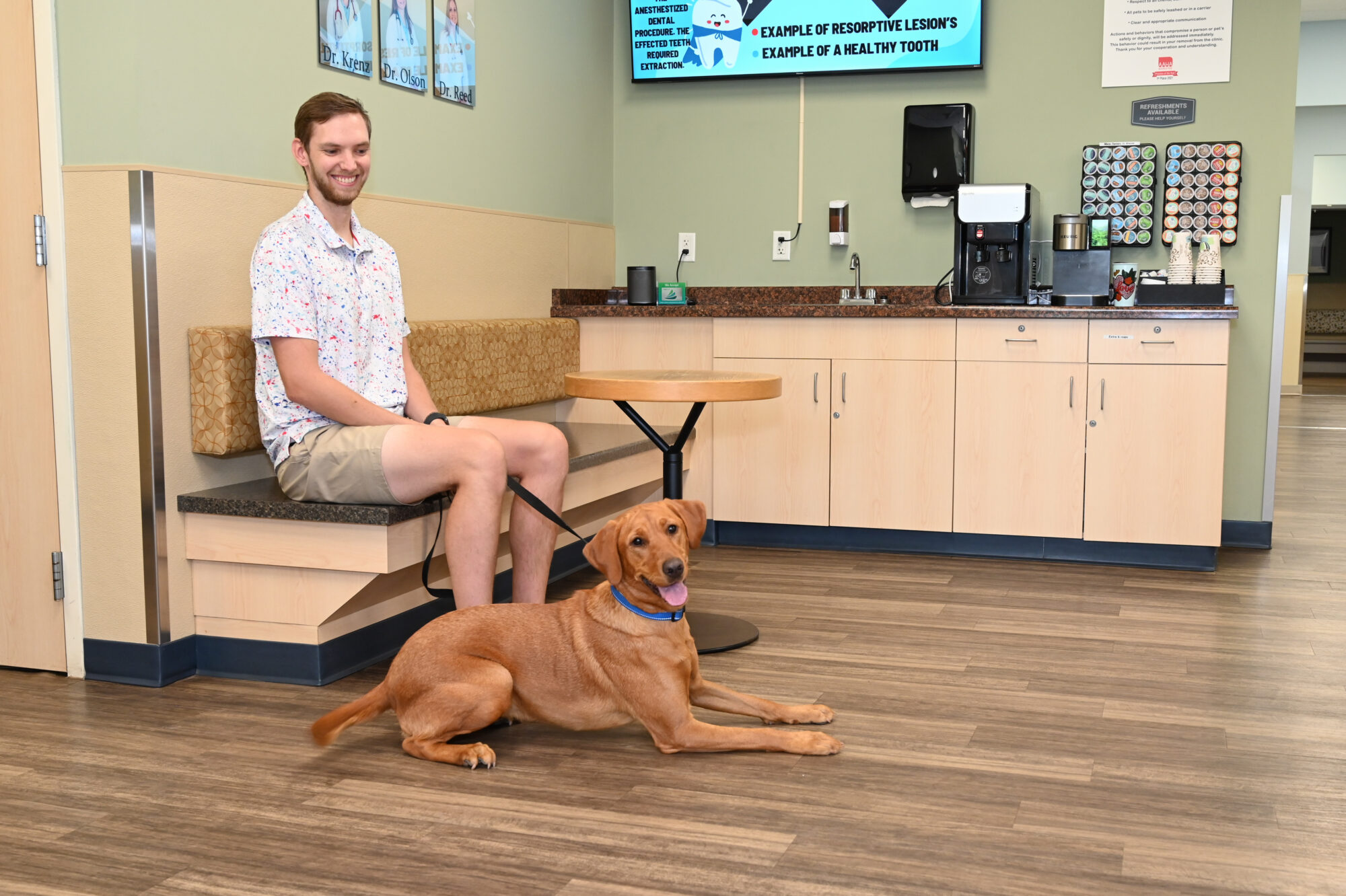
Once we complete the check-in process with you, your pet is brought into our treatment area where their surgical day begins.
Pre-Surgical Assessment
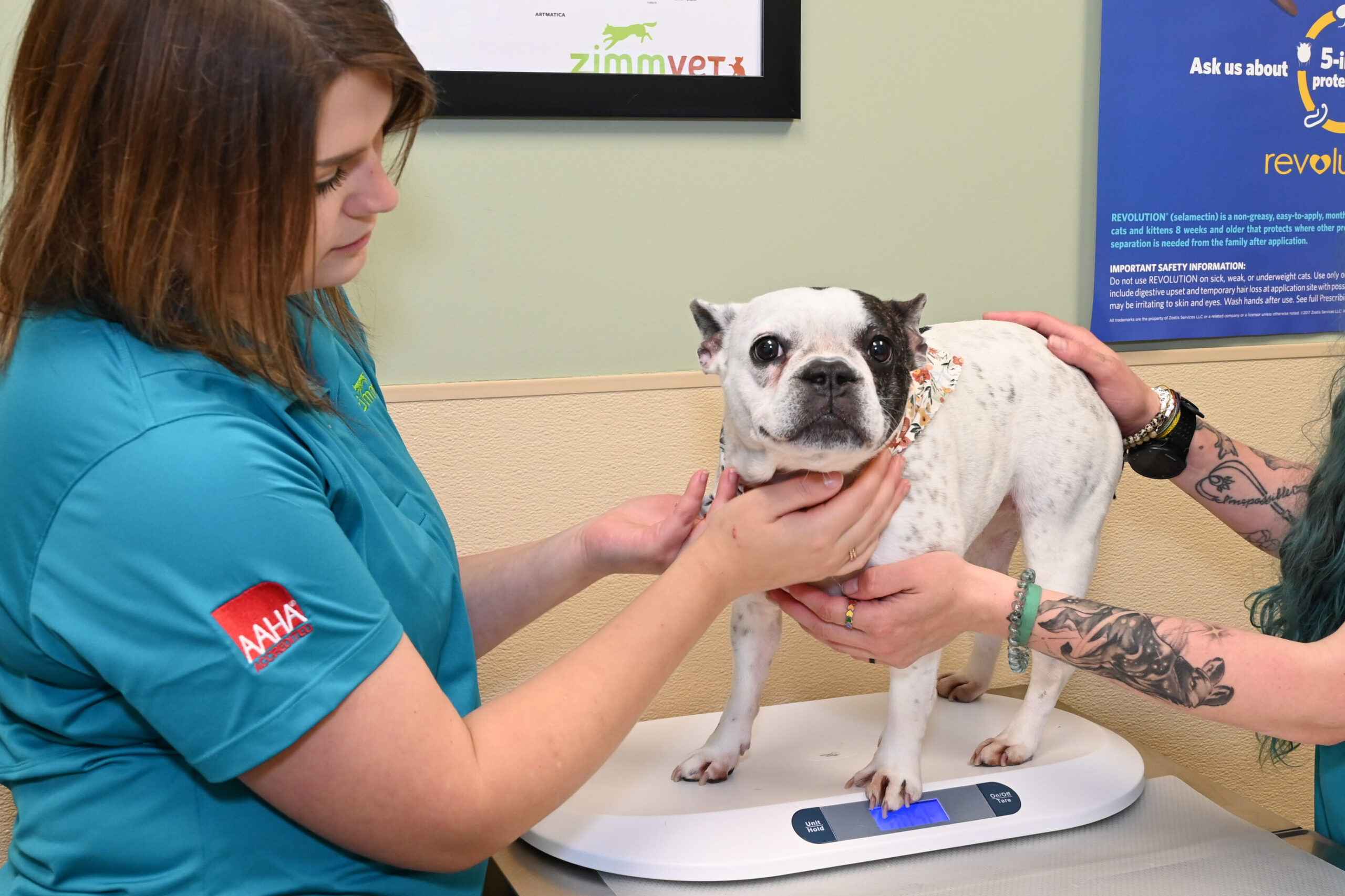
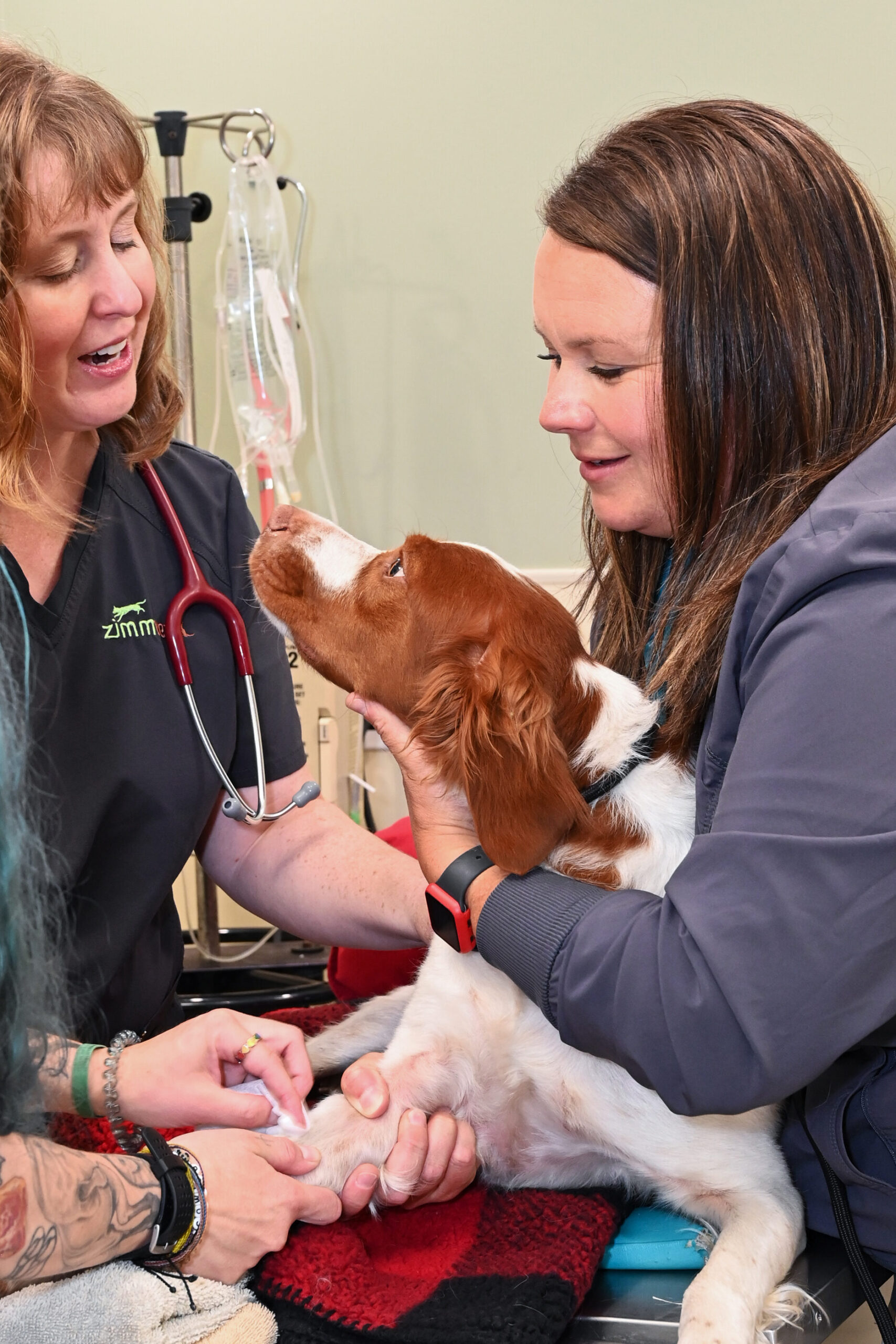
Our surgery technician starts by gathering your pet’s pre-surgical vitals, including weight, heart rate, respiratory rate, and temperature. One of our veterinarians then performs a thorough pre-surgical physical exam, which includes listening to the heart and lungs, checking lymph nodes, assessing gum color, and examining the eyes and ears. This step helps ensure your pet is healthy and ready for anesthesia.
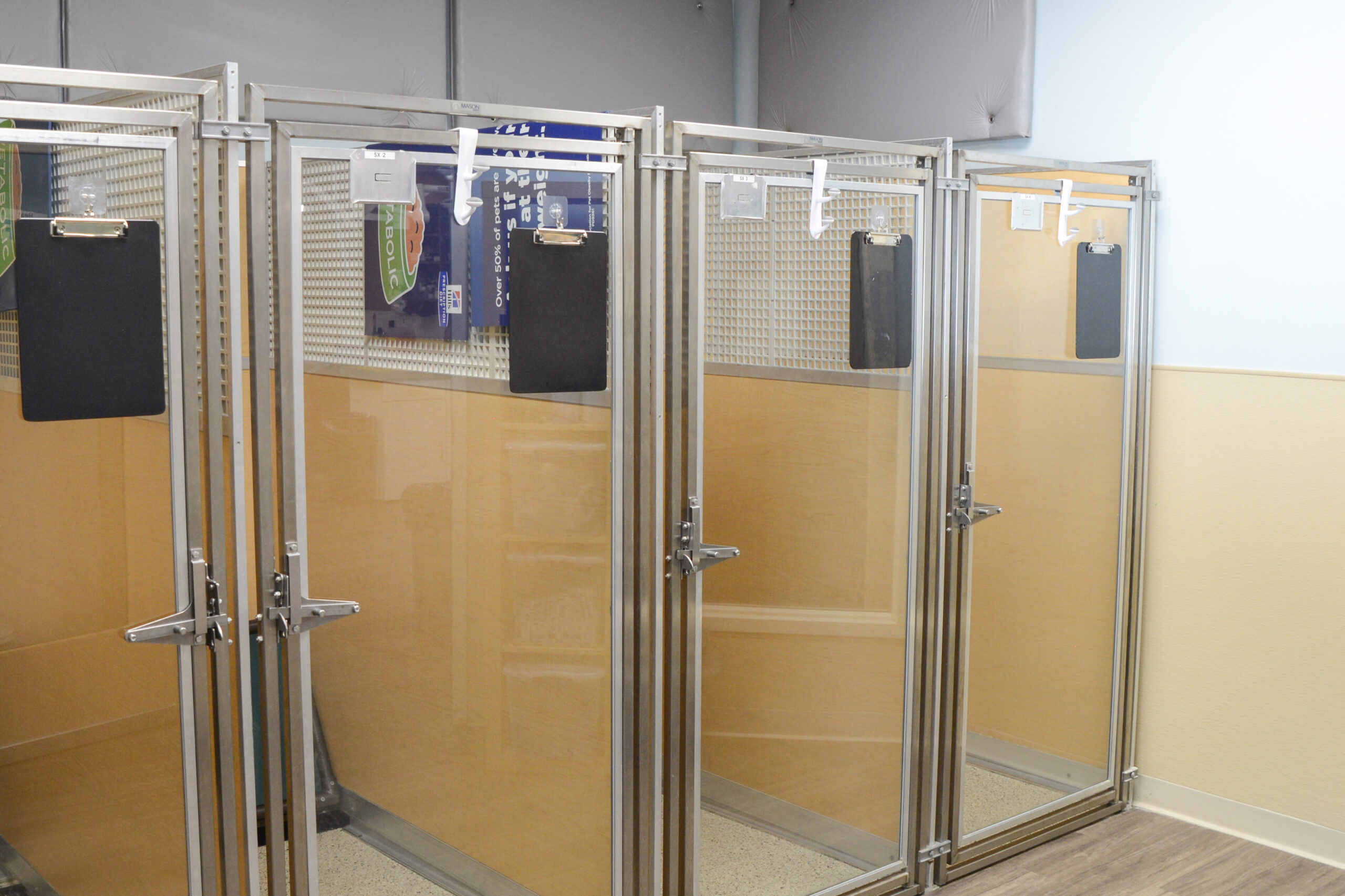
After their exam is complete, your pet is settled into a secure kennel or kennel run to relax before surgery.
Comfort & Preparation
Your pet’s comfort is a top priority. Their space is outfitted with soft, cozy blankets and warming devices as needed to help maintain body temperature. When it’s time to prepare for surgery, we place an IV catheter to allow safe administration of fluids and medications. Your pet is then given IV sedation, followed by placement of an endotracheal tube to keep their airway open and provide oxygen throughout the procedure.
The surgical area is carefully shaved and thoroughly disinfected using surgical-grade scrub solutions. A localized numbing anesthetic is also applied to the incision site to support pain control.
During Surgery
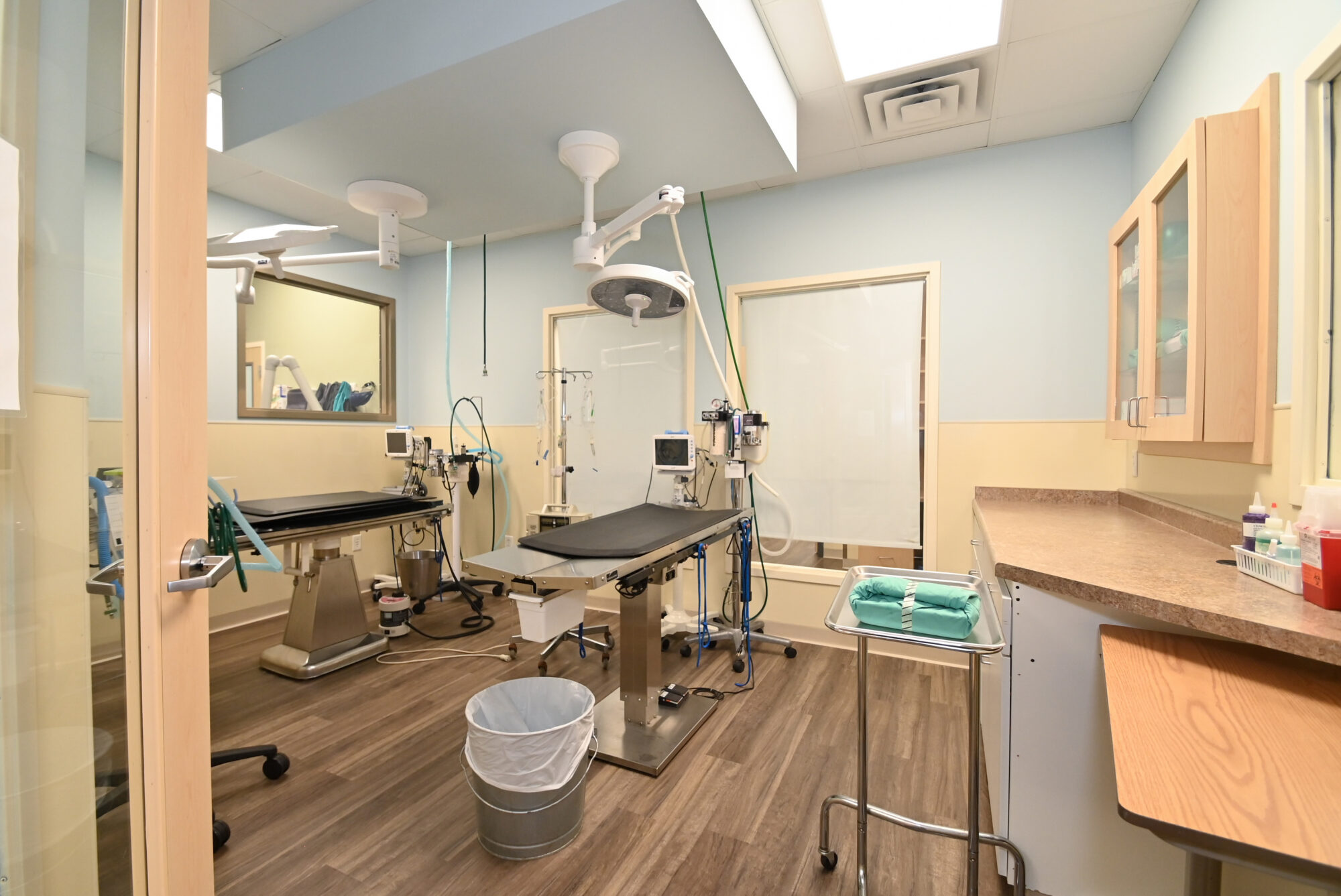
Your pet is moved into our sterile surgical suite and connected to advanced monitoring equipment. Throughout the procedure, we continuously monitor heart rate, temperature, blood pressure, oxygen saturation (SpO₂), and respiratory rate. Once final sterile preparation is complete, the veterinarian performs the surgery with patient safety and precision at the forefront.
Recovery & Monitoring
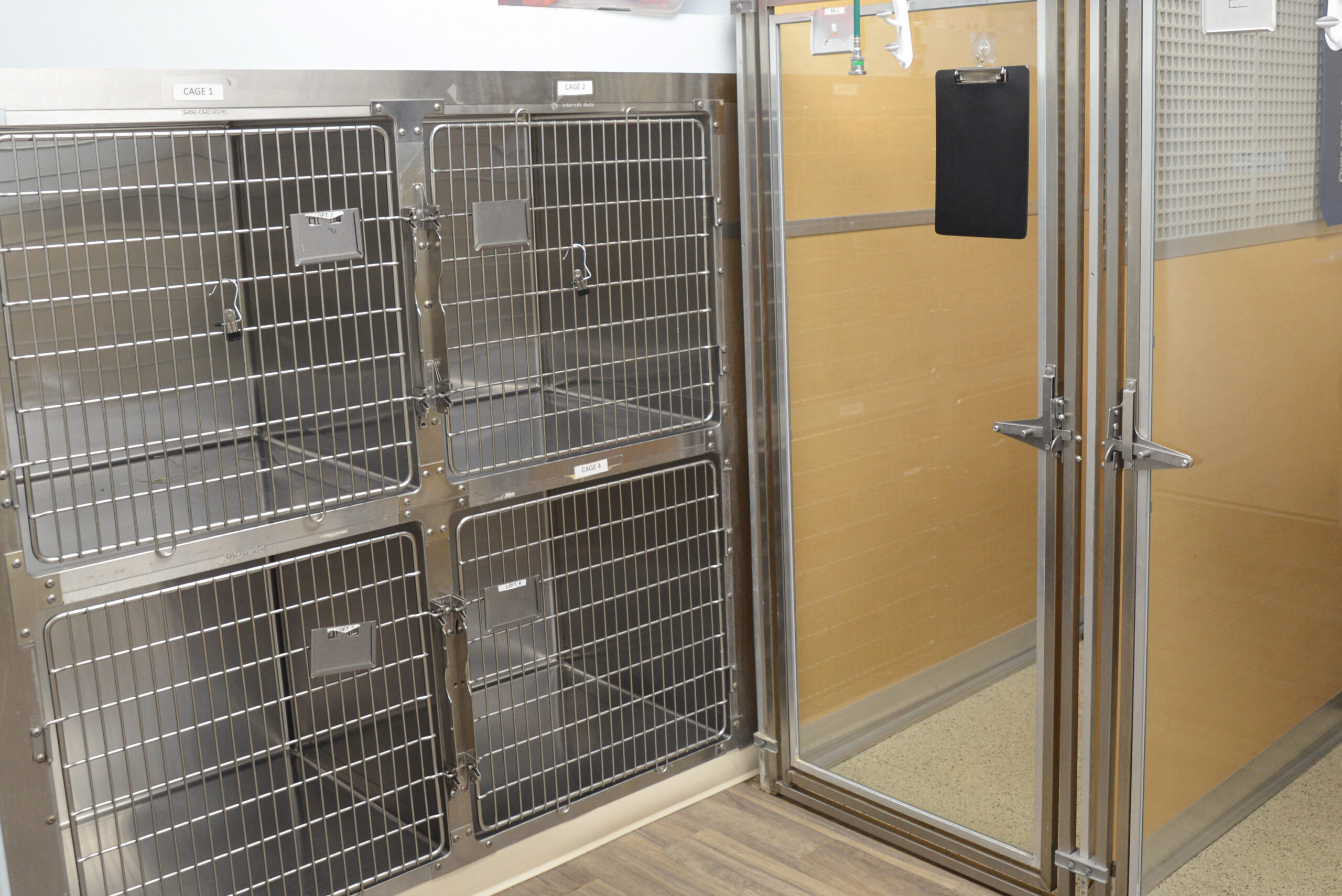
After surgery, your pet is returned to their kennel or kennel run for recovery. They are kept warm with heating devices if needed and snuggled into plenty of soft blankets while being closely monitored. Our surgery recovery suite features dimmable lighting and calming pet music to create a peaceful, low-stress environment as they wake up from anesthesia.
Heading Home
Once your pet is fully awake, we take them outside for a potty break, offer fresh water, and provide a light snack if appropriate. When they’re alert, comfortable, and acting like themselves again, they’re ready to head home.
At discharge, your pet will go home with their e-collar (if needed), post-operative pain medications, and detailed home-care instructions. Throughout their entire stay, your pet is treated like royalty — with frequent outside breaks, fresh water and food, cozy bedding, and an endless amount of love from our team.
Did You Know?
Minnesota Ticks Carry More Than Just Lyme Disease
For a long time, when you thought about ticks, you probably thought only of Lyme disease. Unfortunately, changes in climate and terrain have introduced new tick species—and with them, new diseases. The good news is there are many preventative measures you can take to protect your pets.
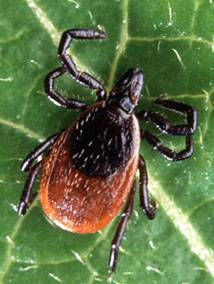
Minnesota is home to about a dozen different tick species. Fortunately, only three of those are known to carry disease. The American dog tick, commonly called the wood tick, is the most common species in our state. This tick can transmit Rocky Mountain spotted fever and tularemia—though it’s rare to find one that actually carries these diseases.
Next, we have the blacklegged tick, better known as the deer tick. This is the species most people associate with tick-borne illness, as it spreads both Lyme disease and anaplasmosis. Finally, Minnesota is also home to the Lone Star tick, which can transmit tularemia and ehrlichiosis. These persistent parasites can cause serious illness in both pets and people, making prevention especially important.
Ticks live, on average, two to three years. They must feed on blood to survive. In their first year, they prefer smaller mammals such as rodents or birds—often picking up disease-causing organisms that make them infectious for life. As they mature, they move on to larger mammals like pets, deer, and humans. A tick typically feeds for three to five days on a single host, but it can transmit disease in as little as 24 hours. Once full, it drops off and searches for its next host.
In Minnesota, ticks are most active from early spring through late fall. Even during winter, if temperatures rise above freezing or snow cover is light, ticks may still be active and searching for hosts. Before the first snowfall, female ticks lay hundreds to thousands of eggs, preparing the next generation for spring.
At ZimmVet, we see tick-borne diseases every day—whether as an incidental finding on annual lab screenings or in patients showing symptoms. We routinely diagnose Lyme disease, ehrlichiosis, and anaplasmosis. Symptoms can vary widely and may include muscle or joint pain (causing limping, stiffness, or lethargy), loss of appetite, high fever, and even bleeding disorders. Once the disease enters the body, it begins attacking your pet from the inside out.
Treatment depends on the severity of infection. Some pets require hospitalization with IV fluids, antibiotics, and round-the-clock veterinary care. Others can recover at home with prescribed medications and rest. Regardless, these diseases are painful, can be costly to treat, and are far easier to prevent than to cure.

Thankfully, prevention is simple. At ZimmVet, we carry Simparica Trio®, a once-monthly oral medication proven to prevent heartworm, intestinal parasites, fleas, ticks, and Lyme disease transmission. When paired with the annual Lyme vaccine, your pet has excellent protection against tick-borne infections.
Year-round prevention is the best way to keep your pet safe. With consistent protection, your pet won’t be an easy target for the next hungry tick!
