
Posts in Category: ZimmVet News & Events
Why Choosing an AAHA-Accredited Veterinary Hospital Matters
When it comes to your pet’s health, you want more than just good care—you want the highest standard of care. That’s exactly what the American Animal Hospital Association (AAHA) Accreditation represents.
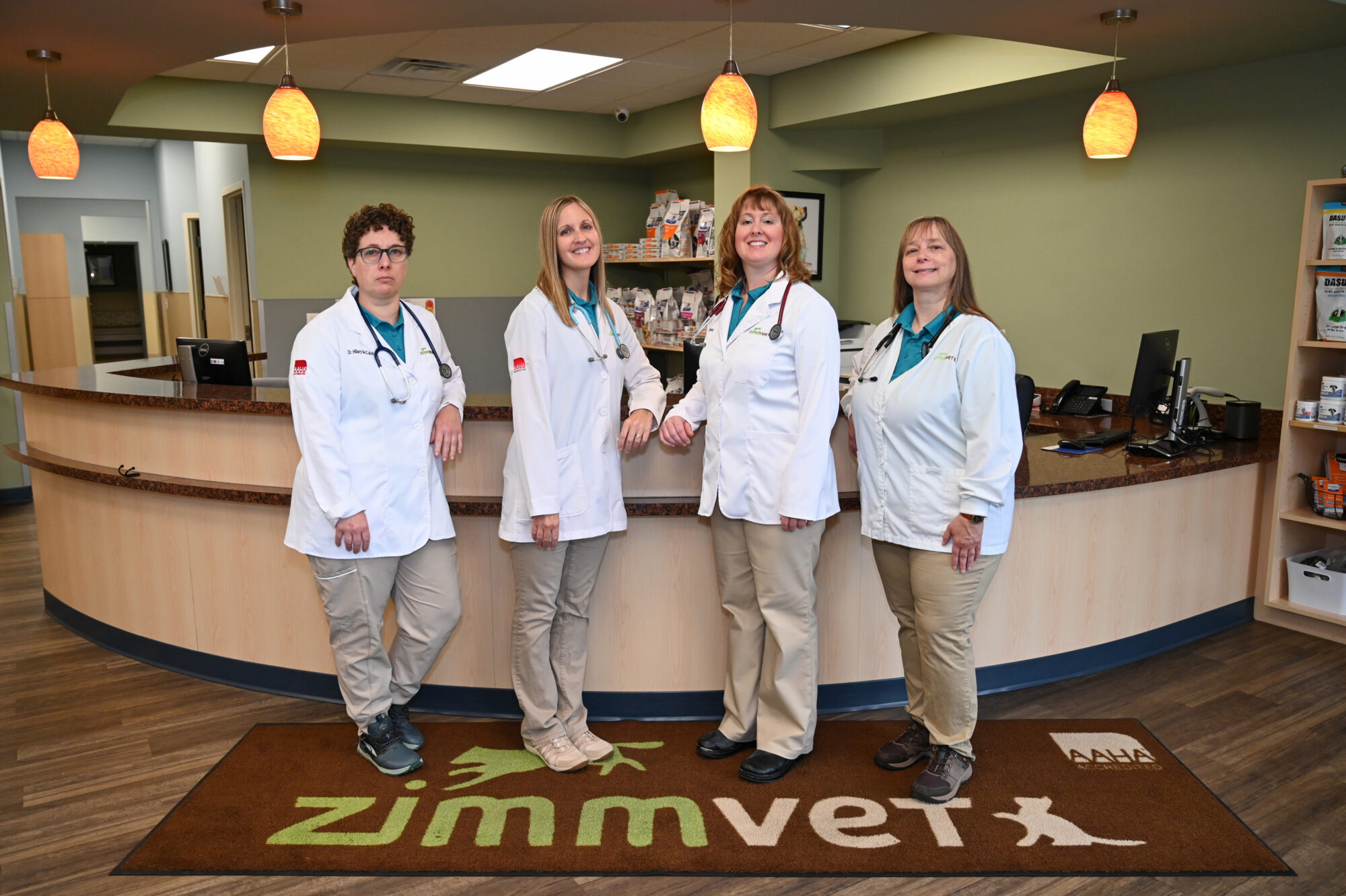
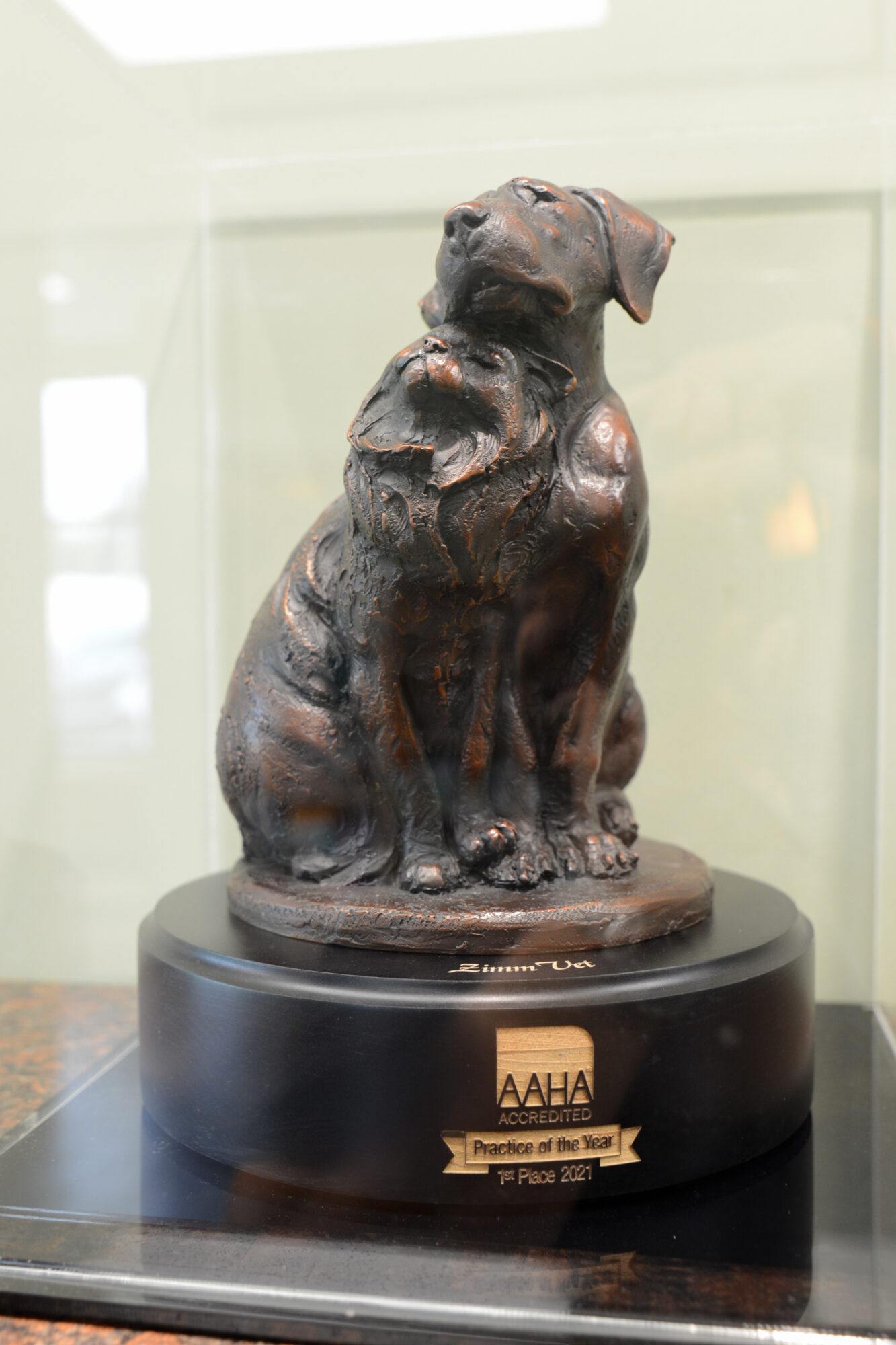
At ZimmVet, we are proud to be an AAHA-accredited veterinary hospital and even more honored to have been named the 2021 AAHA Veterinary Practice of the Year. This recognition reflects our ongoing commitment to providing exceptional medicine, compassionate care, and an outstanding experience for both our patients and their families.
But what does AAHA Accreditation actually mean, and why should it matter to you?
What Is AAHA?
The American Animal Hospital Association (AAHA) is the only organization in the United States and Canada that accredits companion animal veterinary hospitals.
Unlike human hospitals, veterinary clinics are not required to become accredited. Accreditation is entirely voluntary and requires a hospital to undergo a comprehensive evaluation by veterinary professionals.
Only a small percentage of veterinary hospitals achieve and maintain AAHA Accreditation, making it a meaningful distinction that demonstrates a commitment to excellence.
What Does Accreditation Mean?
AAHA-accredited hospitals are evaluated on hundreds of standards that cover nearly every aspect of veterinary medicine and hospital operations. These standards are regularly updated to reflect the latest advancements in veterinary medicine and best practices.
Areas evaluated include:
- Patient safety
- Anesthesia and pain management
- Surgery and surgical protocols
- Dental care
- Pharmacy procedures
- Diagnostic imaging
- Laboratory services
- Infection control
- Medical record keeping
- Continuing education
- Equipment maintenance
- Client communication
- Emergency preparedness
- Team training and hospital cleanliness
These aren’t just recommendations—they are measurable standards that hospitals must consistently meet to maintain accreditation.
Why Does This Matter for Your Pet?
Your pet deserves the same level of attention to detail that you would expect in human healthcare.
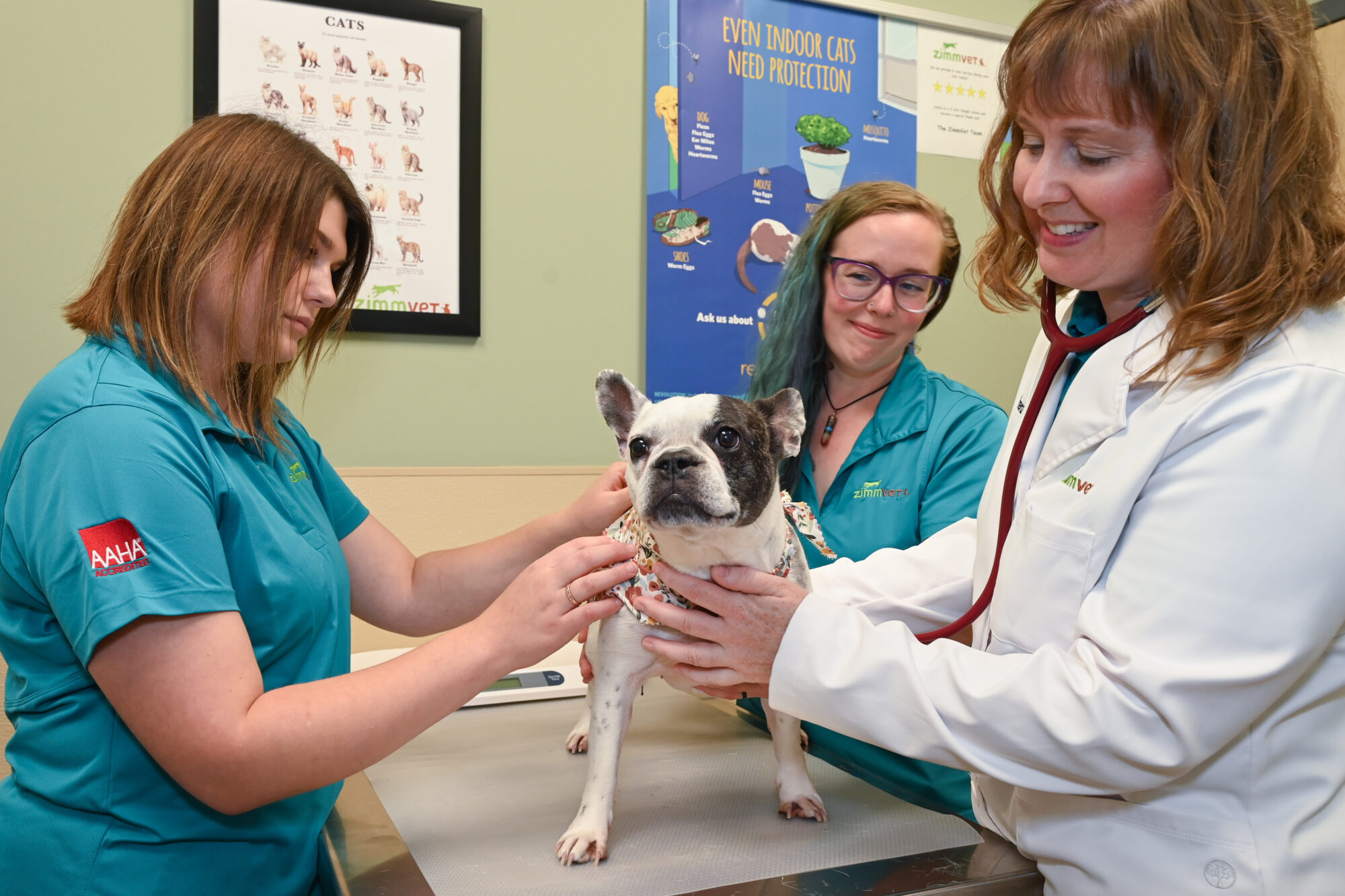
When you visit an AAHA-accredited practice, you can feel confident knowing that your pet benefits from:
Consistent High Standards
Every member of the veterinary team follows established protocols designed to provide safe, consistent, and effective medical care.
Advanced Patient Safety
From anesthesia monitoring to sterilization procedures and medication handling, every step is carefully designed to minimize risk and maximize patient comfort.
Current Medical Practices
AAHA standards evolve alongside veterinary medicine, meaning accredited hospitals continually update their protocols based on the latest research and recommendations.
Ongoing Staff Education
Veterinary medicine changes rapidly. AAHA accreditation encourages continual learning so doctors and staff stay current on new treatments, technology, and best practices.
Quality You Can Trust
Accreditation isn’t something earned once and forgotten. Hospitals are regularly re-evaluated to ensure they continue meeting AAHA’s rigorous standards year after year.
Going Above and Beyond
Choosing accreditation means choosing to hold ourselves to a higher standard—even when no one is watching.
Maintaining AAHA Accreditation requires significant investment in equipment, training, protocols, and continuing education. It takes dedication from every member of our team because we believe your pets deserve nothing less.
While many veterinary hospitals provide excellent care, AAHA Accreditation offers an additional level of confidence that your veterinary team has voluntarily committed to meeting nationally recognized standards of excellence.
The ZimmVet Difference
At ZimmVet, AAHA Accreditation isn’t simply a plaque on the wall—it’s part of how we practice medicine every single day.
Whether your pet is here for a routine wellness exam, surgery, dental procedure, diagnostic testing, or emergency care, our team follows carefully developed protocols designed to provide safe, compassionate, and high-quality care.
As a privately and locally owned practice, we’re proud to combine personalized service with the highest standards in veterinary medicine. Our accreditation reflects the dedication of every doctor, technician, assistant, customer service representative, and support staff member who works together to give your pets the care they deserve.
Trusting Your Pet’s Care
Your pets are family, and choosing a veterinary hospital is one of the most important decisions you’ll make for them.
When you choose an AAHA-accredited hospital, you’re choosing a practice that has voluntarily gone above and beyond to demonstrate its commitment to quality, safety, and excellence.
At ZimmVet, we’re honored to provide that level of care to our community every day. If you have questions about AAHA Accreditation or would like to schedule an appointment, we’d love to welcome you and your pet.
Because every pet deserves exceptional care—and every family deserves peace of mind.
Leptospirosis: A Risk to Pets and People
By Dr. Maria Krenz, DVM – ZimmVet
763-856-4848
Leptospirosis is a serious infectious disease that can affect dogs, other animals, and people. It is caused by spiral-shaped bacteria called Leptospira, which thrive in water and warm, wet soil. While leptospirosis has existed for many years, veterinarians are seeing an increase in cases across both rural and urban areas.
Because this disease can spread from animals to humans, prevention and awareness are very important.
How Pets Become Infected
Leptospirosis is spread through the urine of infected animals. The bacteria can survive in contaminated water or soil for weeks to months, especially in warm and moist environments.
Humans and animals can become infected through contact with:
- Contaminated water or soil
- Urine from infected animals
- Contaminated body fluids (excluding saliva)
The bacteria enter the body through the eyes, nose, mouth, or broken skin such as cuts or scratches. Drinking contaminated water can also cause infection.
Infected animals may continue shedding the bacteria into the environment for months or even years.
Pets are commonly exposed when they:
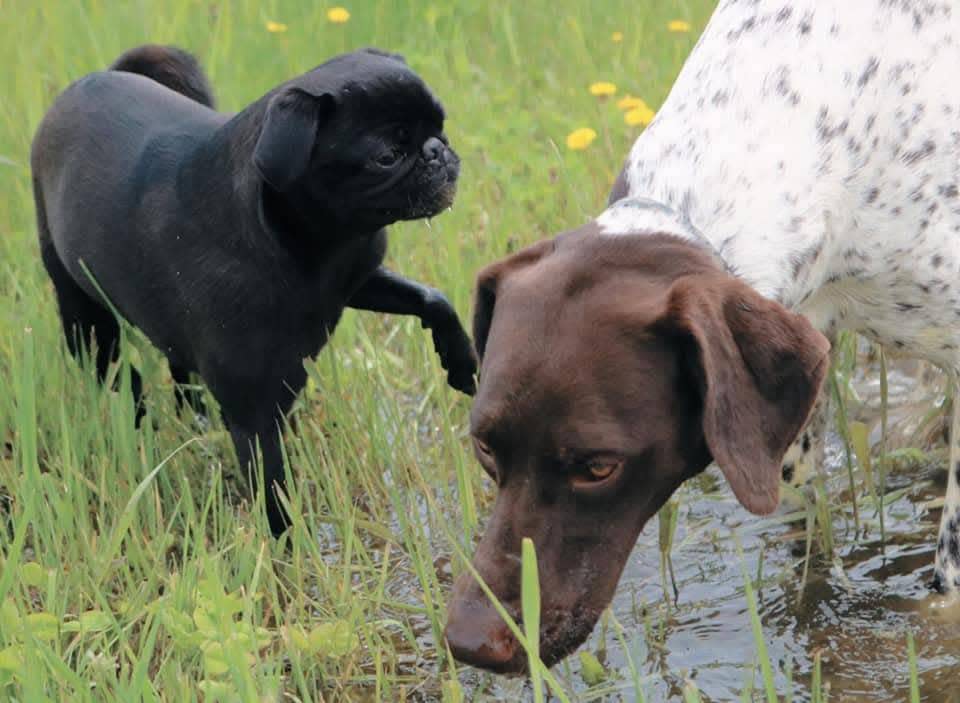
- Drink from puddles, ponds, or standing water
- Swim or walk through contaminated water
- Encounter infected wildlife such as raccoons, skunks, squirrels, opossums, or deer
As residential development expands into previously rural areas, pets are coming into closer contact with wildlife carriers of leptospirosis. Dogs can also spread the disease to other dogs and potentially to people.
Signs of Leptospirosis in Dogs
The signs of leptospirosis can vary greatly and are often nonspecific, meaning they can resemble many other illnesses. Some infected pets may not show symptoms at all.
Common signs include:
- Fever
- Vomiting
- Diarrhea
- Abdominal pain
- Loss of appetite
- Severe weakness or depression
- Muscle pain or stiffness
- Difficulty walking
- Dehydration
- Kidney or liver failure
Leptospirosis can also affect reproduction and may cause pregnancy loss or infertility.
Younger dogs, especially those under one year of age, tend to develop more severe disease. Studies show that 87–100% of infected dogs experience some degree of kidney dysfunction.
Treatment
Leptospirosis is typically treated with antibiotics, most commonly doxycycline. Many pets also require supportive care such as:
- Intravenous fluids
- Medications for nausea or pain
- Hospitalization
- Monitoring of kidney and liver function
Unfortunately, severe infections can cause permanent damage to the kidneys or liver, and some pets may not survive despite treatment.
Early diagnosis and treatment greatly improve the chances of recovery.
Prevention
Vaccination is one of the best ways to protect dogs from leptospirosis.
In 2022, the American Animal Hospital Association (AAHA) updated its guidelines to recommend leptospirosis vaccination for all dogs, regardless of lifestyle or geographic location.
Previously, hunting and farm dogs were considered most at risk. We now know that any dog spending time outdoors may be exposed, including dogs living in suburban and urban environments.
The vaccine:
- Protects against four major strains (serovars) of leptospirosis
- Is often included with routine distemper combination vaccines
- Requires annual boosters for continued protection
Currently, there is no approved leptospirosis vaccine for cats.
Why This Matters
Leptospirosis is becoming increasingly common in the Zimmerman area and throughout Minnesota. Because the disease can spread to people, protecting your dog also helps protect your family.
If your dog spends time outdoors—even briefly—it may be at risk.
Talk with your veterinarian about whether leptospirosis vaccination is appropriate for your pet.
Learn More
CDC Fact Sheet on Leptospirosis:
https://www.cdc.gov/leptospirosis/pets/index.html
Disclaimer:
This article is intended for educational purposes only and should not be considered medical advice. Always consult your veterinarian regarding your pet’s health and medical care.
What is Pet Insurance and How does it Work?
By Dr. Maria Krenz, DVM – ZimmVet-763-856-4848
Pet insurance is becoming commonplace. The purchase of pet insurance has been growing about 20% each year. 2025 was another record year for pet insurance enrollment. Having pet insurance allows pet owners to provide the needed care for their furry friends, especially during times of unexpected illness or accidents. There are 20 major pet insurance companies in the United States. In this article, we will discuss the difference between insurance plans and items to be aware of.
Reimbursement plans
All pet insurance companies either use a percentage of the invoice or a benefit schedule to calculate reimbursement.
With pet insurance, the pet owner pays the veterinary clinic at the time of service. The pet owner then submits receipts and needed paperwork to the pet insurance company. The pet owner then is reimbursed from the insurance company.
- Percentage of the Invoice: The insurance company covers a percentage of the total bill. This is usually after a deductible is met. Some companies have a set percentage while others let you pick from a couple percentages (70%, 80%, 90%) based on your budget.
Example: You met your deductible, and your plan reimburses 80% for illnesses. Your pet has an ear infection, and your total bill is $250. You are reimbursed $200 from the insurance company.
Pets Best petsbest.com is an example of an insurance company that is a percentage of the invoice.
- Benefit Schedule: Reimbursement is capped at a set amount for each condition per year.
Example: Your pet has an ear infection, and your total bill is $250. Your insurance company allows up to $400 per year for skin/ear infections. You would get $250 reimbursed. If your pet has another ear infection that year you would be reimbursed $150 since the maximum per year is $400 total.
Nationwide petinsurance.com is a common insurance with a benefit schedule

Types of Coverage
There are different coverage options and different insurance companies have different terminology. It is important to read the details of what they include. Here are some common examples:
- Accident: This is usually a low-cost option that covers unforeseen accidents such as broken legs and trauma.
- Illness: This covers sickness such as ear infections, skin infections, urinary tract infections. It may not cover hereditary conditions or joint conditions such as hip dysplasia or a torn cruciate.
- Wellness: This covers wellness items such as exams, routine lab tests, vaccinations, heartworm, routine surgeries, and dental cleanings as well as flea and tick medication. It is usually something you can add on to a medical plan.
- Whole Pet: Many companies have combination plans that cover both Accident & Illness and may have options to cover hereditary or joint conditions. Often high-expense care such as cancer care may also be an added cost.
Items to be aware of
It is always best to get pet insurance as soon as possible, ideally as a puppy. Insurance companies will not cover pre-existing conditions. There may be a waiting period where conditions are not yet covered. An example of a condition that commonly has a waiting period of 6-12 months is a torn cruciate ligament. Some insurance companies will not cover a pet over a certain age, but others will cover any age pet. Some insurance companies have a deductible, in some cases you can choose the deductible amount based on your budget (example $500, $1000). It is very important that you read all the stipulations, so you are clear what is and what is not covered in your plan, deductibles, and reimbursement schedules.
Disclaimer: This written content is meant to be educational and is not medical advice. Always consult a veterinarian about medical advice for your pet.
When Should You Bring Your Senior Pet to the Vet?
As our pets grow older, their needs begin to change — sometimes subtly, sometimes quickly. Just like people, senior pets require a little extra attention to stay comfortable, healthy, and happy in their golden years. But how do you know when it’s time for a vet visit? Here’s what every pet owner should know about caring for a senior dog or cat.
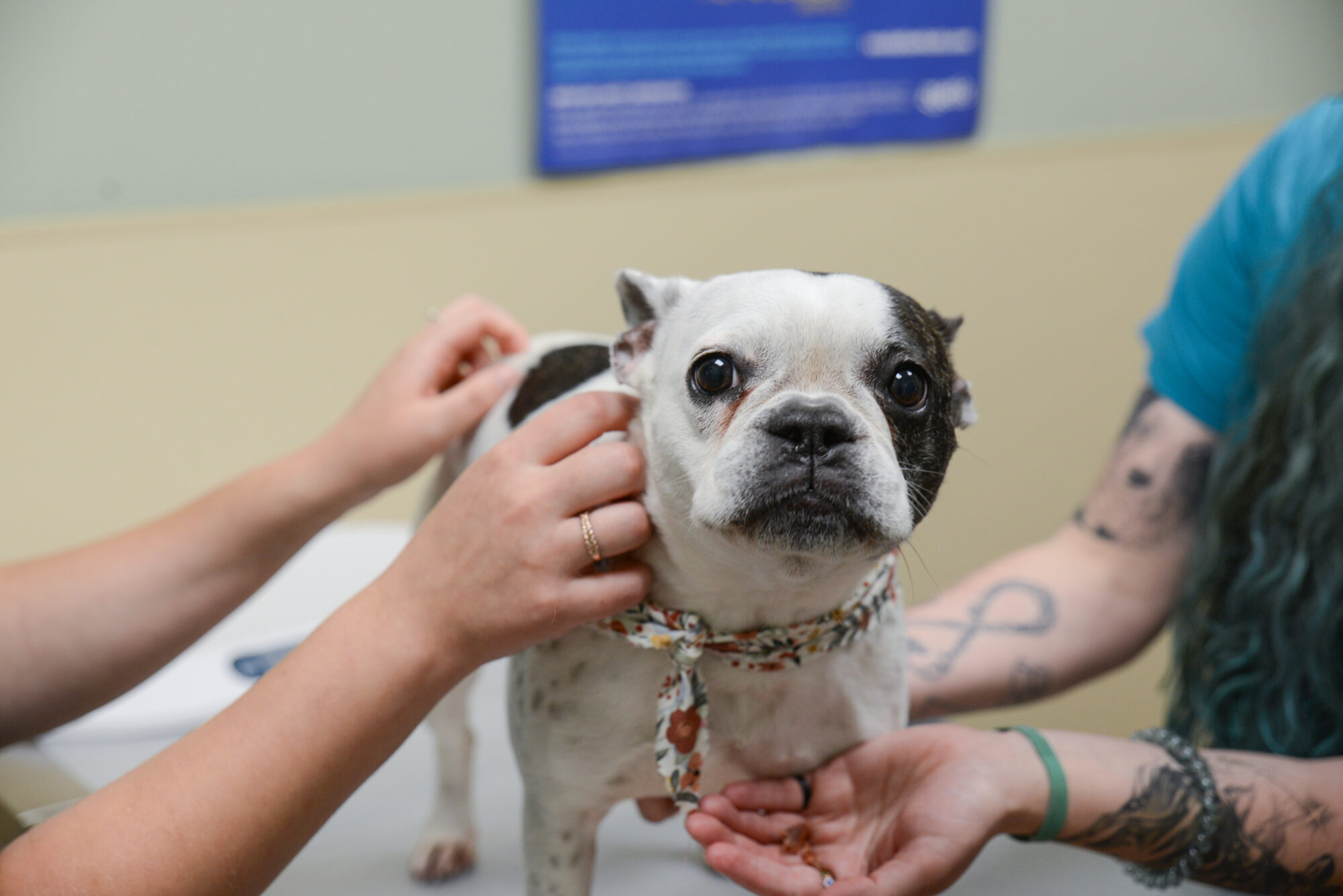
When Is a Pet Considered “Senior”?
Dogs: Around 7 years old (large breeds may be considered senior as early as 5–6).
Cats: Around 7 years old.
Even if your pet seems perfectly healthy, aging happens faster in pets than in humans. That’s why routine veterinary care becomes even more important during this stage of life.
How Often Should Senior Pets See the Vet?
For senior pets, we recommend twice-yearly physical exams. Seeing them every 6 months allows your veterinarian to detect subtle changes early — when treatment is often easier, mor effective, and less costly. These visits may include;
- Comprehensive physical exams
- Bloodwork, urinalysis
- Dental evaluation
- Weight and mobility assessments
- Discussion of behavior or lifestyle changes.
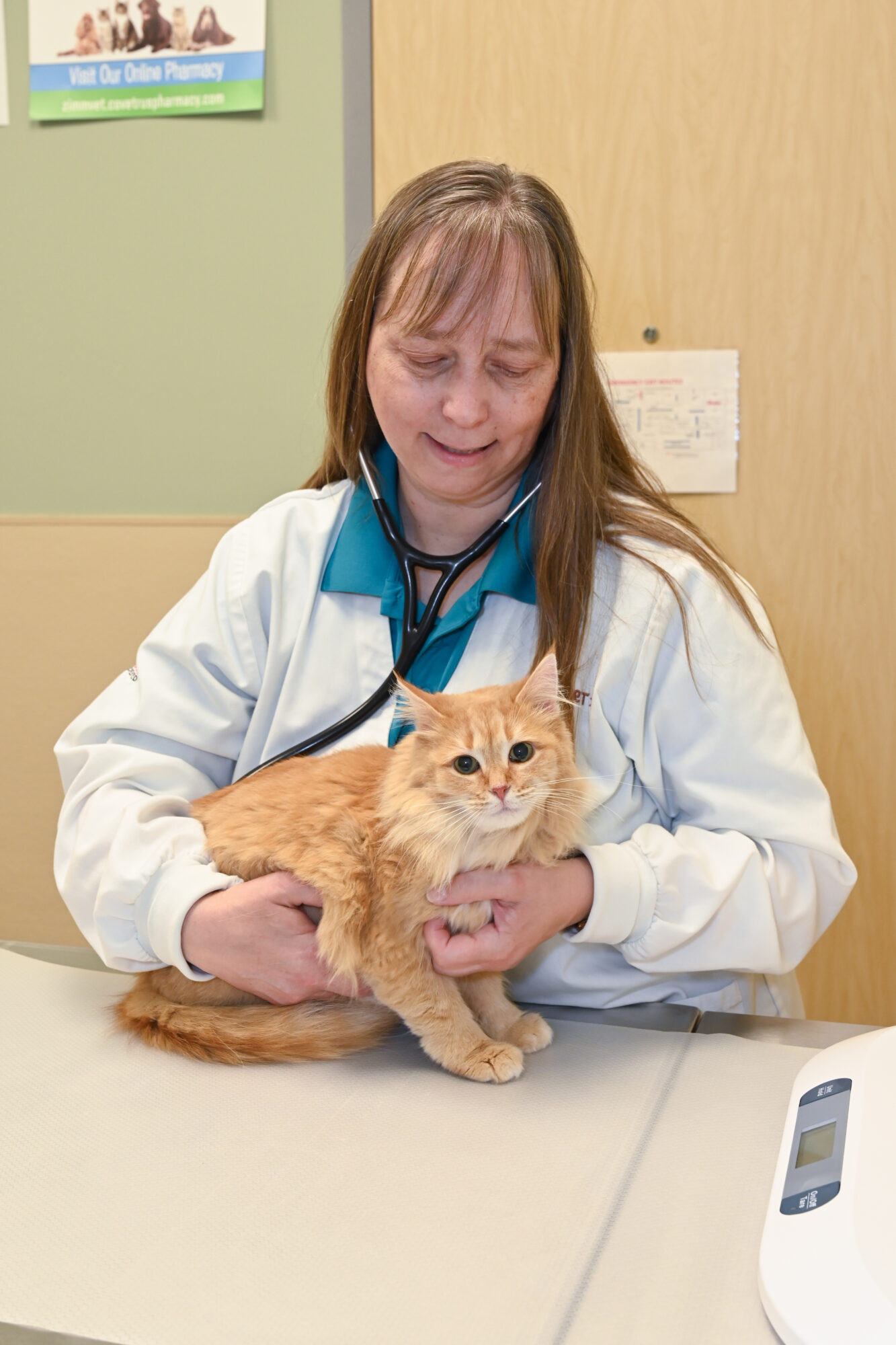
Signs Your Senior Pet Should Be Seen Sooner
- Changes in appetite or drinking
- Weight loss or gain
- Difficulty getting up, limping, or stiffness
- Behavior changes or confusion
- New lumps or bumps
- Bad breath or drooling
These changes may signal arthritis, kidney disease, diabetes, dental disease, thyroid conditions or other conditions.
Common Health Conditions in Senior Pets
Growths and masses, arthritis, kidney disease, diabetes, thyroid disease, heart disease, dental disease, and cancer are most common in senior pets. Early detection gives us more options to support your pet’s quality of life
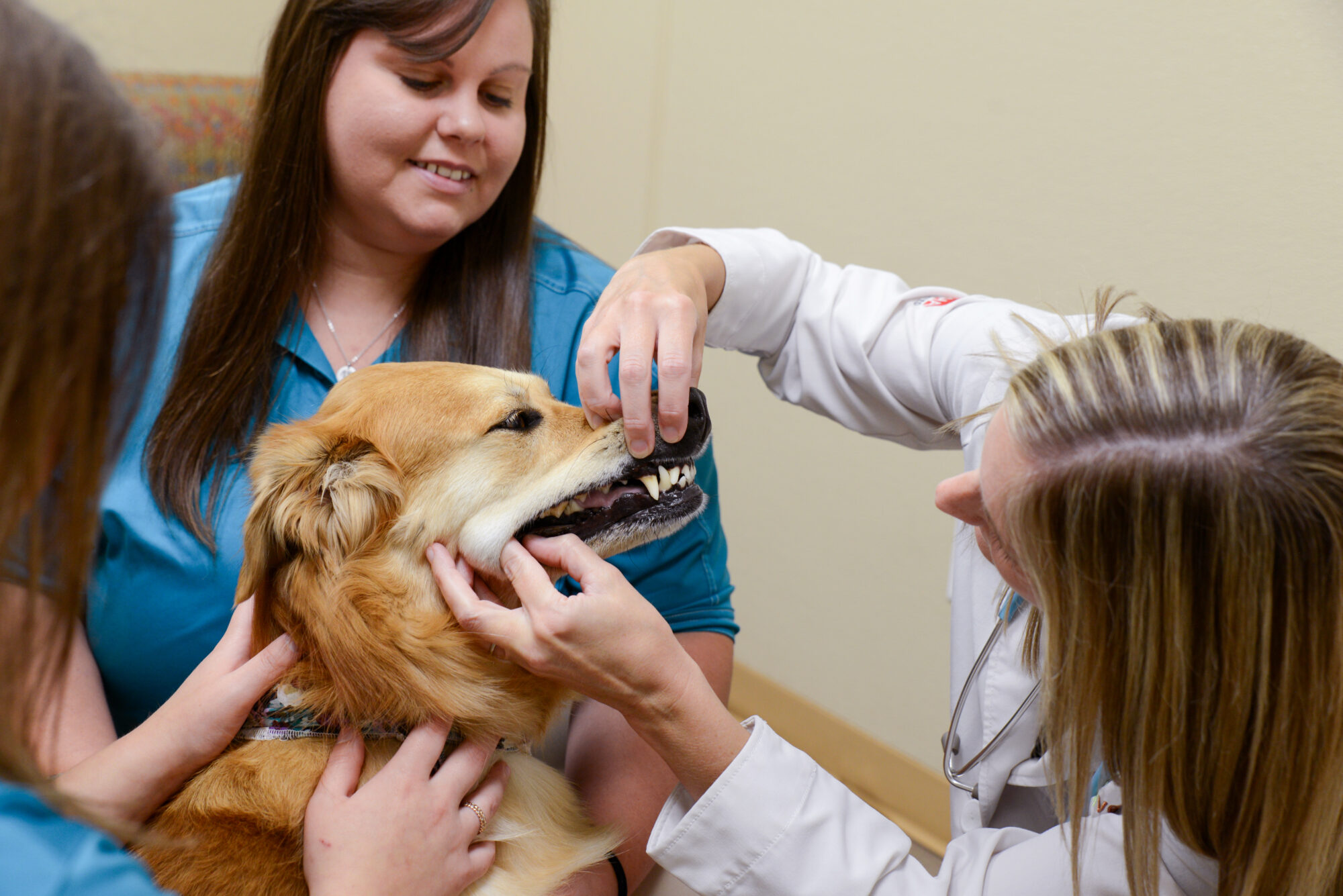
The Goal: Quality of Life
Senior care isn’t just about adding years to your pet’s life — it’s about adding life to their years.
With regular monitoring, pain management, nutritional adjustments, and early intervention, many senior pets continue to thrive well into their golden years.
When in Doubt, Call
You know your pet best. If something feels “off,” trust your instincts. Subtle changes are often the first signs that something needs attention. At ZimmVet, we’re here to partner with you through every stage of your pet’s life — especially the senior years. If your pet is entering their golden years, now is the perfect time to schedule a physical exam and create a proactive care plan.
What to Expect When You Drop Your Pet Off for Surgery at ZimmVet
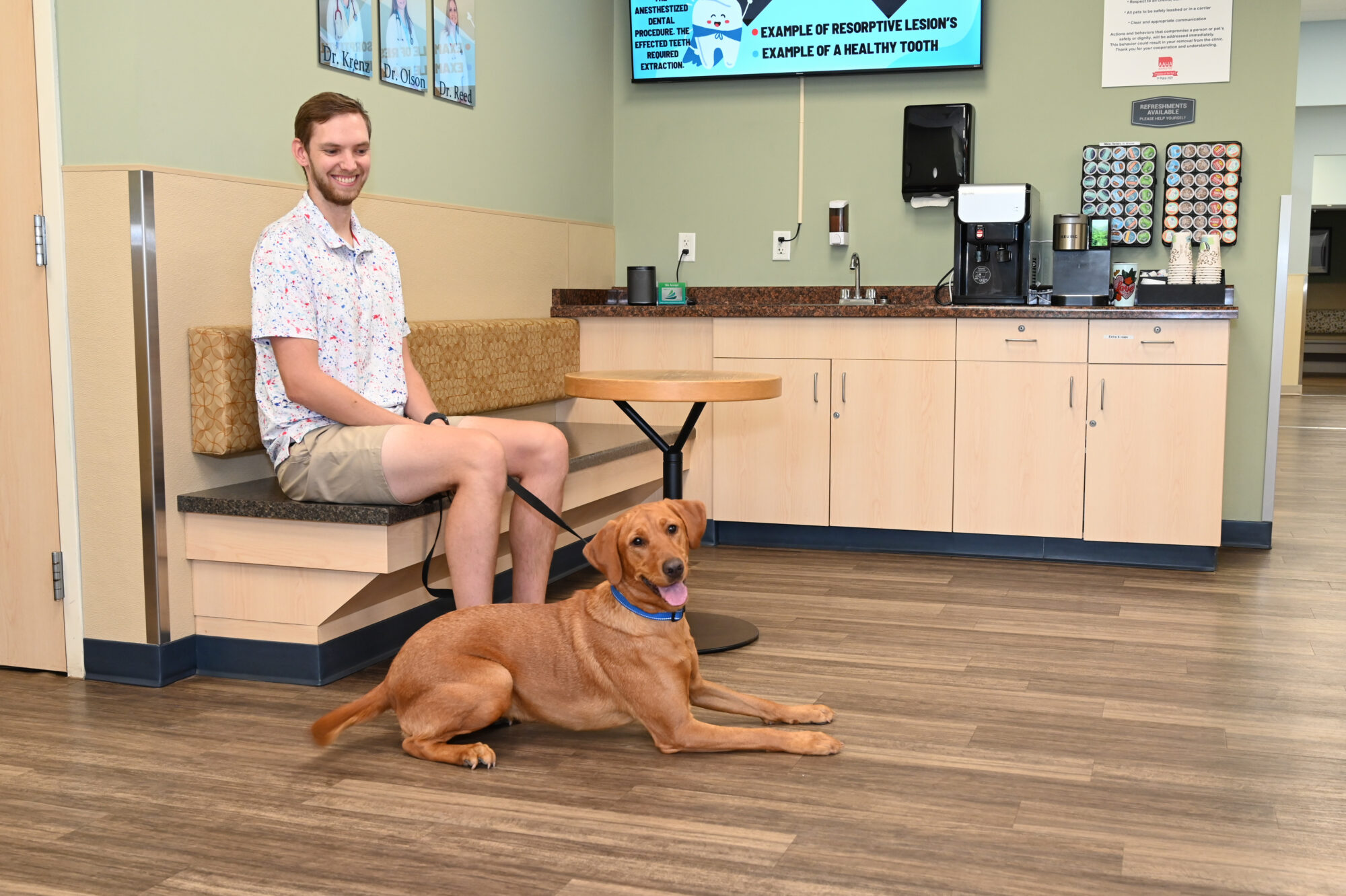
Once we complete the check-in process with you, your pet is brought into our treatment area where their surgical day begins.
Pre-Surgical Assessment
Our surgery technician starts by gathering your pet’s pre-surgical vitals, including weight, heart rate, respiratory rate, and temperature. One of our veterinarians then performs a thorough pre-surgical physical exam, which includes listening to the heart and lungs, checking lymph nodes, assessing gum color, and examining the eyes and ears. This step helps ensure your pet is healthy and ready for anesthesia.
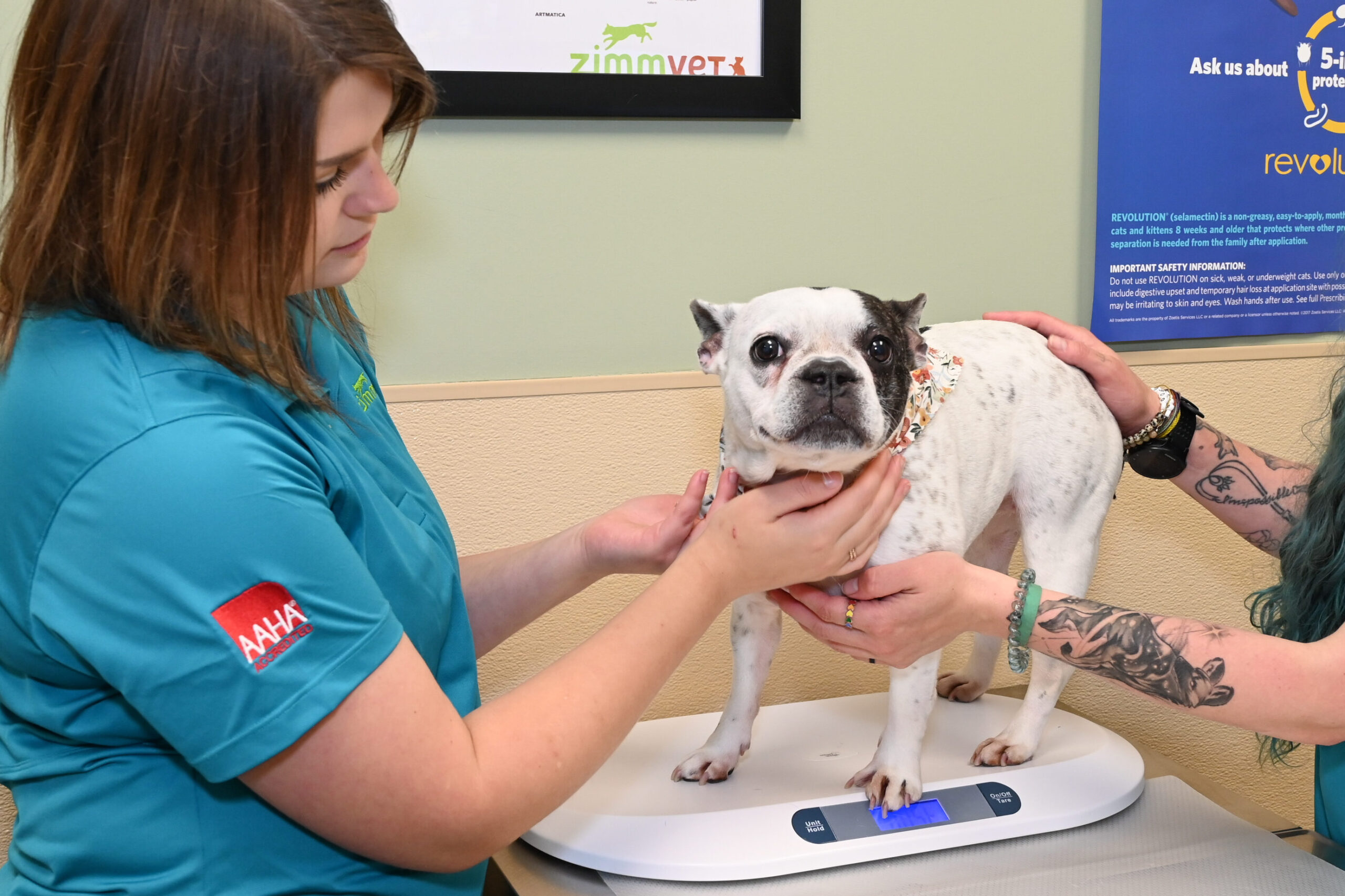
After their exam is complete, your pet is settled into a secure kennel or kennel run to relax before surgery.

Comfort & Preparation
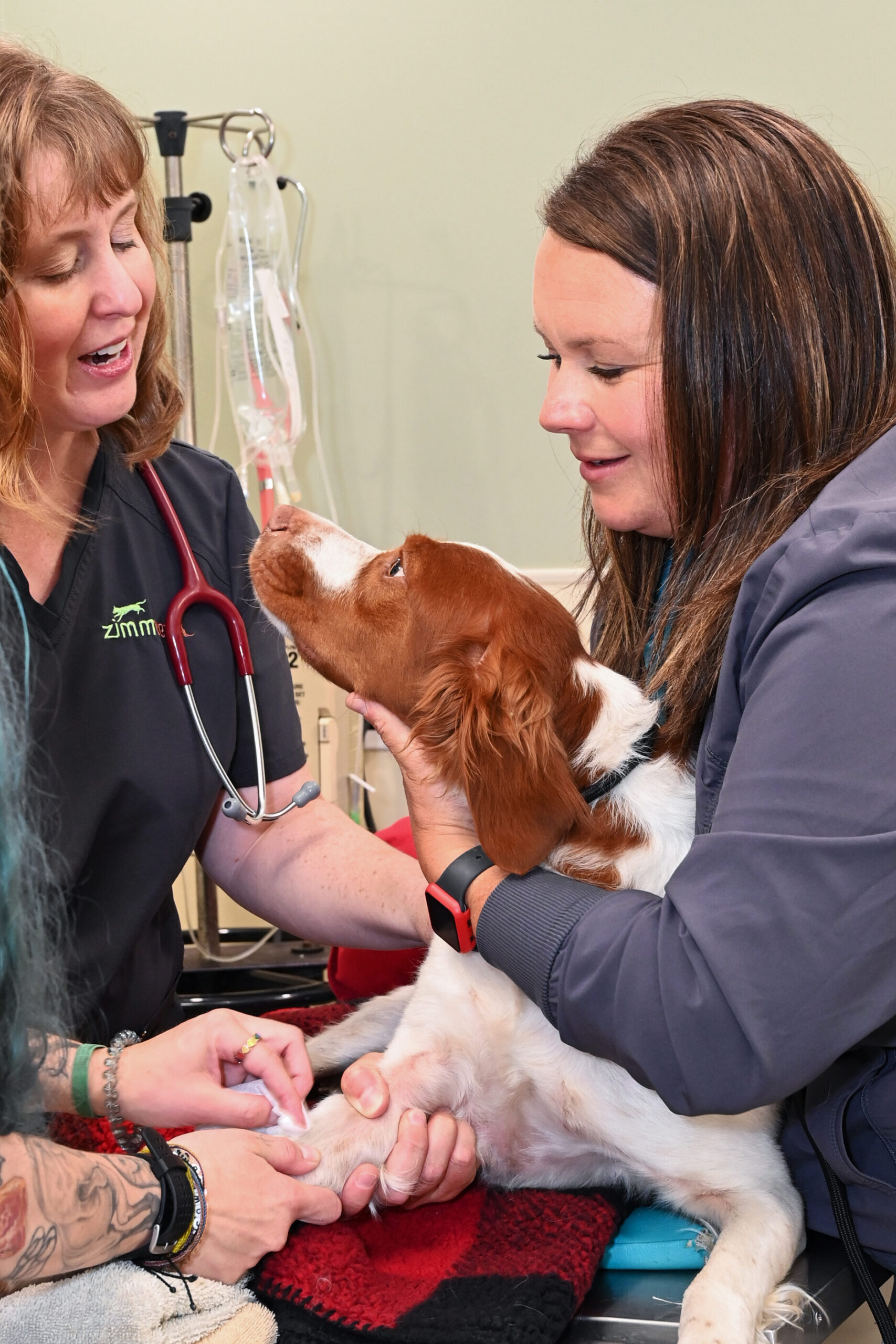
Your pet’s comfort is a top priority. Their space is outfitted with soft, cozy blankets and warming devices as needed to help maintain body temperature. When it’s time to prepare for surgery, we place an IV catheter to allow safe administration of fluids and medications. Your pet is then given IV sedation, followed by placement of an endotracheal tube to keep their airway open and provide oxygen throughout the procedure.
The surgical area is carefully shaved and thoroughly disinfected using surgical-grade scrub solutions. A localized numbing anesthetic is also applied to the incision site to support pain control.
During Surgery
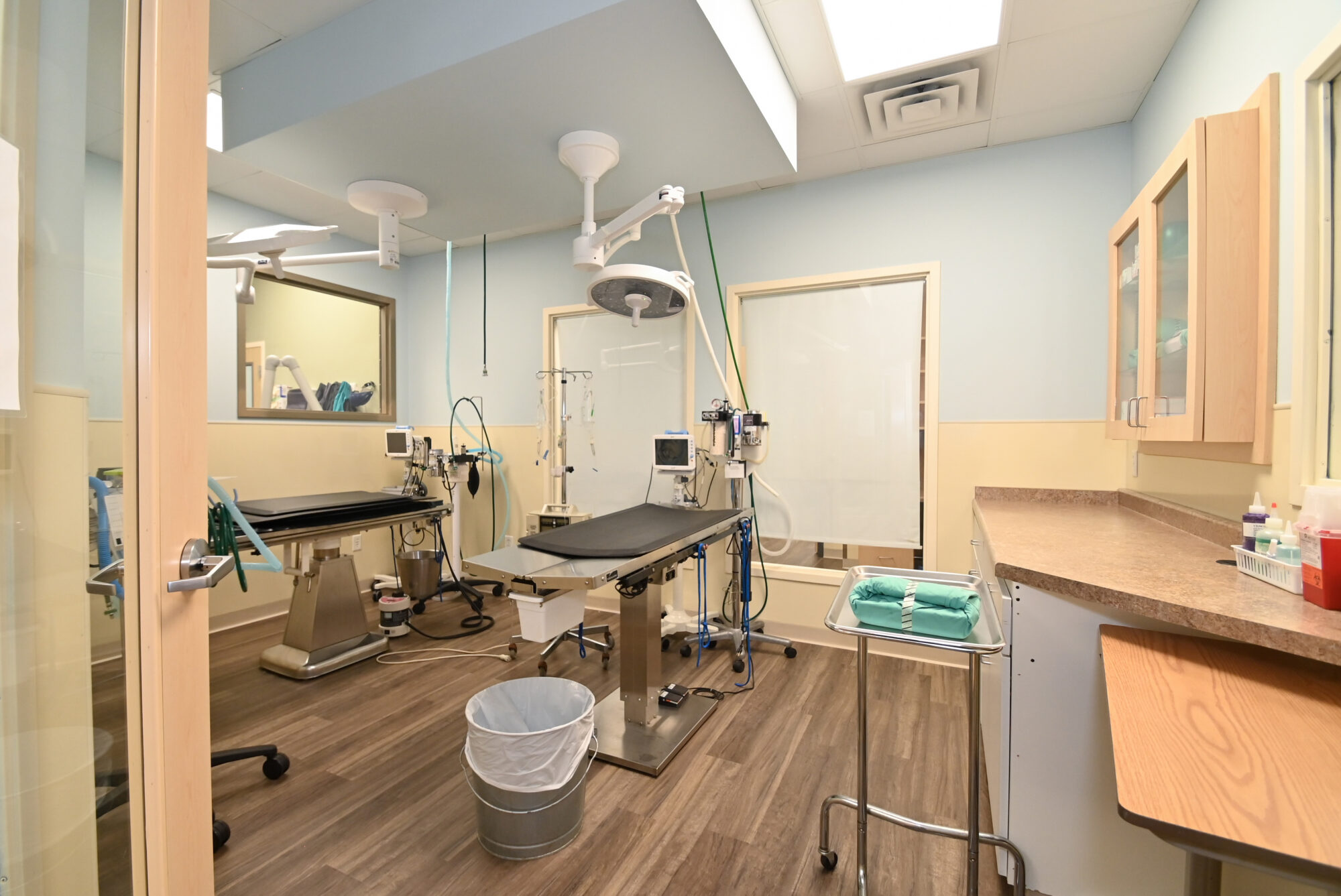
Your pet is moved into our sterile surgical suite and connected to advanced monitoring equipment. Throughout the procedure, we continuously monitor heart rate, temperature, blood pressure, oxygen saturation (SpO₂), and respiratory rate. Once final sterile preparation is complete, the veterinarian performs the surgery with patient safety and precision at the forefront.
Recovery & Monitoring
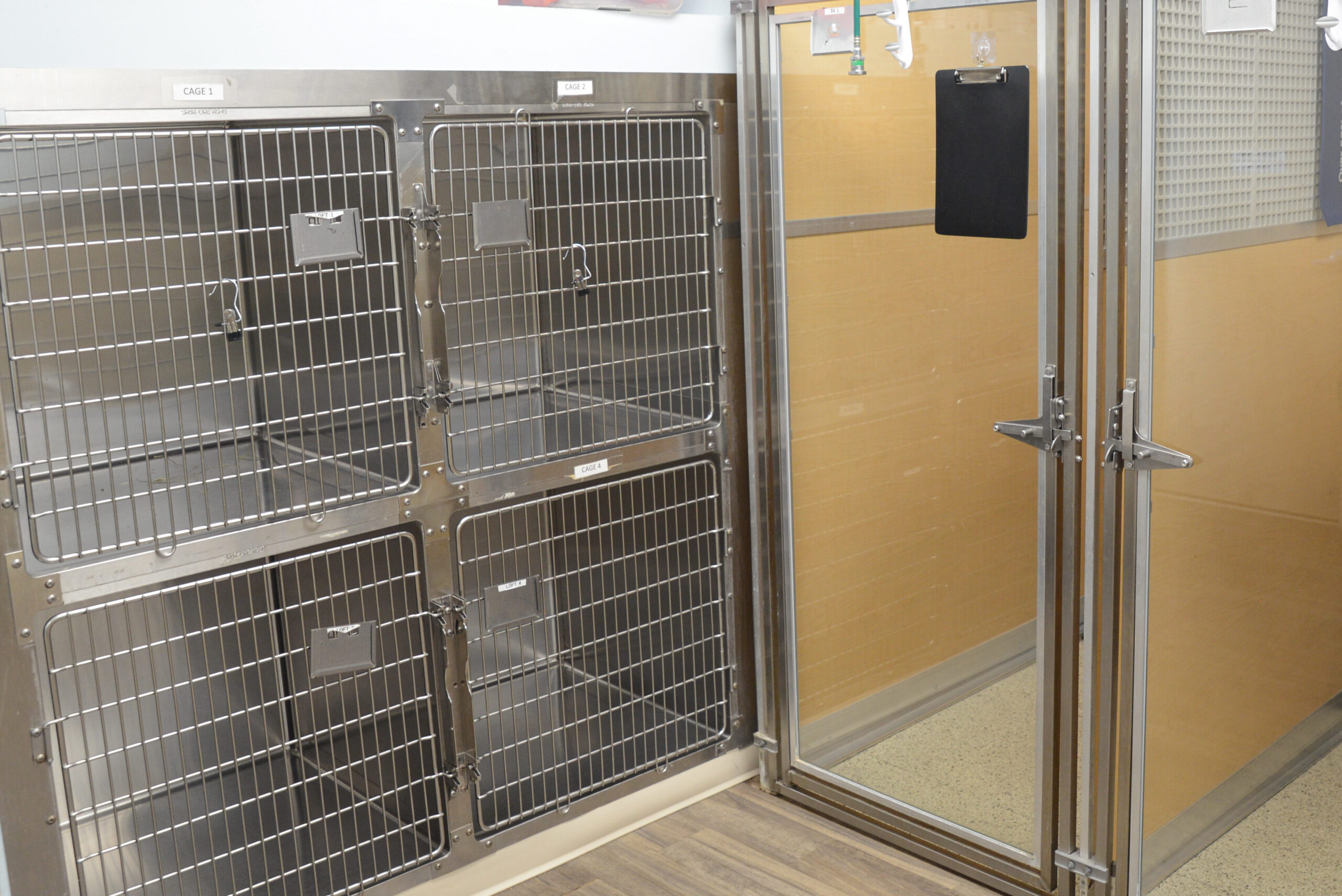
After surgery, your pet is returned to their kennel or kennel run for recovery. They are kept warm with heating devices if needed and snuggled into plenty of soft blankets while being closely monitored. Our surgery recovery suite features dimmable lighting and calming pet music to create a peaceful, low-stress environment as they wake up from anesthesia.
Heading Home
Once your pet is fully awake, we take them outside for a potty break, offer fresh water, and provide a light snack if appropriate. When they’re alert, comfortable, and acting like themselves again, they’re ready to head home.
At discharge, your pet will go home with their e-collar (if needed), post-operative pain medications, and detailed home-care instructions. Throughout their entire stay, your pet is treated like royalty — with frequent outside breaks, fresh water and food, cozy bedding, and an endless amount of love from our team.
Did You Know?
Minnesota Ticks Carry More Than Just Lyme Disease
For a long time, when you thought about ticks, you probably thought only of Lyme disease. Unfortunately, changes in climate and terrain have introduced new tick species—and with them, new diseases. The good news is there are many preventative measures you can take to protect your pets.
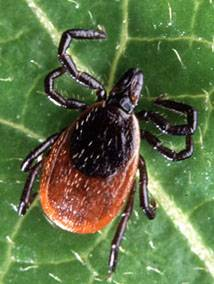
Minnesota is home to about a dozen different tick species. Fortunately, only three of those are known to carry disease. The American dog tick, commonly called the wood tick, is the most common species in our state. This tick can transmit Rocky Mountain spotted fever and tularemia—though it’s rare to find one that actually carries these diseases.
Next, we have the blacklegged tick, better known as the deer tick. This is the species most people associate with tick-borne illness, as it spreads both Lyme disease and anaplasmosis. Finally, Minnesota is also home to the Lone Star tick, which can transmit tularemia and ehrlichiosis. These persistent parasites can cause serious illness in both pets and people, making prevention especially important.
Ticks live, on average, two to three years. They must feed on blood to survive. In their first year, they prefer smaller mammals such as rodents or birds—often picking up disease-causing organisms that make them infectious for life. As they mature, they move on to larger mammals like pets, deer, and humans. A tick typically feeds for three to five days on a single host, but it can transmit disease in as little as 24 hours. Once full, it drops off and searches for its next host.
In Minnesota, ticks are most active from early spring through late fall. Even during winter, if temperatures rise above freezing or snow cover is light, ticks may still be active and searching for hosts. Before the first snowfall, female ticks lay hundreds to thousands of eggs, preparing the next generation for spring.
At ZimmVet, we see tick-borne diseases every day—whether as an incidental finding on annual lab screenings or in patients showing symptoms. We routinely diagnose Lyme disease, ehrlichiosis, and anaplasmosis. Symptoms can vary widely and may include muscle or joint pain (causing limping, stiffness, or lethargy), loss of appetite, high fever, and even bleeding disorders. Once the disease enters the body, it begins attacking your pet from the inside out.
Treatment depends on the severity of infection. Some pets require hospitalization with IV fluids, antibiotics, and round-the-clock veterinary care. Others can recover at home with prescribed medications and rest. Regardless, these diseases are painful, can be costly to treat, and are far easier to prevent than to cure.

Thankfully, prevention is simple. At ZimmVet, we carry Simparica Trio®, a once-monthly oral medication proven to prevent heartworm, intestinal parasites, fleas, ticks, and Lyme disease transmission. When paired with the annual Lyme vaccine, your pet has excellent protection against tick-borne infections.
Year-round prevention is the best way to keep your pet safe. With consistent protection, your pet won’t be an easy target for the next hungry tick!
Add Years to Your Pet’s Life -By Dr. Maria Krenz, DVM
Advances in medical technology and preventative care are allowing pets to live longer, happier lives. It is not uncommon for cats to reach 20 plus years of age, and small dogs to live 14-16 years. More often pets are seen as a family member and people are looking for ways to spend as much time as possible with their beloved pets. Owners can influence their pet’s lifespan and quality of life with a few simple care guidelines.
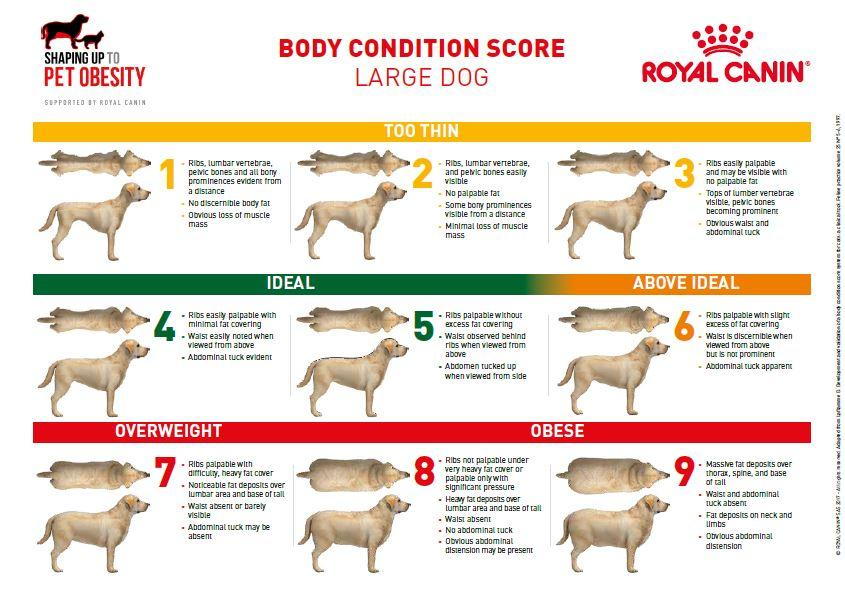
Ideal Weight-Add 2 Years of Pet Life:
Extensive research has been performed to evaluate the effects of obesity on lifespan and medical conditions, such as arthritis. Data shows that an ideal weight pet will live on average two years longer as compared to its obese littermate. Since pet owner’s control their cat or dog’s feedings, lifespan is directly influenced by an owner’s ability to regulate calories and provide adequate exercise.
There are many resources available for pet owners to help their pet’s lose weight. The first step is to schedule an appointment with your veterinarian to set a goal weight for your pet, calculate their calories needed for safe weight loss and create a weight loss plan.
There are many tools available to help pet owners achieve their pet’s weight loss goals. Talk to your veterinarian about what works best for your pet.
Regular Home and Professional dental Care-Add 4 years of Pet Life:
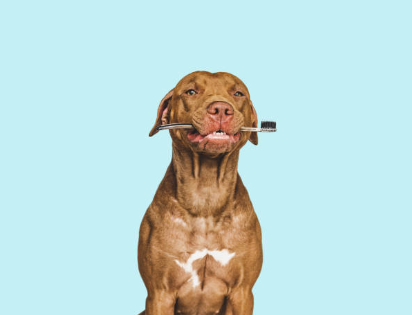
Regular oral care and keeping a pet’s mouth healthy has been documented to add 4 years to their lifespan. Dental disease causes more than just oral pain and infection; it also impacts your pet’s organs, such as heart, liver and kidneys. Daily home dental care with products approved by the VOHC (Veterinary Oral health Council), will help keep your pet’s mouth healthy. This can include daily brushing, using a chew or water additive. Besides home care, pets also need professional dental cleanings, just like humans who go to the dentist. Your veterinarian will examine your pet’s mouth during their wellness exam and indicate when a dental cleaning is necessary.
Regular Veterinary Preventative Care:
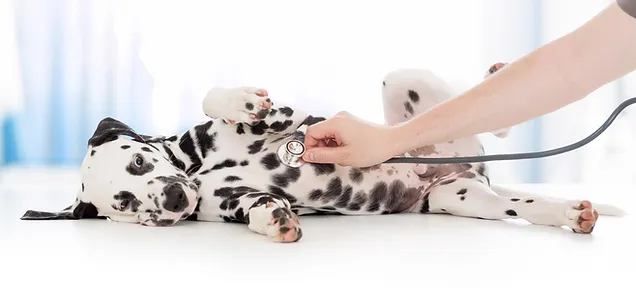
Your veterinarian is available for more than just taking care of sick pets, he or she is your pet’s partner in preventative medicine. Yearly exams for pets under 7 years of age and twice yearly exams for pets over 7 years of age can identify problems before they become severe. Part of the wellness visit should include bloodwork to screen major organ functions such as your pet’s liver and kidneys. Any program to keep your pet healthy will include administering appropriate vaccinations, deworming and using products to prevent common illnesses such as Lyme disease.
Disclaimer: This written content is meant to be educational and is not medical advice. Always consult a veterinarian about medical advice for your pet.
National Back-to-School Month – For Your Dog!
As the summer starts to come to an end, many families are preparing for going back to school as apart of National Back-School Month. But many people forget that other members of their family can also go back to school – the dogs! There are many reasons to put your dog through obedience training. As you keep reading, we will go through some of the biggest ones.
Building Trust Through Training
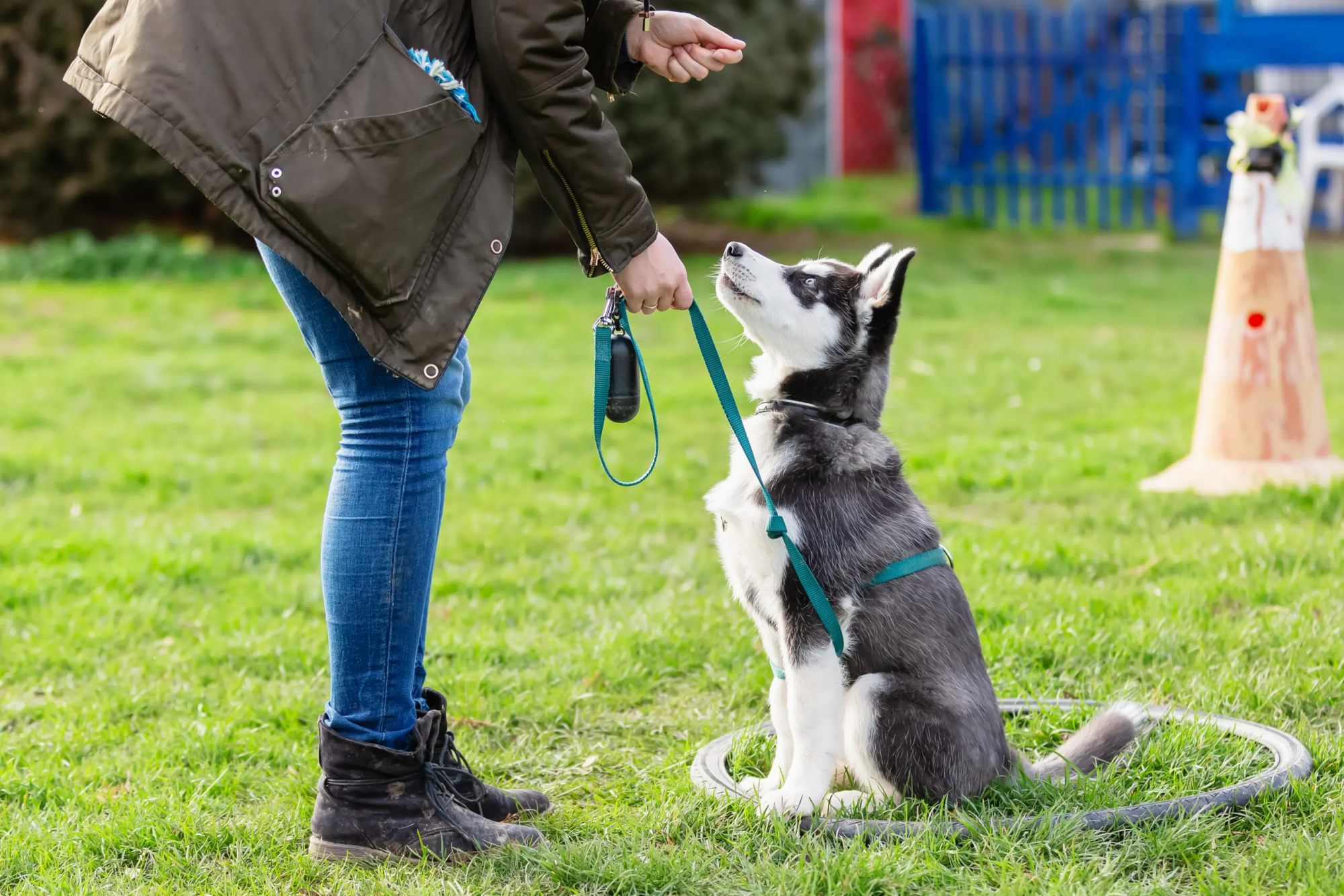
When you attend classes with your dog, the bond between you can grow stronger. The dog will begin to look to you for guidance on what to do. You, in turn, will grow to understand more about what your dogs behaviors will be, creating boundaries for them to follow, and knowing they will listen to your commands.
Make Life Easier
Obedience classes help to address negative behaviors in dogs. Whether they are jumping on your friends when they come over, or they have destructive behaviors – training can help. You can curb the negative behaviors and gain control. Additionally, regular training sessions can help stimulate your dog mentally and physically. This, in turn, can keep them from growing bored, and looking for other, more negative outlets like chewing up your couch cushion!
Communication With Your Dog
Training your dog gives you the opportunities to get to know them better. You can learn more about their personality, and how to understand them. In turn, your dog can learn the cues you are giving, and understand the behaviors you are expecting. It can also help your dog to come out of their shell. Positive reinforcement during training can encourage your dog to interact more with not only you, but the environment around them. This can also lead to a higher level of comfort when introducing new experiences to your dog!
Every Dog is Unique
Every training course is not going to fit with every dog. Some may be done to improve specific behaviors. Or, you may attend a course designed for your dog’s specific breed and their needs. If you have a dog that has been bred to dig, they may be digging your yard up. However, you can work specifically with a trainer to address this issue, and train your dog to use a specific outlet for digging – like a sandbox!
There is also a choice between group trainings and one-on-one trainings for you and your dog. Group sessions are typically a course you attend with your dog, training alongside other humans and dogs. This type of training will normally follow a specific curriculum for the training that is designed to cover a variety of tricks and behaviors.
One-on-one training is often used to address specific behaviors, or for dogs that have behavior and aggression issues when exposed to other dogs.
Take the time to look into training for you and your pup today! You can find local classes by checking out your local PetSmart Training Courses, or you can check out a variety of trainings offered by the Animal Humane Society. For tips on training with a brand new puppy, and how to start, you can check out our blog Training Talk: Bringing Home a New Puppy!
Disclaimer: This written content is meant to be educational and is not medical advice. Always consult a veterinarian about medical advice for your pet.
Microchips: Why do They Matter?
Microchips are becoming more and more common. You may have been asked by your veterinary team about microchipping your cat or dog last time you visited. But you might be asking – why? There are a number of reasons to get your pets microchipped. Keep reading to learn more!
Microchips Help Lost Pets get Home
Accidents happen. In this case, we are referring to a cat who slips past you to get outside, or a dog who who gets off their leash. You might see your pet disappear down the road. Even if you begin looking for them immediately, you may not find them. They may even be found by someone else before you.
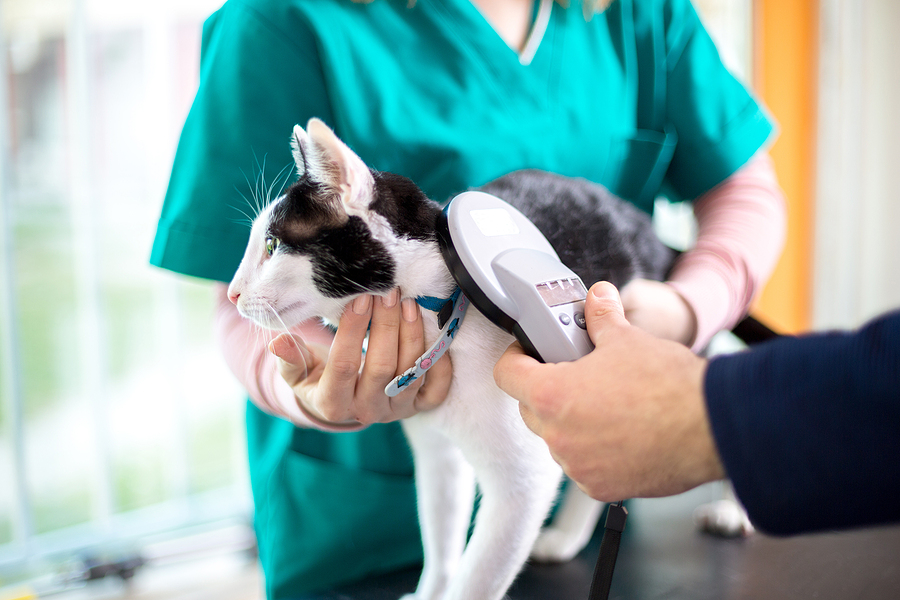
This is where a microchip comes in! If your pet is microchipped, then they can be checked by an animal shelter or veterinarian and identified. Microchips hold your contact information, and some providers even send out lost pet notifications on your behalf. Microchips make it more likely to have your lost pet come home. In fact, the American Veterinary Medical Association references a study of over 7,700 shelter pets, which found that microchips make you more likely to be reunited with your pet! Dogs with microchips were returned to their owners at double the rate of dogs without microchips. For cats, the return rate was even more dramatic with microchips, at over nineteen times more likely to be returned to owners if they had one.
Do Microchips Harm Pets?
Microchips are able to be placed during a routine visit with your veterinarian. They are placed using a hypodermic needle, and don’t hurt any more than normal vaccines and injected medications for your pet. If your pet is already going under anesthesia, such as for neutering or spaying, the microchip can be placed at that time as well.
What about your privacy?
Don’t worry. While microchips store your contact information, it is only used in the event that your pet is lost and someone scans it to then contact you. Some manufacturers offer additional communication, such as newsletters or lost pet alerts, but you can typically opt out of these. Overall, the only information found in the microchip database is the information you choose to provide. It is important to make sure you register the microchip so it will have correct information to reach out and contact you.
Do Microchips replace ID and Rabies tags?
The simple answer is: No! While microchips are great as a permanent method to identify your pet and provide your contact information, nothing can fully replace a collar with tags on it. Tags on a collar are usually the quickest way to identify a pet and return it to it’s owner. Additionally, the rabies tag should always be displayed on your pets collar. It allows people to confirm your pet is vaccinated against the dangerous illness. Plus, the rabies tag numbers can be another way to trace your pets identity and return them to you.
For additional information on what to do in the event of a lost pet, you can check out our blog covering lost pet resources.
Disclaimer: This written content is meant to be educational and is not medical advice. Always consult a veterinarian about medical advice for your pet.
Camp Fire Safety Tips
We are in the peak of summer, which means trips to the beach and trips to the campground. Bringing your dog along to the campground with you is always fun. But there is a big safety hazard when your dog comes with you: the camp fire pit. Here are some things you can do to keep your pet safe during your camping trip.

Camp Fire Pit Training
The first step in camp fire safety is to teach your dog that the fire pit is not a place they are allowed. By teaching them to steer clear of the pit, they are less likely to approach it. Even when the fire pit is empty and unlit, your dog should not be allowed to touch it. There are many tempting things that go into a fire pit that a dog might want, especially if your dog loves playing with sticks! Your kindling and large sticks placed in the pit may be attractive toys to your dog. Setting a clear, off-limits boundary can prevent them from approaching to take the sticks, especially when the fire is lit!
Food at the Camp Fire
One of the best parts about camping is cooking over the open flames of a fire pit. Cooking can be a big temptation for dogs to get close to the fire. Avoid giving them pieces of food while cooking or sitting around the camp fire. Doing so cause the dog to feel comfortable approaching the fire with or without you. The same goes for tossing food scraps in the fire. The smells of good, especially anything left over after the fire is put out, can attract your dog. They may dig in the pit to try and get the food, which could be covered in chemicals from other burning trash nearby. Worse still, there may be hot embers buried in the ashes that could burn and injure your dog.
Stay Aware of Your Dogs Presence
Many pets are able to roam around the campsite freely on long leashes, which isn’t a bad thing. It lets them stretch their legs and enjoy the trip as much as you are. Being close to the fire is dangerous though, even if it’s a few feet away. A gust of wind can pick up embers and drop then in the area surrounding the fire. If your dog is too close, these embers could land on them and hurt them. The wind can also carry the smoke to your dog. If you’ve had camp fire in your face before, you know it can burn the eyes and make it difficult to breath. The same thing happens to dogs. Some exposure is inevitable, but you should be aware off the signs that your dogs has breathed in too much.
Symptoms to watch for include:
- coughing
- wheezing
- loud or difficult breathing
- disorientation
- fatigue
- reduced appetited or thirst
- red, watering, or irritated eyes
To much smoke can cause these symptoms in senior and younger pets commonly. However, the most at-risk breeds are brachycephalic breeds, or breeds with scrunched noses. Try to keep your dog upwind of the fire whenever possible to avoid possible complications.
Equipment Hazards
Like at home, you will need to be smart about the storage of your camp fire equipment. It’s important to be aware of and properly store anything that gets hot, is sharp, or toxic chemicals for the fire when not in use. Be sure to keep sharp objects, like axes, put away after use. Keep items hot from being placed into the fire, such as cooking equipment, out of reach of your dog while they cool. When it comes to lighter fluid, put it away after you get a fire going to prevent your dog from getting exposed to it.
For information on safety for your pets with other fires, such as home or wild fires, check out this article by the ASPCA. For some summer treat ideas for your dog, check out our blog post here.
Disclaimer: This written content is meant to be educational and is not medical advice. Always consult a veterinarian about medical advice for your pet.
