

Search Results for ‘preventative’
Flea and Tick Preventatives
Written by Valerie – ZimmVet CSR Lead

Have you ever wondered why your pets’ Veterinarian recommends administering flea and tick preventatives over winter?
There is a common misconception that if there is snow on the ground and temperatures are cooler that fleas and ticks are not out. While it is true that flea and tick activity may slow during the winter months, they are able to survive any time the temperature is above freezing, even during the winter months when it is snowy as long as they have a host such as an animal or person.
Ticks carry various diseases that have the potential of being very dangerous or even fatal for animals and humans. These diseases include but are not limited to Lyme disease, Anaplasmosis, Ehrlichiosis, Rocky Mountain Spotted Fever and Powassan virus disease. If these diseases are contracted and are undetected or remain untreated, they can have long-term adverse effects on the body.
Fleas are very active in the Fall months as temperatures begin to drop. Fleas survive by biting a host and taking a bloodmeal from them. Oftentimes they seek out our furry counterparts as a warm host to survive the fall months which can result on your pet bringing them into your home, where they can survive throughout the winter. It can be very difficult to clear your home of fleas once an infestation takes place as the lifecycle is very complex and they lay large amounts of eggs rapidly. The only way to rid your home of a flea infestation is by vacuuming daily, washing of blankets and bedding in hot water, brushing your pet and treating all fibrous surfaces while treating your pet and administering a preventative. It can take months before your home is free from these pesky biting parasites. Fleas can cause flea bite dermatitis in pets and people which is a reaction to the protein in the saliva from the flea bite and is extremely itchy.
It’s always easier to prevent rather than treat diseases.
The Importance of Preventatives Year Round (Even in Minnesota!)
By: Dr. Leslie Reed, Veterinarian at ZimmVet
WHY does my dog need to stay on heartworm, flea & tick prevention in the winter?? There’s no bugs out!
Contrary to popular belief, fleas, ticks, mosquitos and other external parasites can remain active YEAR-ROUND and can negatively affect our pets. Here’s why it’s recommended you keep your furry family members on their preventatives at all times.
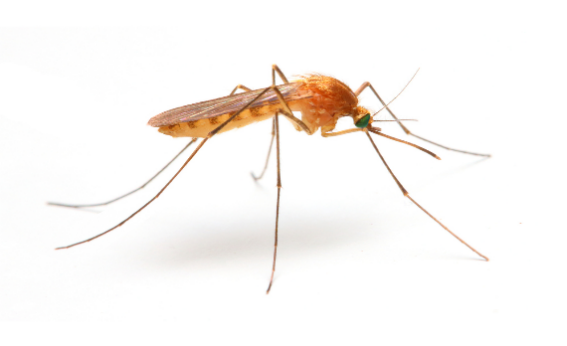
Heartworm Prevention
Even though mosquitoes are cold-blooded and typically become inactive at temps <50 degrees F, they can find and hide within a warm area (ie your house) to lay their eggs and remain active even throughout the cold winter months. Furthermore, fluctuating temperatures and those occasional warm days where temps suddenly rise may disturb a mosquito’s hibernation, sending them off for a quick meal on your pet.
It takes only 1 mosquito and 1 missed dose of prevention to contract heartworm disease.
Heartworm prevention year-round is much cheaper (and much more pleasant) for your pet than heartworm treatment, which can span several months and is typically a series of deep, rather painful, muscle injections with side effects including swelling, discomfort, and inappetence.
Oral heartworm preventatives also address intestinal parasites either through the active ingredient or an additional added ingredient. Some combat fleas as well. Intestinal parasites can be picked up by your pet all year long by consuming feces of other dogs or wildlife which may be intentional (yuck!) or non-intentional (licking of paws with fecal matter on them).
Flea and Tick Prevention
Fleas are the most common external parasite of dogs and cats and have the ability to transmit disease to both pets AND their humans. Most pets acquire fleas not from contact from another infested animal, but from an infested environment.
When a pet comes into your home with fleas, which can make the pet itchy, eggs can fall into your carpet or bedding as the pet scratches, along with flea dirt (flea feces). The eggs hatch to larvae, which develop by feeding on the flea dirt. The larvae then spin a cocoon in fibers such as carpet or bedding to form a pupae, where a live flea will eventually hatch and then latch on to a warm body (cat, dog, human). Pupae are resistant to drying, freezing, and insecticides and can remain dormant for months. The entire flea life cycle can repeat itself every 3 weeks.
Not all pets with fleas will itch, only those allergic to the flea bites. So just monitoring for itching is not sufficient.
Heavy flea infestations can lead to severe anemia, which can be life threatening (pets at highest risk are young kittens and puppies being raised outdoors, as well as elderly cats going outdoors).
Use flea control products all year round so you don’t get caught with a surprise heavy flea burden in the spring. Home decontamination is NOT a fun process.
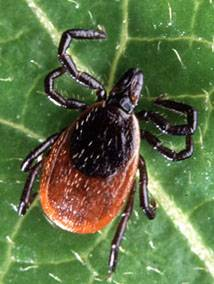
Ticks typically remain dormant in the winter, but can awaken during rising temps, even at 40-50 degree F, and crawl off to find a warm body to jump on to.
It takes a single tick feeding for 48 hours to transmit Lyme disease. Lyme disease can cause joint soreness/stiffness, fever, anorexia, lethargy, and in advanced cases, acute kidney failure.
Other common tick-borne diseases in Minnesota include Ehrlichiosis and Anaplasmosis, which can cause similar symptoms as Lyme disease, as well as bleeding disorders secondary to destruction of platelets. These diseases may be transmitted to your pet if a tick is attached for 24 hours or possibly even less!
Again, prevention is typically much cheaper and much more pleasant for your pet!

Get protected!
There are many options for heartworm, flea, and tick preventatives (even some all-in-one products), so check in with your veterinarian to determine which would be the best option for your pet!
Canine Preventative Overview
By Dr. Maria Krenz, DVM – ZimmVet-763-856-4848
Canine Preventative Product Overview
Veterinary medical technology continues to take leaps and bounds to provide safe and effective products for pets. There are two main categories of preventative products to help keep your pet parasite-free and healthy, which include flea and tick as well as heartworm. Consulting with your veterinarian is the first step to making sure you are picking the right preventative product for your pet.
Flea & Tick Prevention
Flea and tick control for your pet is critical in Minnesota because of our high rate of tick-borne diseases such and lyme disease and anaplasmosis. Not only can these diseases cause severe joint pain, but they can also cause irreversible damage to the kidneys and severe bleeding problems. Fleas can cause severe itching, which can also lead to other parasite and blood problems. Once in your house, it can take up to three months to get rid of fleas.
Oral: Flea and tick products administered orally have been available for years and have proven to be very effective and safe. These products range from one-month products to three-month products such as Bravecto. These products also have the advantage of killing skin mites.
Topicals: There are many topical products on the market and range from older harsh chemicals with lower effectiveness to safer more effective products. Generic products, such as many of the products available at big box and pet stores, are not as effect as the name brand products available from your veterinarian. One safe and effective product on the market for years is Frontline. There are now various versions such as Frontline Plus with faster kill rates and other benefits. Frontline works by spreading on the oils on the skin and does not go into the body. Frontline is waterproof.
Collars: Flea and tick collars have been a low-cost option on the market a long time. With this product, it is important to follow the label directions on how tight the collar is to make sure it is working. Collars are typically not waterproof. This means if your pet has a bath or swims they may not be protected for days after. Depending on the ingredients some can be irritating, and they can cause local skin reactions. Dog collars containing permethrin are toxic to cats. A newer collar that is safer is the Seresto collar. At ZimmVet, we do not recommend collars as a first line product.
Heartworm Prevention and Dewormers
Monthly heartworm prevention has been the mainstay of preventing this severe disease. These products also come with the benefit of deworming for common intestinal parasites, which are a year-round problem. All heartworm preventative products are prescription items and can only be purchased with a prescription from your veterinarian. If you are buying a product without a prescription, it is likely counterfeit or not a heartworm prevention medication. Oral products are very safe and have been on the market for a long time. Common products are Interceptor and Heartgard. These are given monthly.
Combination Products for Flea, Tick and Heartworm
Combination products are now available to prevent heartworm as well as flea and tick protection in one convenient monthly dosing. Just like with most heartworm medications, these products are also a general dewormer.
Oral: Simparica Trio is an example of an all-in-one monthly oral chewable product. This provides great convenience for owners to only have to give one product. This product is a cost savings for bigger breeds as it goes up to 132 lbs. without having to buy additional size categories. This product has been gaining in popularity since gaining FDA approval in 2020. It has combined product technologies which have already been on the market for years.
Topical: Revolution is an example of an all-in-one monthly topical product. Revolution only has a label for killing the dog tick, while other common flea and tick products have labeling for 4-5 different tick types.
Fleas, ticks and heartworm disease are all very preventable pet illnesses with several options on the market to provide you with the best options for you and your pet. Your veterinarian will recommend the best products for your pet and have cost saving coupons and manufacture rebates not available elsewhere.
Disclaimer: This written content is meant to be educational and is not medical advice. Always consult a veterinarian about medical advice for your pet.
April: Prevention of Lyme Disease in Dogs Month
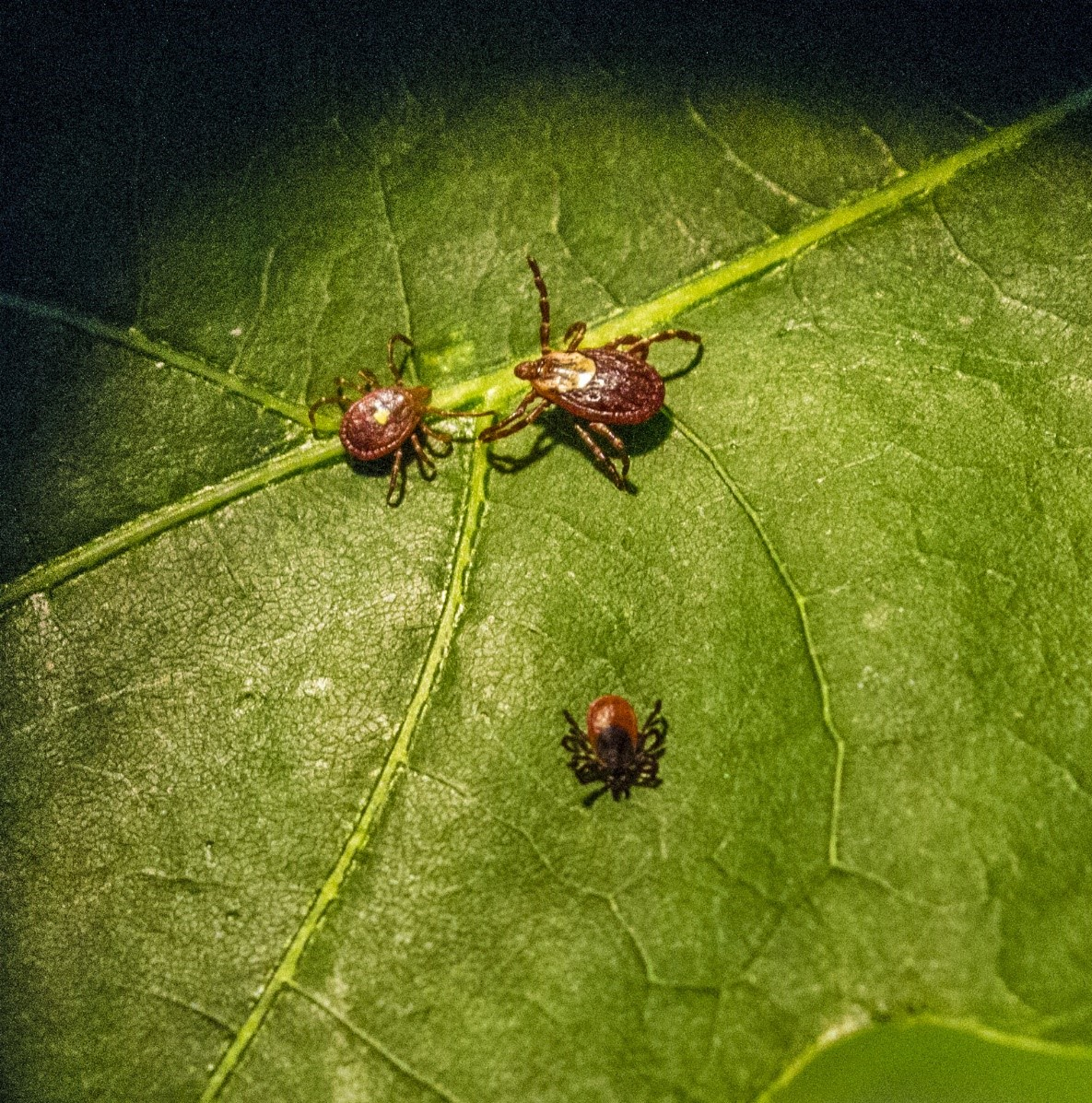
As temperatures rise, we will see more and more activity from bugs and creepy crawlies. This means your dog’s risk of contracting preventable illnesses will increase too! Lyme, and several other illnesses, are carried by ticks and spread through their bite. While ticks are out year round, the spring and summer see a significant increase in their numbers. That is why April is a great time to discuss the hazards of Lyme, and ways to protect your pet!
Where Do Dogs Get Lyme?
Lyme Disease in Minnesota is a well known risk for both people and dogs alike. According to The Companion Animal Parasite Council (CAPC), there have been over 109 confirmed cases of Lyme disease in Sherburne County alone, and 4,189 cases across Minnesota in the first few months of 2024.
The risk is very present, and those numbers are, unfortunately, expected to rise. Ticks are typically found in environments with heavy vegetation, like forests or grassy areas, like when you go hiking or camping. However, they can also be found in your own back yards. They are also common near bodies of water or in marshy areas.
Symptoms of Lyme Disease and Treatment
If you are worried your pet is getting ill, here are some common symptoms associated with lyme:
- Limping that starts and stops again
- Less interest in eating or complete loss of appetite
- Decreased activity, laying around often
- Swollen lymph nodes
- Painful and swollen joints
- Fever
Call your veterinarian right away to discuss the symptoms and risk factors your pet has for Lyme, including their exposure to ticks and their symptoms. To diagnose your pet, the veterinarian will want to run lab tests to rule out other illnesses and to confirm the Lyme diagnosis.
Once diagnosed, they will begin a course of antibiotics to fight back against the illness. This can take a month or longer to resolve itself.
Preventing Lyme Disease
The best way to avoid your pet getting sick is to be proactive in protecting them. A reliable tick-preventative product recommended by your veterinarian, as well as vaccination, are the strongest protections for your dog.
Additionally, you can also:
- Mow your grass, trim bushes, and remove unnecessary brush piles to make your yard less friendly to ticks.
- Inspect your pet when coming in from outdoor activities. Check their bodies over, including particularly tick-favored spots such as ears, legs, tails, and under their collar. Remove ticks you find immediately, wrapping them in tape or flushing them to dispose of them.
If you do find a tick on you or your pet, be sure to get checked for Lyme disease to be on the safe side. It can take 3 to 4 weeks before symptoms start.
Talk to your veterinarian today about prevention options.
To learn more about Lyme Disease, you can also visit another of our blogs on Lyme disease Prevention.
Disclaimer: This written content is meant to be educational and is not medical advice. Always consult a veterinarian about medical advice for your pet.
Get Your Dog Ready for Hunting Season

By Dr. Maria Krenz, DVM – ZimmVet 763-856-4848
Many people enjoy hunting as a hobby with their dogs. A little preparation can make the time fun for you and your dog. It’s time to get your dog ready for hunting season
Flea & Tick Prevention
Fall is peak time for transmission of Lyme disease from adult ticks. It is also when many pets become infested with fleas. There are a variety of products on the market including topical and oral options. Talk to your veterinarian about what product is best for you pet. Check out this blog post from ZimmVet on preventatives.
Internal Parasites
Hunting dogs are at higher risk to contract roundworms and hookworms from the environment. These parasites can then be passed to people. The University of Minnesota has a great article on internal parasites. Heartworm prevention, such as Sentinel or Simparica Trio®, deworms for these parasites and should be given once a month.
Vaccinations
Make sure your pet is current on vaccinations such as Rabies, Lyme and Leptospirosis. Hunting dogs are at increased risk of these easily preventable diseases. Also, if your dog is going to be hunting with a group of other dogs, its distemper combination, Bordetella and Influenza vaccinations should be up-to-date.
Exercise
Just like a person, a dog that is not properly conditioned before working hard can suffer from performance injuries such as pulled muscles, sore joints and strained or torn ligaments. Gradually increase your pet’s activity over a couple weeks prior to the start of hunting. In addition, be sure to allow your pet time to rest while hunting.
Food
Overweight pets are at an increased risk for performance injuries as well as exhaustion. Get your dog ready for hunting season by making sure they are an ideal weight prior to the start of hunting season. Weight loss occurs safely over several months when a pet is more than a few pounds overweight. Contact your veterinarian to make a weight loss plan for your pet. During hunting, a dog’s calorie intake increased. Feeding small frequent meals can help your pet keep up to the demands of hunting.
Paws
Many dogs can wear down their paw pads and form painful ulcerations. Keep protective boots on hand for your dog to wear. Dogs can suffer from cuts and debris in their eyes, especially in grass and wooded areas. Keep an eye saline solution with you, along with some bandaging material to stop bleeding until you can get to your veterinarian. Your veterinarian can help you put together a first aid kit for your pet or you can purchase a premade kit.
Senior Hunters
Senior dogs can often remain active and healthy with the help of your veterinarian. Older pets benefit from a daily glucosamine supplement such as Dasuquin. One month before hunting, start your dog on this supplement if you don’t already have them on it year round. Senior dogs do well on pet pain medication started a day prior to the hunt and continued daily. The goal is to control the pain before it builds up. If your pet is already on a daily pain medication your veterinarian can prescribe additional medications to help during hunting. Contact your veterinarian to make a plan to keep your senior hunter comfortable.
Disclaimer: This written content is meant to be educational and is not medical advice. Always consult a veterinarian about medical advice for your pet.
Improving your Pets Lifespan
By Dr. Maria Krenz, DVM – Zimmvet (763)856-4848

Advances in medical technology and preventative care are allowing pets to live longer, happier lives. It is not uncommon for cats to reach 20 plus years of age, and small dogs to live 14-16 years. More often pets are seen as a family member and people are looking for ways to spend as much time as possible with their beloved pets. Owners can improve their pet’s lifespan and quality of life with a few simple care guidelines. Improving your pets lifespan.
Weight Management – Add 2 years of life!?
Extensive research has been performed to evaluate the effects of obesity on lifespan and medical conditions, such as arthritis. Data shows that an ideal weight pet will live on average two years longer as compared to its obese littermate. Since pet owner’s control their cat or dog’s feedings, lifespan is directly influenced by an owner’s ability to regulate calories and provide adequate exercise.
There are many resources available for pet owners to help their pet’s lose weight. The first step is to schedule an appointment with your veterinarian to set a goal weight for your pet, calculate their calories needed for safe weight loss and create a weight loss plan.
There are many tools available to help pet owners achieve their pet’s weight loss goals. Talk to your veterinarian about what works best for your pet.
Regular Home and Professional dental Care-Add 4 years of Pet Life
Dental Care – Improving lifespan by up to 4 years!
Regular oral care and keeping a pet’s mouth healthy has been documented to add 4 years to their lifespan. Dental disease causes more than just oral pain and infection; it also impacts your pet’s organs, such as heart, liver and kidneys. Daily home dental care with products approved by the VOHC (Veterinary Oral health Council), will help keep your pet’s mouth healthy. This can include daily brushing, using a chew or water additive. Besides home care, pets also need professional dental cleanings, just like humans who go to the dentist. Your veterinarian will examine your pet’s mouth during their wellness exam and indicate when a dental cleaning is necessary.
Preventative Care/Annual Wellness Visits
Your veterinarian is available for more than just taking care of sick pets, he or she is your pet’s partner in preventative medicine. Yearly exams for pets under 7 years of age and twice yearly exams for pets over 7 years of age can identify problems before they become severe. Part of the wellness visit should include bloodwork to screen major organ functions such as your pet’s liver and kidneys. Any program to keep your pet healthy will include administering appropriate vaccinations, deworming and using products to prevent common illnesses such as Lyme disease.
For more information on dental cleaning please visit https://vcahospitals.com/know-your-pet/dental-cleaning-in-dogs. Interested in learning more able pet Obesity? Please visit our other blog post at https://www.zimmvet.com/blog/pet-obesity/

Disclaimer: This written content is meant to be educational and is not medical advice. Always consult a veterinarian about medical advice for your pet.
Parasites, Dogs & Cats and Kids
By: Kristin Rinkel, CVT at ZimmVet
Hookworms and roundworms can be harbored by your dog or cat and transmitted to children who are living in homes with pets. In some cases, these parasites can cause blindness in humans. It is thought that 30 – 50 percent of dogs and cats carry gastrointestinal (GI) parasites and that 1 to 3 million people in the U.S. have infections from the same parasites carried by pets. Children, the elderly and immunocompromised people are at high risk.
Know the facts: Don’t expose your children!
- Dogs get infected with hookworms and roundworms by walking places where other dogs have defecated. The microscopic roundworm eggs and hookworm larvae end up on your dog’s feet. Your dog then licks his feet and infects him or herself with these GI parasites. Three weeks later, your dog is shedding hookworm eggs and larvae from his GI tract. If your dog licks his anus and then licks your child, or if your child pets your dog, he or she can become infected with these parasites.
- Dogs can get ticks that spread Lyme disease, anaplasmosis, Rocky Mountain spotted fever, ehrlichiosis, and tularemia, which can affect people if the ticks detach from the dog and attach themselves to your child. This could be a risk factor for your children if the family dog or cat sleeps in their bed.
- Cats get infected with hookworms and tapeworms by hunting prey. Even if your cat lives indoors, the ingestion of one house mouse can expose your cat to GI parasites. Cats with a flea infestation can spread cat scratch fever to children, elderly people, or immunocompromised (AIDS, cancer patients, organ transplant recipients) people.
How Can You Prevent The Risk Of Spreading Parasites To Your Children?
- Keep your dog on monthly heartworm preventative all year. This medication helps to prevent hookworms and roundworms in your dog. Keep your dog on topical flea and tick control all year.
- Scoop the yard where your dog defecates at least weekly, ideally daily, as worm eggs and larvae are found in stool and can contaminate the environment.
- Bring your pet’s stool sample to your veterinarian at least twice per year and ideally four times per year. You do not have to bring your pet into the veterinary hospital for this service. The stool should be fresh. Many veterinarians will provide a special cup that allows specimen collection without touching the stool.
- Keep your cat on heartworm prevention once per month all year. This medication eliminates hookworms that could be potentially spread to humans in the household. It also kills fleas, which can be culprits in spreading cat scratch disease (cat scratch fever).
- Teach your children to wash their hands before eating, especially if they have recently handled their pet.
Tick Borne Disease- What you need to know
By: Dr. Soderberg, DVM ZimmVet

What tick borne disease is in my area?
Lyme disease (Borrelia burgdorferi ) is a bacteria transmitted primarily by the deer tick (tiny black legged tick) that can infect both dogs and people alike. Anaplasmosis (Anaplasma phagocytophilum) is a bacteria also transmitted through bites of the deer tick as well as the western black-legged tick and brown dog tick. Ehrlichiosis (Ehrlichia canis) is a tick-borne infectious disease of dogs, usually carried by the brown dog tick. The organism responsible for this disease is a rickettsial organism which is similar to bacteria.
How do I prevent tick borne disease?
Tick disease can be difficult to detect and can cause serious and recurring health problems if left undetected and untreated. Therefore, it is best to prevent infection by taking appropriate measures to prevent tick bites and, for dogs, vaccinating against lyme disease. Any time the temperature is above 35 degrees Fahrenheit ticks come out to feed. Every month of 2019 in Minnesota there was a day where the temperature was above 35 degrees which means our pets should be on tick preventative every month of the year! There are numerous topical and oral tick preventatives. Please discuss preventatives and the lyme vaccine with your veterinarian to determine the best products for your pet. Your veterinarian’s advice may depend on where you live, your pet’s lifestyle and overall health, and other factors.
What does tick disease look like in my pet?
Some pets will not have any or only minor symptoms when they are infected with a tick disease. Pets infected with Lyme disease may not show any signs for 2-5 months. After that time, typical symptoms include fever, loss of appetite, shifting leg lameness, joint swelling, and decreased activity. Infection with anaplasmosis causes very similar clinical signs as those listed above and usually last for 1 to 7 days. Infection with anaplasmosis can also cause reoccurring thrombocytopenia, a condition in which there is a periodic decrease in platelets (circulating cells that help in the blood clotting process). Clinical disease caused from thrombocytopenia is often mild, but some dogs may develop bruising or bleeding, especially during the early stages of infection when platelet counts may be at their lowest. Ehrlichiosis causes similar signs as anaplasmosis including thrombocytopenia which can last up to four weeks.
How do you diagnose tick borne disease?
Several types of tests to diagnose tick disease are available. Exposure to Anaplasma, Lyme, and Ehrlichia can be detected in your veterinary clinic using a special test kit. Other tests like quantitative titers, ELISA tests, and polymerase chain reaction (PCR)s are available to help your veterinarian determine if active infection is present. These tests are sent to an outside lab. It may also be difficult to diagnose infected dogs during the very early stages of infection as the immune system usually takes two to three weeks to respond to the presence of the organism and develop antibodies required for testing.
How do you treat tick borne disease?
The treatment for tick borne disease is fairly similar across the different infections and usually consists of a 2-4 week treatment with an antibiotic called doxycycline. In the majority of cases, symptoms improve rapidly and the prognosis for clinical recovery is excellent.
Because chronic tick borne disease has not been directly related to clinical disease and because a treatment effective in clearing the organism from an infected animal has not been established, treating clinically healthy, positive testing animals is of questionable benefit and not generally recommended at this time. However, a positive test result in a clinically healthy dog should not be disregarded. At a minimum, positive dogs should have an aggressive tick control program implemented to minimize exposure to ticks. It is clear that co-infection with two or more tick-borne agents is common and that dogs co-infected with multiple tick diseases are nearly two times more likely to develop clinical disease than dogs infected with either one alone.
Can I get tick disease from my pet?
Tick borne disease is not communicable from one animal to another, except through tick bites. However, if you have more than one pet and one is diagnosed with a tick disease, your veterinarian will recommend testing any other pets who may have been exposed to ticks at the same time.
Camping with dogs
By: Valerie Ferguson, Receptionist at ZimmVet

The warm summer months bring many opportunities for camping, and who better to enjoy it with than your fun-loving pup! A successful camping trip starts with planning ahead and packing the right supplies. Although we never want to experience an injury while camping, sometimes it is inevitable and is best handled when we are prepared.
Some of the most important items to bring that most people don’t consider are:
Nail trimmer – have you ever been out in the woods and experienced a broken nail?
Styptic powder – this is very handy to stop bleeding if a nail becomes damaged
Topical bug spray or fly ointment – keeps those pesky insects away from your pet
Extra water – If you are out in the heat or engaging in more activity, your pet will require more water
Bacitracin – A must have for minor scrapes and bug bites
Benadryl (Diphenhydramine) – if your pet has a reaction to a bug bite, it may be helpful to administer Benadryl at the direction of your family veterinarian
Bed – A sleeping pad or bed will keep your pup comfy and dry
Sun block – Not sunblock, dogs don’t wear sunblock silly…something such as an umbrella or a tarp to make a sun block so your pet has a shaded retreat to escape the heat
Be sure to bring enough food, treats, toys and games to keep your pet entertained so they can have a fun vacation too.
Fleas, ticks and mosquitoes are everywhere, especially in the woods – remember to have your pets Heartworm and Flea and Tick preventatives administered prior to going on your adventure.
Never leave your pet unattended in a warm vehicle or tent.
How to keep your cat healthy
By: Laura Scharenbroich ZimmVet Daycare Staff
When was the last time you brought your cat to the veterinarian? Was it within the last year? A couple years ago? Even if your cat appears to not be sick, there are still preventative ways to keep them healthy.

Here are 7 great tips to keeping your cat healthy:
- Groom your Cat
Most cats groom themselves on a regular basis. But you can help your furry friend by brushing or combing. This will help to remove any dead hair so they don’t ingest while self-grooming. This also gives you a chance to notice any changes to the body.
2. Make sure you have enough litter boxes
A good general rule of thumb to go by is one litter box per cat plus one more. So if you have two cats, go with 3 litter boxes. To help encourage good litter box habits, keep the litter boxes clean. Regular cleaning will also help you notice if anything is out of the ordinary.
3. Use a Scratching Post
If your cat’s claws are still intact be sure to supply some form of scratching post. This helps your cat stretch out their muscles and also helps remove old layers from their nails. Scratching is a normal marking behavior and can help with environmental enrichment.
Continue…